Carlsberg Maps Hop Genome to Aid Beer Crops
The open-access research could help breeders develop heat- and drought-resistant varieties with stronger flavor and aroma
2026-06-01
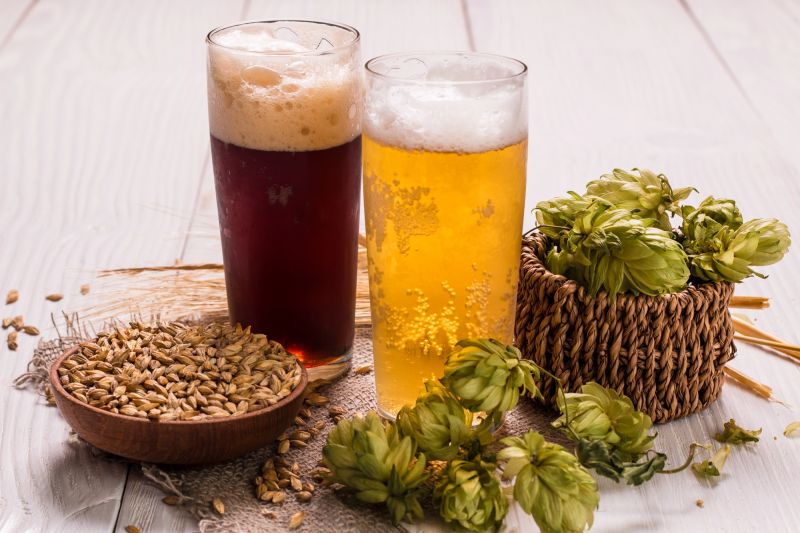
Carlsberg’s research laboratory said on Monday that it has produced the most detailed genetic map of hops yet, a development the company says could help protect beer production from the effects of climate change and speed the breeding of new varieties with stronger flavor and aroma.
The work, published in Nature Communications and shared as open-access research, comes as hop growers in Europe and North America face hotter temperatures, longer droughts and more erratic weather that are already affecting yields and quality. Carlsberg Research Laboratory said the genome map is intended to give scientists, breeders and growers a clearer tool for developing hops that can better withstand those pressures.
Birgitte Skadhauge, vice president and head of the laboratory, said in a statement that climate change is larger than any one company and that sharing the research gives scientists and breeders “tools to protect crops, to innovate, and to help secure the future of beer.” The laboratory said the findings were being made freely available to support faster breeding efforts around the world.
Hops are one of beer’s four traditional ingredients, along with water, barley and yeast. They are also among the hardest brewing crops to study genetically because their genome is large, repetitive and roughly comparable in size to the human genome. Their biology adds another layer of difficulty: only female plants produce the cones used in brewing.
Carlsberg said its scientists created a high-resolution map of all the chromosomes in a commercially important hop variety, capturing both inherited chromosome sets in detail. That level of precision, the company said, makes it easier to see how different genetic lineages contribute to traits brewers care about, including flavor, aroma, resilience and yield.
The laboratory said the new map separates European and North American hop lineages more clearly than previous research had allowed. Ilka Braumann, head of hop development at Carlsberg Research Laboratory, said hops are “genetically far more complex than most people realise” and that the new work gives breeders a clearer path toward better and more resilient varieties.
The practical goal is straightforward: help breeders move faster in a process that often takes more than a decade. Carlsberg said possible uses include developing hops that tolerate heat and drought better, improving crop stability for growers and brewers, shortening breeding timelines and opening up new flavor profiles for beer. The company also said the research could support farming systems that require fewer inputs.
For brewers, the stakes are both agricultural and commercial. Hops shape bitterness, aroma and much of a beer’s identity, so disruptions in supply can affect not only production but also consistency from batch to batch. Climate pressure on hop-growing regions has raised concerns across the industry about whether familiar varieties can remain reliable in coming years.
Founded in 1875 by brewer and philanthropist J.C. Jacobsen, Carlsberg Research Laboratory has long been known for work beyond brewing as well as within it. The laboratory has contributed to major advances in barley and yeast genome research and is widely associated with scientific breakthroughs such as the invention of the pH scale.
Carlsberg said long-term support from the Carlsberg Foundations allows it to pursue research with broader implications for agriculture and food security. With this latest publication, the laboratory said it has strengthened scientific understanding of all three non-water ingredients central to brewing: barley, yeast and hops.
