Russia Tightens Control Over Whisky Distillate Production After 60% Surge
The new law raises capital requirements, expands license revocation grounds and imposes tougher entry rules on spirits producers.
2026-06-26
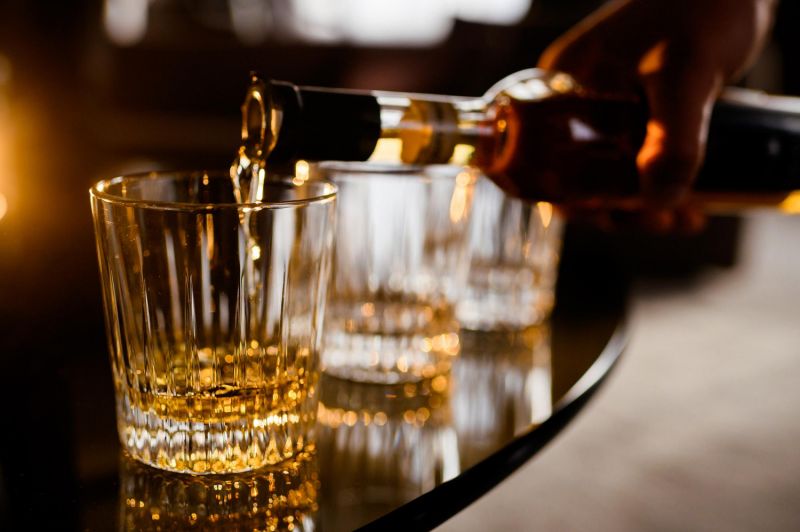
Russia’s lower house of parliament has passed a law that tightens state control over whisky distillate production, extending to that segment rules already applied to ethyl alcohol producers and to companies seeking licenses to produce, store and supply the spirit.
According to the State Duma, the measure amends Russia’s law on state regulation of the production and circulation of ethyl alcohol, alcoholic products and alcohol-containing goods. The new rules will apply not only to whisky distillate producers but also to businesses applying for licenses covering production, storage and supply of produced ethyl alcohol, including whisky distillate.
The law raises requirements for charter capital, broadens the grounds for revoking a license to produce спирits, and creates a list of people with what Russian authorities describe as an unsatisfactory reputation. That list includes citizens barred from holding senior management positions at spirit-producing companies.
The law takes effect on Sept. 1, 2026. Provisions containing mandatory requirements will come into force on Nov. 1, 2026. For existing whisky distillate producers, the requirements tied to charter capital and net assets will apply from March 1, 2028, under a transition period written into the legislation.
Russian alcohol and tobacco regulator Rosalkogoltobakkontrol said whisky distillate production in the country rose 2.5% in 2023 from the previous year, then increased 54% in 2024 and 60% in 2025. The pace of that growth helps explain why lawmakers are moving to bring whisky distillate under a stricter licensing and compliance framework.
For drinks producers, the change could mean higher compliance costs and tougher entry conditions in Russia’s spirits market, especially for smaller operators or new applicants. Over time, the tighter rules may also affect competition in domestic whisky-related production by raising capital thresholds and expanding the risks tied to licensing.
