California Vineyards Remove Up to 150,000 Acres as Wine Industry Faces Declining Demand
Winemakers confront shrinking consumption, rising imports, and shifting preferences while seeking new strategies to survive market upheaval.
Wednesday, March 25, 2026
The March 24 broadcast of the AgNet News Hour focused on the current challenges and future prospects of the wine industry, featuring an in-depth interview with Nicholas Karavidas, a winemaker and consultant with more than 40 years of experience. Hosts Nick Papagni and Josh McGill spoke with Karavidas about what he described as a “perfect storm” affecting wine producers across California and beyond.
Karavidas outlined several factors contributing to the industry’s difficulties. He pointed to declining wine consumption in the United States, especially among younger consumers who are increasingly health-conscious. Trends such as reduced alcohol intake and the popularity of weight-loss medications have contributed to this shift. At the same time, there has been a rise in demand for non-alcoholic and low-alcohol beverages, which is changing how wineries must approach their customers.
Another major issue is global competition. Karavidas noted that imported wines now account for more than 40% of retail shelf space in the U.S., a significant increase from previous decades. He explained that European subsidies and trade imbalances have made it difficult for California producers to compete on price, putting additional pressure on domestic growers.
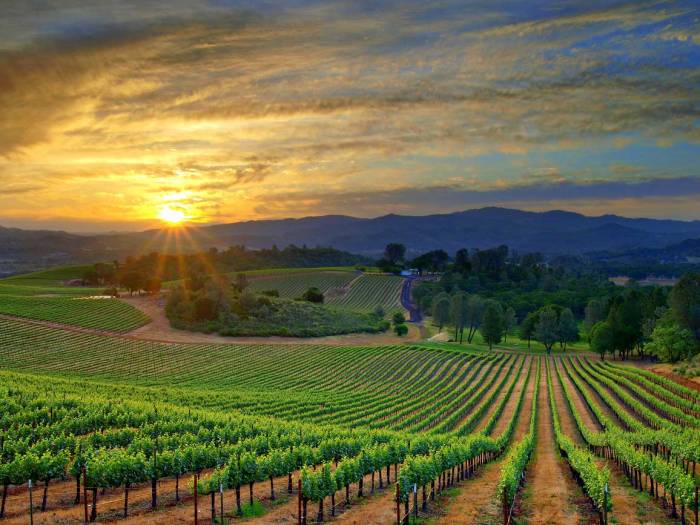
The impact of these trends has been visible in California’s vineyards. Over the past few years, between 100,000 and 150,000 acres of vineyards have been removed—a level of contraction not seen in decades. Karavidas warned that while this reduction may help balance supply in the short term, it could also lead to shortages if demand stabilizes or increases in the future.
Despite these challenges, Karavidas identified areas where the industry can adapt and find new opportunities. He highlighted innovation as essential for survival, mentioning single-serve packaging and ready-to-drink wine products as examples of how wineries can appeal to changing consumer preferences. He also stressed the importance of new marketing strategies aimed at younger generations who are influenced by social media and are open to alternative beverages such as beer, spirits, and cannabis.
Looking ahead, Karavidas predicted a possible “whiplash effect” within two years. With fewer vineyards in production and ongoing reductions in supply, he suggested that prices could improve for those growers who manage to stay in business through the downturn. His advice to farmers was clear: if possible, keep vineyards planted and focus on long-term resilience rather than short-term gains.
The discussion underscored a broader trend within California agriculture: industries must evolve alongside their consumers. For the wine sector, success will depend on its ability to innovate, market effectively, and respond quickly to new trends in both consumption and competition. As market conditions continue to shift, those who adapt may be best positioned to benefit from any future recovery.