Gen Z Narrows Alcohol Choices Despite Stable Drinking Rates Worldwide
Younger drinkers show increased selectivity and fewer “dry” days as moderation trends shift across global markets
2026-03-05
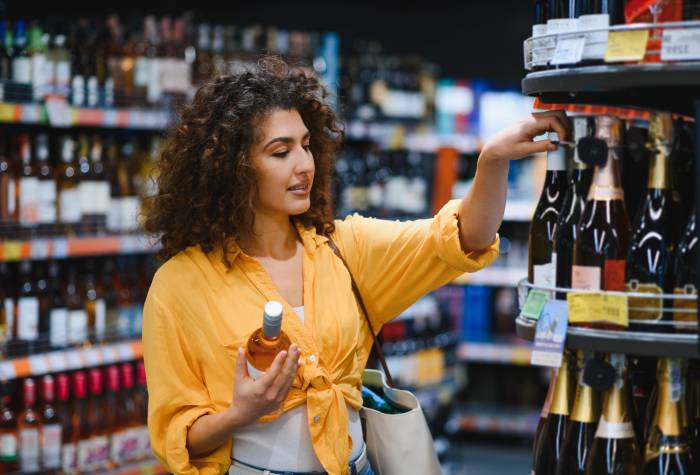
Recent consumer research from IWSR Bevtrac, conducted in September 2025 across 15 global markets, shows that younger legal drinking age (LDA) consumers are becoming more selective in their drinking habits. The study covers key markets including the US, Canada, Brazil, Mexico, the UK, France, Germany, Italy, Spain, South Africa, India, China, Taiwan, Japan and Australia. While overall participation rates in beverage alcohol remain stable or have increased slightly among Gen Z and Millennials, there is a clear trend toward narrowing repertoires and more mindful consumption.
Among Gen Z consumers, 74% now participate in beverage alcohol across these markets, up from 72% in September 2023. The largest increases were seen in Taiwan, the UK, India, Brazil and France. However, participation has plateaued or declined in the US, South Africa and Canada. The gap between Gen Z and all adults in terms of alcohol participation has narrowed from nine percentage points to three since spring 2023. In some places like Taiwan and China, Gen Z participation now exceeds that of all LDA+ consumers. In the US and India the gap is minimal at 1pp and 2pp respectively; it remains wider in Japan (18pp) and France (12pp).
Despite stable or rising participation rates, Gen Z is showing a marked decrease in the number of categories consumed per occasion. The average dropped from 2.8 to 1.8 over the past two years. This shift is especially pronounced among Gen Z in Brazil, India, Mexico and Spain. On-trade consumption—drinking at bars or restaurants—remains important for this group: 46% of Gen Z drinkers visited an on-trade venue during their last drinking occasion compared to 39% of all drinkers. This pattern holds across Europe, North America, Australia, South Africa and Japan but not in China.
Millennials present a more fragmented picture depending on the market. In the US they remain highly engaged with alcohol but are narrowing their repertoires as moderation becomes more common. The average number of categories consumed by US Millennials fell from 6.3 to 5.9 between September 2024 and September 2025. Their on-trade visits also declined from 41% to 36%, with the average number of categories consumed per occasion dropping from 2.1 to 1.7.
In Australia, Millennials report greater financial security but this has not led to increased alcohol spending; their repertoires are smaller than a year ago though attitudes toward moderation are stabilizing. In Brazil, worsening financial outlooks among Millennials have led to lower engagement with alcohol both now and for the future. Confidence about personal finances has dropped significantly since September 2024 along with declines in going out and intended future alcohol consumption. Spirits consumption among Brazilian Millennials fell from 78% to 72%, while sparkling wine dropped from 21% to 16%.
French Millennials show stable participation but a shift in preferences: still wine consumption rose from 64% to 72% over the past year while ready-to-drink beverages (RTDs), tequila/mezcal and brandy all saw declines.
Abstinence remains mainstream but appears less strict among younger consumers than before. While claimed moderation levels are steady compared to last year and awareness of others cutting back is growing, fewer drinkers are taking “dry” days—especially among younger LDA+ groups who were previously most committed to temporary abstinence. Gen Z’s enthusiasm for taking breaks from drinking has peaked or declined in most markets surveyed by Bevtrac. In September 2025, 53% of Gen Z drinkers said they had abstained for a period of time—down from previous years but still higher than the all-age figure of 39%. Longer breaks are also less common: only 28% reported abstaining for a month or more compared to 30% a year earlier.
These findings suggest that while younger consumers remain engaged with beverage alcohol globally, they are making more selective choices about what they drink and how often they do so. The trends vary widely by country and age group but point toward a future where moderation and selectivity play a larger role in drinking habits among new generations of legal-age consumers.

Founded in 2007, Vinetur® is a registered trademark of VGSC S.L. with a long history in the wine industry.
VGSC, S.L. with VAT number B70255591 is a spanish company legally registered in the Commercial Register of the city of Santiago de Compostela, with registration number: Bulletin 181, Reference 356049 in Volume 13, Page 107, Section 6, Sheet 45028, Entry 2.
Email: [email protected]
Headquarters and offices located in Vilagarcia de Arousa, Spain.