New York Wine and Liquor Stores Urge Governor Hochul to Block Supermarket Wine Sales Bill
Union leaders and independent retailers warn proposed legislation could cost hundreds of jobs and threaten family-owned businesses statewide
Monday, March 16, 2026
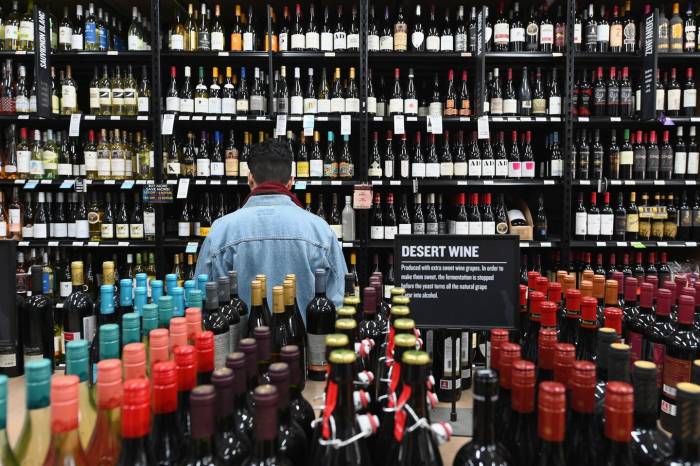
More than 3,300 independent wine and liquor stores in New York State are pushing back against proposed legislation that would allow grocery stores to sell wine. The United Food and Commercial Workers (UFCW) union and the Metropolitan Package Store Association have joined forces to urge Governor Kathy Hochul to reject the bill. They argue that the change would disrupt the state’s alcohol retail system, threaten local businesses, and put union jobs at risk.
Union leaders from 13 UFCW locals, representing workers in wine and liquor sales, warehouses, delivery, and food production, have sent a letter to Governor Hochul outlining their concerns. They warn that if grocery stores are allowed to sell wine, hundreds of union jobs could be lost. These jobs are currently tied to a network of specialized retailers who operate under strict licensing rules. The union says that large grocery chains would likely use different distribution models and employment structures, which could bypass union labor.
The Metropolitan Package Store Association, which represents more than 3,300 independent retailers across the state, shares these concerns. Many of these stores are family-owned businesses that employ thousands of workers. Owners say they have built their livelihoods around the current regulatory framework, which limits wine sales to licensed specialty stores. They fear that large grocery chains could use their size and customer base to dominate wine sales if the law changes.
Industry representatives point out that supermarkets already attract shoppers for regular groceries. If wine is added to their shelves, it could become more convenient for consumers to buy a bottle while shopping for food. This convenience, combined with the purchasing power of big chains, could shift wine sales away from small local stores and concentrate them among major retailers.
Opponents of the legislation argue that allowing supermarkets to sell wine would not increase overall wine consumption in New York. Instead, they say it would simply redistribute existing sales from liquor stores to supermarkets. This means that while the same amount of wine might be sold statewide, revenue would flow away from independent retailers and toward large grocery chains. According to opposition groups, this shift would not generate new economic activity or tax revenue for the state but would create winners and losers among businesses.
The debate over this legislation is about more than just where consumers can buy wine. It raises questions about market concentration, the survival of local businesses, and the future of union jobs in New York’s retail sector. Thousands of workers employed by independent wine and liquor stores face uncertainty about their jobs if grocery chains take over a significant share of wine sales. Many of these positions offer negotiated benefits and working conditions through union contracts.
For consumers, the proposed change could mean greater convenience when buying wine during regular grocery trips. However, it might also lead to fewer specialized retailers with knowledgeable staff and curated selections. Family-owned stores often serve as community anchors and provide personalized service that differs from what is found in large supermarkets.
Governor Hochul is now under pressure from both sides as she considers whether to support or reject the legislation. The unified opposition from unions and independent retailers presents a significant political challenge, especially given the potential impact on employment. Organized labor is an important constituency for Democratic politicians in New York, and the union’s argument about job losses adds weight to their case.
Grocery chains argue that allowing them to sell wine would benefit consumers by increasing convenience and competition. However, opponents maintain that the policy change would primarily benefit large corporations at the expense of small businesses and union workers.
The outcome of this debate could influence how New York handles similar issues in other industries where market access and retail regulation are at stake. As discussions continue in Albany, thousands of small business owners and workers are watching closely to see how Governor Hochul will respond to their concerns about jobs, local business survival, and the future shape of New York’s retail landscape.