Alcohol Adjacent Beverages Attract Surge of Young U.S. Consumers Seeking Functional Effects
Millennials and Gen Z drive rapid growth in CBD, nootropic, and adaptogen drinks as demand for mood and focus benefits rises
2026-02-20
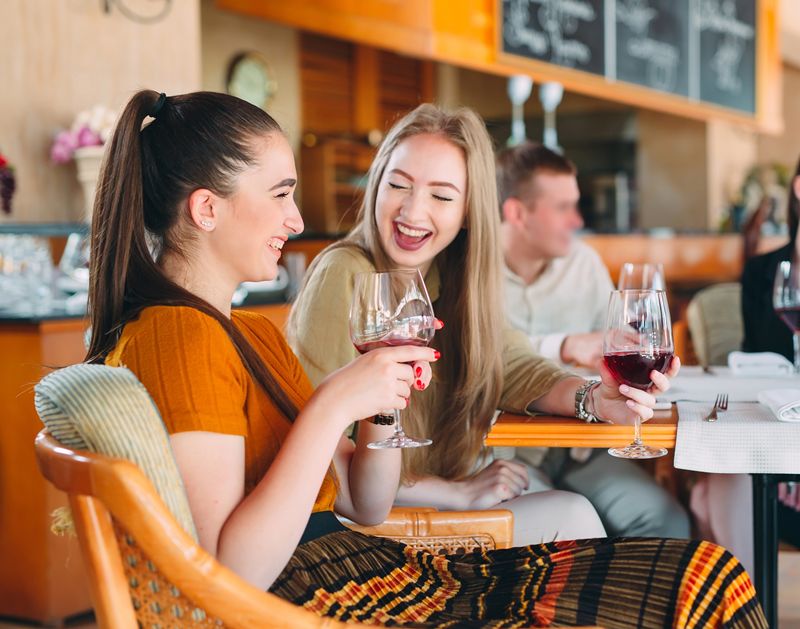
Alcohol adjacent beverages, including drinks infused with CBD, nootropics, and adaptogens, are gaining traction among younger legal drinking age consumers in the United States and other leading markets. These products are not primarily seen as health-oriented alternatives to alcohol, but rather as functional beverages that offer specific effects such as relaxation, mood enhancement, or increased focus. The trend is particularly strong among Millennials and Gen Z, who now make up more than 75% of the alcohol adjacent consumer base across the top 10 no/low alcohol markets.
Recent data from IWSR’s No/Low-alcohol Strategic Study 2025 shows that no/low alcohol volumes in the world’s top 10 markets grew by 4% in 2024, with value increasing by 6%. Projections for 2025 indicate a further 9% volume gain for no-alcohol products, while low-alcohol options are expected to decline by 2%. By 2029, no-alcohol volumes are forecast to expand by 36%. While traditional no-alcohol analogues like beer, wine, ready-to-drink cocktails, and spirits still dominate the category in terms of volume, alcohol adjacent products are growing quickly. IWSR projects an 11% increase in volumes for these products in 2025.
Consumer research from IWSR highlights a rising incidence of alcohol adjacent consumption among no-alcohol drinkers. In 2025, 19% of no-alcohol drinkers across the top 10 markets reported consuming alcohol adjacents, up significantly from previous years. In the U.S., this figure is even higher at 33%, and among Gen Z consumers across these markets it stands at 30%.
Susie Goldspink, head of no/low insights at IWSR, notes that consumer awareness of mental health and stress management is at an all-time high. This has driven demand for functional beverages that claim to improve sleep quality, boost energy levels, or help manage anxiety. Many new product lines offer a range of effects—such as “uplift,” “unwind,” “calm,” or “focus”—to appeal to different consumer needs.
Alcohol adjacent beverages include non-intoxicating hemp drinks like CBD sodas; functional drinks with nootropics or adaptogens; and non-functional products that mimic alcoholic cues through botanicals or vinegar-based recipes. Sparkling teas and fermented drinks also fall into this category. Unlike traditional no-alcohol products often marketed for health or as substitutes for alcoholic drinks, alcohol adjacents are typically chosen for their functional benefits. Many consumers use them to unwind or seek an alcohol-like buzz without actual intoxication.
Goldspink points out that while 60% of Gen Z consumers are moderating their alcohol intake, they do not necessarily see alcohol adjacents as substitutes for alcoholic beverages. Instead, they consume these drinks for their unique effects. This suggests that alcohol adjacents may be incremental to both alcohol and no-alcohol analogue occasions rather than direct replacements.
Interest in alcohol adjacents varies widely by country. The U.S. and Canada lead in both product availability and consumer openness. In the U.S., 85% of no/low consumers say they have tried or would like to try alcohol adjacents; in Canada the figure is 78%. In contrast, only 33% of Japanese consumers and 43% of French consumers express similar interest. Preferences for functional benefits also differ: Japanese consumers favor sleep-supporting products while German consumers prefer energy-boosting options. In Australia, Canada, the UK, and the U.S., top preferences include unwinding, energy enhancement, and mood improvement.
Despite their growth potential, alcohol adjacents face significant barriers. Availability remains a major challenge: 60% of no-alcohol buyers cite limited access as a reason they do not consume these products more often. This is higher than the figures reported for other no/low categories such as spirits (50%), RTDs (48%), wine (46%), and beer (35%). Price perception is another obstacle; many consumers view these beverages as expensive compared to traditional options.
Retail placement also complicates matters. Alcohol adjacents can be found in various sections—soft drinks, energy drinks, refrigerated aisles, multipacks, or on-the-go displays—leading to confusion about where to find them. Industry experts suggest that clearer category management by retailers could help normalize these products and support further growth.
As younger consumers continue to seek out functional beverages with specific effects rather than simply reducing their alcohol intake for health reasons, the market for alcohol adjacent drinks appears poised for continued expansion—provided manufacturers and retailers can address challenges around availability and consumer education.

Founded in 2007, Vinetur® is a registered trademark of VGSC S.L. with a long history in the wine industry.
VGSC, S.L. with VAT number B70255591 is a spanish company legally registered in the Commercial Register of the city of Santiago de Compostela, with registration number: Bulletin 181, Reference 356049 in Volume 13, Page 107, Section 6, Sheet 45028, Entry 2.
Email: [email protected]
Headquarters and offices located in Vilagarcia de Arousa, Spain.