Chinese Wines Gain Ground at Paris Trade Fair
Producers from Ningxia, Yunnan and Shandong present bottles to 60,000 international buyers
Friday, February 13, 2026
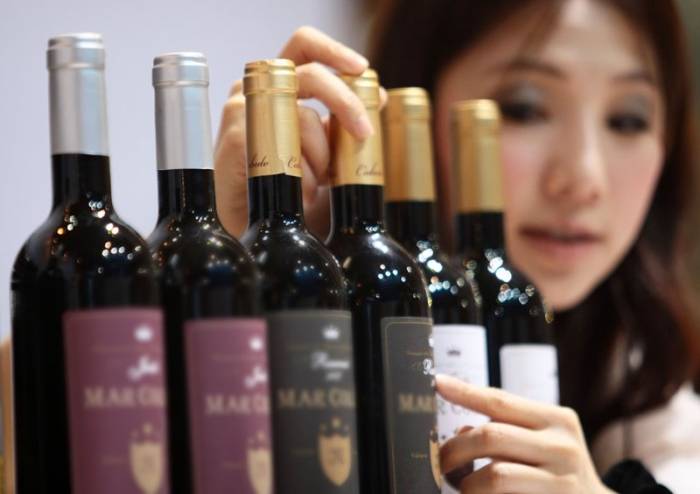
Glasses were raised this week at the Porte de Versailles exhibition center in Paris as professionals sampled wines from more than 60 countries and regions. Among them, Chinese wines occupied a space that barely existed at major European trade fairs just a few years ago. The seventh edition of Wine Paris, the International Wine and Spirits Exhibition, took place from February 9 to 11 with nearly 6,000 exhibitors and about 60,000 professional buyers from 155 countries and territories. Organizers confirmed that the number of participating wineries exceeded last year's total by more than 100, reinforcing the fair's role as a barometer of international market trends.
In the wine hall, several Chinese producers presented bottles from regions such as Ningxia, Yunnan and Shandong. The range of origins drew the attention of European importers and distributors who stopped to taste. Thibault de La Haye, a French wine merchant who first tried Chinese wine in 1997 during a trip to China, recalled that quality at the time was uneven. He said that today China is capable of producing high-level wines, with clear progress in grape selection, winemaking techniques and the use of oak barrels for aging and blending.
Other professionals pointed to stylistic diversity as one of the defining features of Chinese wine. Jean Clément Cazes, Asia sales director for the French group Bernard Magrez, said China's vast geography allows for different profiles depending on climate and soil. In general terms, he noted, Chinese reds tend to balance structural power with a more refined expression, while some whites show aromatic clarity and balance.
French consumers attending the fair also observed the shift. Éric Couthy said he tasted several Chinese bottles three decades ago without much conviction. Sampling them again in Paris, he said he was surprised by the change. In his view, certain whites display a purity of aroma and a level of ripeness that places them close to quality French references, making comparisons less strained than in the past.
Nino Consoli, a member of the fair's organizing team, tasted Chinese wine for the first time during the event. He said he found texture and a clear sense of origin in several samples. He also noted that China offers stable conditions in terms of policies and tariffs, which can help wineries plan long term operations in the market.
Cooperation between France and China was another topic in discussions throughout the exhibition halls. De La Haye said both countries share a similar view on the importance of preserving wine quality and long-term value. He suggested that technical and commercial exchanges could strengthen wineries' positions in different markets and improve the sector's value chain.
From the Chinese side, Liu Hai, head of Liushi Winery in Ningxia, said he began working with vineyards in 1997 and has followed the industry's evolution closely. He explained that international recognition became visible when Ningxia wines achieved strong results in competitions held outside China. That momentum drew greater attention from importers and critics to the region.
Liu said that compared with many French wines, Chinese wines often emphasize fruit and a slightly sweeter sensation, with clear structure and a smooth entry on the palate. That profile, he said, can appeal to consumers who are new to wine. He added that many Chinese wineries pay close attention to bottle and label design, incorporating historical and cultural elements in an effort to position wine as a vehicle for cultural exchange.
Although the number of Chinese wineries present at major international fairs remains limited, several participants said the sector is expanding abroad. At a time when consumption habits are shifting and markets are being reshaped, Chinese producers are working to establish a distinct identity and gain ground in commercial circuits where their presence was once minimal.