California Vineyards Accelerate Removals as Growers Target 40,000 Acres in 2025
Industry leaders push for aggressive cuts to address wine grape oversupply and stabilize prices after years of surplus
Tuesday, February 10, 2026
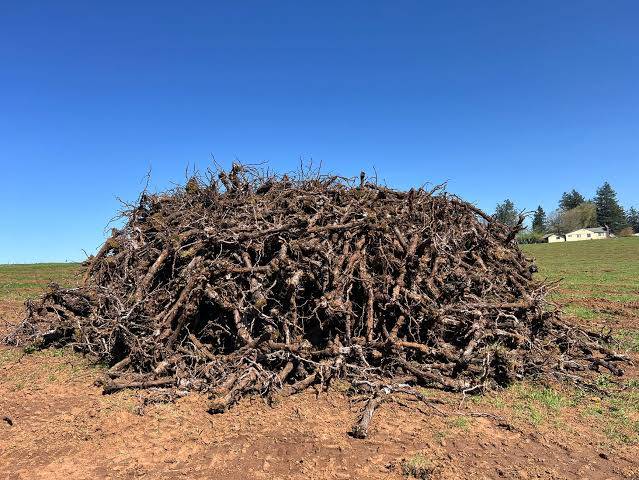
California vineyard removals are set to continue at a rapid pace in 2025, with industry leaders estimating that another 40,000 acres of grapevines could be pulled out this year. The move is part of an ongoing effort to address a persistent oversupply of wine grapes in the state, which has weighed on prices and left thousands of tons of fruit unsold in recent seasons.
Jeff Bitter, president of Allied Grape Growers, said the industry is on track to remove at least 40,000 acres based on trends observed since the last harvest. This follows the removal of about 37,000 acres in 2024 and another 40,000 acres after the most recent harvest. However, new plantings have offset some of these reductions, with approximately 20,000 acres of new vineyards coming online each year over the past two years.
Bitter has previously called for growers to remove 50,000 acres annually in both 2024 and 2025 to bring supply back into balance with demand. While he did not issue a specific recommendation for removals this year, he said that taking out another 40,000 acres “would bring us very close to longer-term balance, based on today’s wine shipment rates.” He added that if prices do not rebound sharply, there may finally be enough demand to absorb all available supply—a situation the industry has not seen in four years.
The oversupply problem has been acute. In 2025, an estimated 30% of California’s wine grapes went unsold, according to data from Sonoma County Winegrowers. The Wine Institute reported that California had about 590,000 bearing and non-bearing acres of wine grapes in 2024. If current removal trends continue, the state’s total vineyard acreage could drop to around 473,000 by the end of this year—a reduction of nearly 20% over three years.
Industry leaders gathered in Sacramento from January 27-29 for the Unified Wine & Grape Symposium. The event featured a panel discussion on the state of the industry with experts including Bitter; Mike Veseth of The Wine Economist; Danny Brager from Azur Associates; Steve Fredricks from Turrentine Brokerage; and Liz Thach from the Wine Market Council. The panelists discussed how the industry is shifting its focus from acknowledging market disruption to planning for stabilization and future growth.
Natalie Collins, president of the California Association of Winegrape Growers and co-host of the symposium, said this year’s event reflected a more pragmatic and forward-looking approach. “There was a clear willingness to confront difficult realities,” she said, “but also a shared focus on problem-solving, collaboration and positioning the industry for what comes next.”
A recent analysis by Silicon Valley Bank suggested that the wine market may be nearing its lowest point and could see modest growth return within a few years. According to SVB’s annual State of the U.S. Wine Industry Report released in January, industry sales fell by 2% in volume and 1.6% in dollar value in 2025—an improvement over steeper declines recorded in 2024.
Demographic changes remain a challenge for California wine producers. As older consumers who have traditionally favored wine age out of the market, they are not being replaced at the same rate by younger Millennial and Gen-Z drinkers. The SVB report noted that top-performing wineries will be those that prioritize customer engagement and leverage digital tools to reach new audiences.
Looking ahead to the 2025 harvest season, most industry leaders expect California’s grape crush to fall below 2.5 million tons—a relatively small figure by historical standards. Some experts have even warned that wineries could face grape shortages as early as this summer if removals continue at their current pace. Bitter does not fully agree with these predictions but acknowledges that this year’s crush will likely be limited by both reduced production and selective purchasing by wineries.
The ongoing vineyard removals mark a significant shift for California’s wine industry as it seeks to restore balance between supply and demand after several years of surplus. Whether these efforts will be enough to stabilize prices and improve grower profitability remains an open question as producers head into another challenging season.