French Winegrowers Protest New Limits on Copper-Based Vineyard Treatments
Organic producers warn that stricter rules could force them to abandon sustainable practices as climate change increases disease risks.
Monday, March 2, 2026
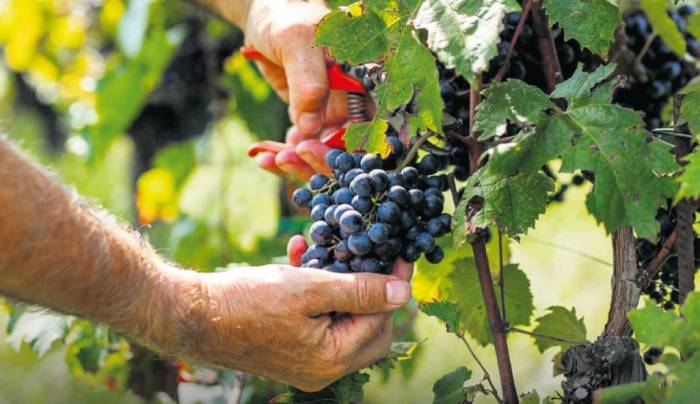
French winegrowers are raising concerns over new restrictions on copper-based products, which have been a cornerstone of vineyard management for the past 150 years. Pierre-Henri Cosyns, a winegrower and representative of the National Federation of Organic Agriculture (FNAB), told reporters that the sector has already halved its use of copper in the last two decades. Despite these efforts, regulatory changes are set to impact their work.
In July, France’s health agency, Anses, announced that 17 copper-containing products would not be reauthorized for market use because manufacturers failed to provide required documentation. This decision will take effect in 2027. Only two products were reapproved, but with stricter usage conditions. Ten other copper-based products remain available, while seven more are awaiting review by the Italian health agency before Anses makes a final decision.
Winegrowers say they are worried about losing access to a full range of copper treatments and criticize new restrictions, especially those limiting application frequency to once every seven days. Copper is the most widely used natural substance to combat downy mildew, a persistent fungal disease in vineyards that becomes especially problematic during wet years.
The changing climate is making matters worse for French vineyards. Bernard Farges from the National Committee of Wine Interprofessions (CNIV) said that increased humidity due to climate change means growers need more copper, not less. He described the new rules as “an incomprehensible punishment,” especially as the sector faces economic challenges and has made efforts to reduce chemical inputs.
Cosyns warned that these restrictions could lead some organic winegrowers—who currently farm 20% of France’s vineyard area—to abandon organic practices altogether. FNAB, France Vin Bio, and the National Confederation of AOC Wine Producers (CNAOC) are calling on public authorities for support and plan to join legal actions initiated by product manufacturers.
Anses maintains that copper is an essential trace element but can be toxic above certain levels. Charlotte Grastilleur, deputy director general at Anses, explained that there are established toxicological reference values and that the agency’s goal is to assess whether these limits are exceeded through inhalation, skin contact, or ingestion by consumers. She noted that manufacturers had not provided all necessary information regarding compliance, residue limits, and worker exposure but said they could submit additional data for review.
The debate highlights ongoing tensions between environmental safety regulations and the practical needs of agricultural producers facing both economic pressures and climate-related challenges. The outcome will affect not only how French vineyards manage disease but also the future direction of organic wine production in one of the world’s leading wine-producing countries.