European Parliament Trade Committee Backs Plan to Cut Most Tariffs on U.S. Goods
Proposals advance to full Parliament as lawmakers seek stronger transatlantic trade ties while adding safeguards for EU industries
Monday, March 23, 2026
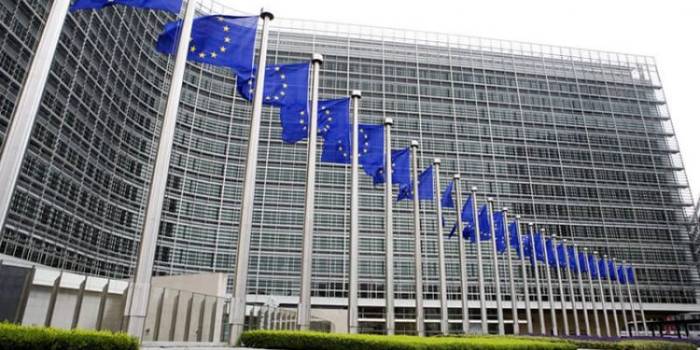
Members of the European Parliament’s International Trade Committee have voted in favor of two legislative proposals that would remove most tariffs on industrial and agricultural products from the United States. The vote, held last week in Brussels, resulted in 29 votes in favor, nine against, and one abstention. The proposals are part of ongoing efforts to strengthen transatlantic trade relations and address longstanding disputes over tariffs.
Bernd Lange, the Parliament’s rapporteur for the issue, said after the vote that the committee had reached a broad majority supporting a strong text aimed at providing stability and fairness in trade with the United States. He emphasized that the Parliament intends to retain control over the final decision and implementation of any agreement. According to Lange, a clear and graduated safety net has been established to address key shortcomings in the European Commission’s original proposal.
One of the main points highlighted by Lange is that any tariffs imposed on the EU or its member states as a result of foreign policy decisions would be unacceptable. To address this, the committee updated and strengthened the suspension clause. If such tariffs were imposed, legislative work to implement tariff preferences for U.S. products would be suspended immediately. Lange stated that threats of tariffs against one member state are considered threats against all.
The committee also agreed on an immediate entry-into-force clause. This means that while legislation could be adopted to implement the agreement, tariff preferences for U.S. products would only take effect once commitments made at Turnberry are fully respected by the United States. Another condition for implementation is a reduction in tariffs on EU products containing less than 50% steel or aluminum, from 50% down to 15%.
Lange explained that these new conditions complement previously negotiated elements covering five key areas: a specific solution for steel and aluminum, an expiration clause, a suspension provision, a safeguard mechanism, and a reinforced suspension article. He also warned that if the United States were to increase current Section 122 tariffs from 10% to 15% across the board, most EU products would face effective tariffs above the 15% limit due to Most Favored Nation rules. Such an increase would also trigger suspension of legislative work on these files.
The vote had originally been scheduled for January but was postponed twice due to U.S. threats against Greenland and uncertainty following a U.S. Supreme Court ruling. Lange expressed hope that this latest vote would foster positive momentum for cooperation, reduce tariff threats, and allow businesses and consumers on both sides of the Atlantic to plan ahead with greater certainty.
The two legislative proposals will now go before the full European Parliament for a vote on March 26. If approved, negotiations will begin with EU governments on the final version of the legislation. The outcome could have significant implications for agricultural producers in both Europe and the United States, as well as for broader trade relations between the two economic blocs. Agricultural groups in Europe have already voiced concerns about potential impacts on local producers if U.S. products gain easier access to EU markets under reduced tariffs. The debate is expected to continue as lawmakers weigh economic benefits against possible risks to domestic industries.