Germany approves emergency hop aphid treatment
The temporary authorization for Movento SC 100 comes as growers try to protect the 2026 hop crop from pest damage.
2026-05-21
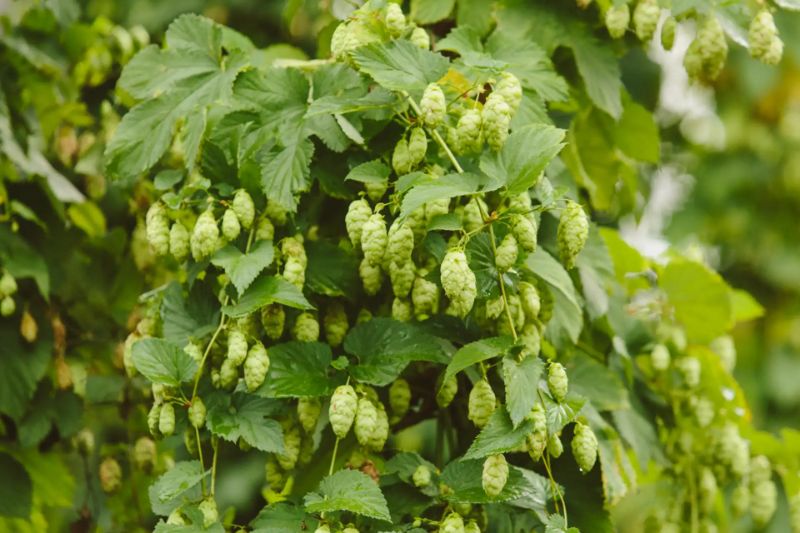
Germany has granted an emergency authorization for Movento SC 100 in hops against hop aphid, according to a notice posted May 12 on PS Info, the German plant protection information service. The approval was issued under Article 53 of the European Union plant protection rules, which allows temporary use of a product when a crop faces an urgent threat and no adequate alternative is available.
The decision matters for one of Germany’s most important brewing crops at a time when growers are trying to protect yields and quality in the 2026 season. Hop aphids can weaken plants, reduce cone development and affect the raw material that breweries depend on for bitterness, aroma and stability in beer. In a sector where supply chains are closely watched by maltsters, brewers and traders, even short-term pest pressure can have wider effects.
PS Info listed the authorization specifically for hops and identified the target as Hopfenblattlaus, the German term for hop aphid. The notice did not indicate that the measure was a permanent approval. Instead, it was presented as an emergency step, which is common in European agriculture when weather conditions, pest outbreaks or resistance problems leave farmers with limited options.
Movento SC 100 has appeared repeatedly in PS Info’s recent updates across several crops, reflecting how regulators in Germany have been using Article 53 authorizations to address immediate pest and disease risks this spring. On the same day as the hop approval, the service also recorded emergency permissions for other crops, including stone fruit and maize. In the weeks before that, similar temporary approvals were issued for vegetables, grapes, potatoes and ornamental plants.
For hop growers, the timing is important because aphid pressure can build quickly during the growing season. The insect feeds on plant sap and can also contribute to contamination issues through honeydew deposits on leaves and cones. Growers typically monitor infestations closely in late spring and early summer, when young growth is vulnerable and treatment windows are narrow.
Germany remains one of Europe’s key hop-producing countries, with cultivation concentrated in Bavaria’s Hallertau region and other growing areas. Any regulatory change affecting crop protection there is watched beyond Germany because hop output influences contracts with breweries across Europe and overseas. Brewers have already faced volatility in agricultural inputs in recent years from weather stress, disease pressure and tighter pesticide rules.
The Article 53 route used for Movento SC 100 means the authorization is tied to a specific crop and pest problem rather than a broad market approval. Such decisions are usually limited in time and scope and are meant to bridge a gap until longer-term solutions are available or until the immediate threat passes. For growers, that can mean access to a tool during a critical period; for regulators, it is a way to balance crop protection needs with existing safety rules.
The PS Info notice did not provide details on application limits, dosage or duration in the excerpt available on its current-meldungen page. Those conditions are normally set out in the official authorization documents that accompany emergency approvals.
