California Grape Growers Uproot 38,000 Acres of Vineyards Amid Wine Oversupply Crisis
Industry faces steepest vineyard reductions in decades as falling demand and surplus inventory force growers to cut back
2026-02-23
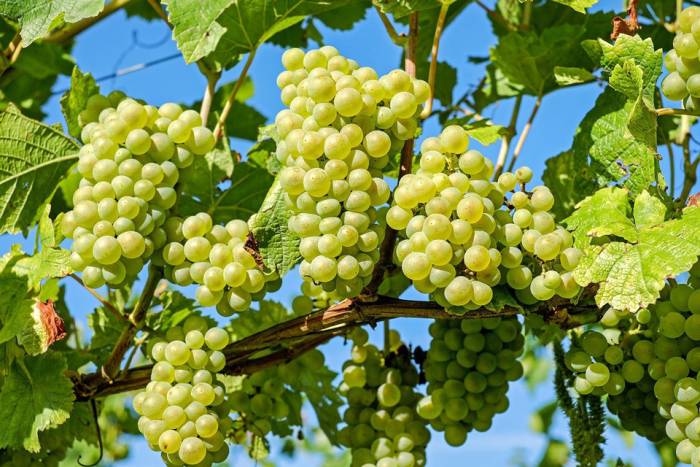
California’s wine industry is seeing a significant shift as grape growers remove thousands of acres of vineyards in response to a prolonged oversupply. The state, which produces the majority of American wine, has faced declining wine consumption both domestically and globally over the past several years. This downturn left growers with more grapes than wineries could use, leading to financial strain across the sector.
Between October 2024 and August 2025, more than 38,000 acres of winegrape vineyards were removed statewide, according to a report commissioned by the California Association of Winegrape Growers. This represents about 7% of California’s total vineyard acreage, leaving approximately 477,000 acres still in production. Industry experts estimate that future demand will support only about 410,000 acres, suggesting further reductions are likely.
Jeff Bitter, president of Allied Grape Growers, addressed the issue at the Unified Wine and Grape Symposium in Sacramento last month. He noted that while the industry is still dealing with excess supply, ongoing removals—projected to reach another 40,000 acres this year—could bring the market closer to balance. Bitter said that if current trends continue, productive acreage could align with demand as early as this year, but more likely by 2027 or 2028.
The oversupply problem has been compounded by slow wine sales. By the end of 2023, California wineries held enough finished wine inventory to last 21.7 months—well above their target of 18 months—according to the Gomberg Fredrikson Report. This surplus led wineries to reduce grape purchases and contributed to a record amount of unharvested fruit. In 2024, an estimated 400,000 tons of grapes went unpicked; last year that figure rose to about 820,000 tons, roughly a quarter of the crop.
As a result, California’s winegrape harvest in 2025 was one of the smallest in decades at under 2.5 million tons. New vineyard plantings also dropped sharply: nurseries sold just 7.7 million vines last year, enough for about 7,200 acres—a steep decline from over 20 million vines sold three years earlier.
Growers without long-term contracts have been hit hardest by these changes. Many have been forced to sell grapes at a loss or leave them on the vine. The lack of profitability has made it difficult for some growers to secure operating loans from banks. Randy Baranek of Fowler Brothers Farming in Stanislaus County reported supervising the removal of more than 5,000 acres last year and expects similar numbers this year due to continued demand for vineyard removal services.
Industry analysts point to several causes for declining wine consumption. Shifts in health guidance regarding alcohol intake and rising living costs have played a role. Younger consumers are drinking less wine than previous generations and are harder for wineries to reach.
Despite these challenges, some industry leaders see opportunities for recovery by appealing to changing consumer values. Liz Thach, president of the Wine Market Council, said that while younger generations drink less wine overall, they still view it positively—associating it with nature, agriculture and social connection. She suggested that wineries highlight attributes such as low sugar content and sustainable farming practices to attract health-conscious and environmentally aware consumers.
The recent wave of vineyard removals is costly for growers who invested heavily in their land but may be necessary for the industry’s long-term stability. As inventory levels begin to fall and supply comes closer to matching demand, experts believe California’s wine sector could see improved conditions within the next few years. For now, many growers continue to make difficult decisions as they wait for signs of recovery in both domestic and global markets.
