California Wine Industry Moves Closer to Market Balance as Vineyard Removals Continue
Industry leaders say further acreage cuts are needed to reach sustainable supply levels and stabilize wine inventories statewide
Thursday, January 29, 2026
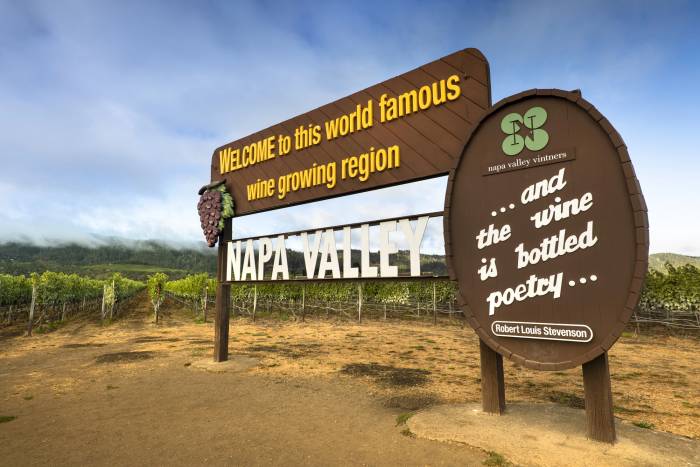
At the Unified Wine & Grape Symposium in Sacramento, industry leaders reported that California’s wine grape market is moving closer to a balanced state, though more vineyard removals are still needed. Jeff Bitter, president of Allied Grape Growers, addressed the audience at the annual “State of the Industry” session, noting that if growers remove about 40,000 acres of bearing vines in 2026, the state could reach a sustainable acreage level for long-term market health. This marks a shift from previous years, when Bitter called for urgent and larger-scale removals to address oversupply.
Bitter explained that while progress has been made—nearly 40,000 acres have been removed over the past three years—the industry is not yet at equilibrium. He emphasized that both growers and wineries are feeling the effects of oversupply and that continued management of vineyard acreage and wine inventory is necessary. The current estimate for total standing wine grape acreage in California varies: Land IQ, working with the California Association of Winegrape Growers, reports 515,615 acres as of 2024, while Allied and the California Department of Food & Agriculture estimate 590,000 acres.
The main factor influencing grape purchase decisions has shifted from acreage or prices to finished wine inventory. According to Bitter, average monthly shipments of California wine have dropped in recent years. At the end of 2024, inventory levels exceeded 20 months’ worth of supply but are expected to fall to about 19 months in 2025. This is still above the industry’s target of an 18-month inventory level. Allied estimates this year’s harvest at around 2.25 million tons—a small crop with some fruit left unharvested.
Planting activity has also slowed. Allied’s annual nursery survey shows fewer new vineyards each year since 2022. Cabernet Sauvignon and Chardonnay remain the most planted varieties, with nearly all new plantings in coastal regions. Bitter outlined three key steps for achieving market balance: reducing inventory to an 18-month supply, cutting bearing acreage to about 410,000 acres to match demand, and stabilizing wine shipments without further year-over-year declines.
California is not alone in facing these challenges. France has reduced its vineyard area, Spain and Italy have cut yields or sought new markets, and Chile has shifted some land from grapes to other crops like cherries. Australia has also removed vineyards; reopening exports to China provided some relief but did not restore pre-pandemic demand.
Despite ongoing reductions in supply—Turrentine Grape Brokerage’s Steve Fredricks estimates another 50,000 acres may be removed or mothballed this year—there remains a large volume of bulk California wine for sale statewide. About 28 million gallons are currently on offer, mostly from recent vintages. Buyers are typically private label or negociant firms seeking lower-priced wines for direct retail sales rather than branded wineries. Fredricks expects less than 450,000 bearing acres in production this year and warns that future shortages could arise if inventory falls too low.
Some grape varieties show promise amid these adjustments. Sauvignon Blanc acreage has increased to meet rising demand for lighter white wines. Industry experts see opportunities for growth by aligning with consumer trends and preferences.
Dr. Liz Thach MW, president of the Wine Market Council, highlighted several strategies for engaging today’s consumers. She recommended promoting wine as part of casual and fun occasions—not just formal events—and responding to wellness trends by offering no-added-sugar or low-alcohol options with clear ingredient labeling. Thach noted that younger consumers appreciate transparency and eco-friendly practices but said wineries need to communicate these efforts more effectively.
Thach also encouraged producers to expand their range of approachable “on-ramp” wines such as Sauvignon Blanc and rosé styles, which are performing well in the market. She pointed out that while lighter wines are popular, there is also demand for high-alcohol flavored or sweet wines among some consumers.
Connecting wine with multicultural cuisines was another opportunity identified by Danny Brager of Azure Associates. He said pairing wine with foods like sushi, Mexican or Indian dishes could help reach new audiences as these cuisines grow in popularity across the U.S.
Brager also observed growth in alternative packaging formats such as cans and small bottles (187ml), which cater to consumers seeking convenience or moderation. White wines and blends continue to outperform reds and rosés due to their versatility and affordability; varieties like Pinot Gris and Chenin Blanc are contributing to this trend.
Industry leaders agree that meeting consumers where they are—whether at festivals, concerts or casual gatherings—is essential for future growth. They stress the importance of telling wine’s positive story: its connection to agriculture, family traditions and social experiences resonates with younger generations who may drink less but still value what wine represents.
As California’s wine industry works through its current challenges, stakeholders remain focused on managing supply while adapting products and messaging to evolving consumer tastes. The coming years will be critical as growers decide how much acreage to remove and wineries adjust their inventories in pursuit of a healthier market balance.