Sustainable Wine Roundtable Drives Major Drop in Bottle Weight Across Global Industry
Initiative cuts average bottle weight by 22% in two years, slashing emissions and saving millions in producer fees
2026-01-27
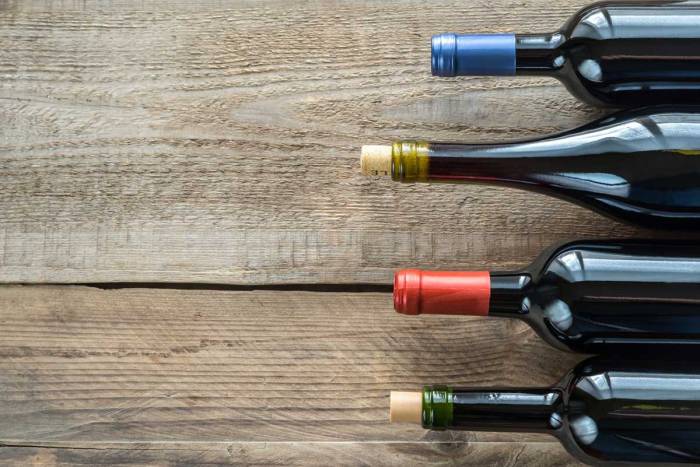
Two years after its launch, the Sustainable Wine Roundtable’s Bottle Weight Accord (BWA) has brought together more than 20 major wine companies, now covering over 2.5 billion bottles annually. This represents about 9% of global wine sales. The initiative, which began in November 2023 with six retail signatories, has expanded to include producers, traders, shippers, and retailers from across the wine sector. Recent additions to the Accord include Bodega Beronia, Domaine Bousquet, Ellis Wines, Guy Anderson Wines, and the Société des alcools du Québec (SAQ).
The BWA was created to address the environmental impact of glass bottle production and transportation by reducing the average weight of still wine bottles from 550g to 420g by the end of 2026. In its first year, the average bottle weight among signatories dropped to 451g. By the end of 2025, that figure had fallen further to 430g—just 10g shy of the target.
The environmental benefits have been significant. Over two years, the BWA has helped mitigate an estimated 440,000 tonnes of CO₂ emissions. This reduction is equivalent to the annual emissions of about 73,000 households or cities such as Cambridge in the UK or Hollywood in California. The carbon savings are not only a result of lighter bottles but also from increased transport efficiency and reduced vehicle wear.
Financial incentives have also played a role in driving participation. The introduction of Extended Producer Responsibility (EPR) levies in the UK and similar policies expected elsewhere have made reducing bottle weight a cost-saving measure as well as a sustainability goal. If all carbon savings achieved by BWA participants were subject to UK EPR rates, it would amount to £58 million in avoided fees.
The Accord has also provided insight into how industry-wide change can be achieved. A clear target and deadline have proven effective motivators for companies to act collectively. While some in the industry believed consumers associate heavier bottles with higher quality wine, research and participant feedback indicate that bottle weight ranks low among consumer purchasing cues. No signatory has reported consumer pushback related to lighter bottles.
Most reductions so far have occurred in low- and mid-range wines, but there are signs that premium producers are also adopting lighter bottles without negative effects on sales. For example, some Rhône producers have reduced bottle weights from around 600g to 380g.
Operational challenges remain for some companies, especially large producers coordinating changes across multiple markets. Issues such as bottle availability and supply chain adjustments can slow progress. However, as demand for lighter bottles increases, glass manufacturers are responding by expanding their offerings.
The BWA is set to conclude its first phase in November 2026. The Sustainable Wine Roundtable plans further research during 2026 to determine whether an even lower target is feasible and whether other aspects such as recycled content should be included in future agreements. With bottles as light as 300g now available and more companies joining the effort, the potential for further reductions in carbon footprint remains strong.
The Sustainable Wine Roundtable continues to serve as a platform for collaboration across the wine value chain, uniting over 130 members including growers, producers, retailers, packaging suppliers, and academics. The organization aims to drive measurable progress on sustainability issues through collective action and evidence-based targets.

Founded in 2007, Vinetur® is a registered trademark of VGSC S.L. with a long history in the wine industry.
VGSC, S.L. with VAT number B70255591 is a spanish company legally registered in the Commercial Register of the city of Santiago de Compostela, with registration number: Bulletin 181, Reference 356049 in Volume 13, Page 107, Section 6, Sheet 45028, Entry 2.
Email: [email protected]
Headquarters and offices located in Vilagarcia de Arousa, Spain.