French Scientists Warn Spotted Lanternfly Could Devastate European Vineyards
Researchers urge early detection and vigilance as invasive pest threatens to follow U.S. path and damage Europe’s wine industry
2026-01-27
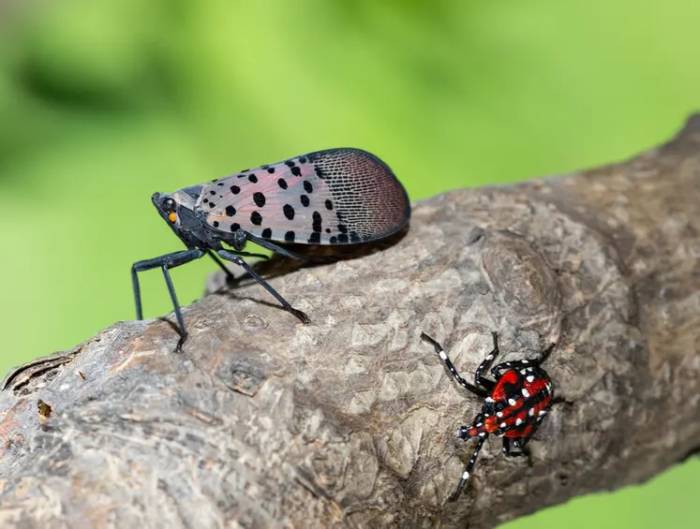
Researchers in Montpellier, France, are warning of a new threat to European vineyards: the spotted lanternfly (Lycorma delicatula). This insect, native to Asia, has already caused significant damage to vineyards on the East Coast of the United States since it was first detected there in 2014. Jean-Pierre Rossi and Jean-Claude Streito, scientists at the Center for Biology and Population Management, recently published a study highlighting the risk this pest poses if it is introduced into Europe.
The spotted lanternfly is known for its ability to hitchhike long distances. It lays eggs on containers and other flat surfaces, making it easy for the insect to travel unnoticed in vehicles such as cars, trucks, and trains. Its main host plant is the tree-of-heaven (Ailanthus altissima), an invasive species that is already widespread in many parts of Europe, especially around ports and logistics hubs. This increases the likelihood that the spotted lanternfly could establish itself quickly if it arrives.
According to Rossi, all conditions are present for the insect to thrive in Europe. “The question is not if the spotted lanternfly will arrive in Europe, but when,” he said. The researchers point out that many invasive species from Asia have eventually reached Europe after first appearing in North America.
The impact of the spotted lanternfly in the United States has been severe. The insect feeds by piercing and sucking sap from grapevines, which weakens the plants and reduces grape quality. American growers have struggled to control its spread, relying heavily on insecticides with only moderate success. The pest continues to expand its range, threatening both crop yields and wine quality.
French researchers stress that early detection is critical. While it is unlikely that the insect will arrive directly on grapevine plants, vigilance among vineyard workers and authorities is essential. “Winegrowers are sentinels,” said Streito. “It’s important they are informed so they can maximize the chances of detecting it as early as possible.”
Authorities are encouraging anyone who suspects they have seen a spotted lanternfly to document their findings. The adult insect measures about 25 millimeters long, with a black head and gray-brown forewings marked with black spots. Its hind wings are red and partially visible when at rest or in flight. Young nymphs are black with white spots; older nymphs turn bright red before becoming adults.
If someone encounters an insect matching this description, experts recommend taking clear photos and submitting them through dedicated apps like Agiir, developed by France’s National Research Institute for Agriculture, Food and Environment (INRAE). Capturing the specimen and preserving it in rubbing alcohol can also help authorities confirm its identity.
Rossi suggests that now is the time to explore biological control options before an invasion occurs. In the United States, efforts to manage the pest have focused mainly on chemical treatments, which have limited effectiveness and raise environmental concerns.
French wine producers are being urged not to panic but to stay alert and report any suspicious sightings promptly. Government agencies such as regional agricultural departments (DRAAF) and national food safety authorities (DGAL) are prepared to respond if necessary. Only formal identification by state services can trigger official protective measures against this invasive species.
The arrival of the spotted lanternfly would add another challenge for European vineyards already facing threats from climate change and other pests. Researchers hope that increased awareness and preparedness will help minimize potential damage if—and when—the insect reaches Europe’s wine regions.
