English Wine Producers Face Urgent Challenge as Supply Outpaces Demand
Industry research warns that pricing and accessibility barriers threaten growth despite rising quality and global recognition.
2026-02-24
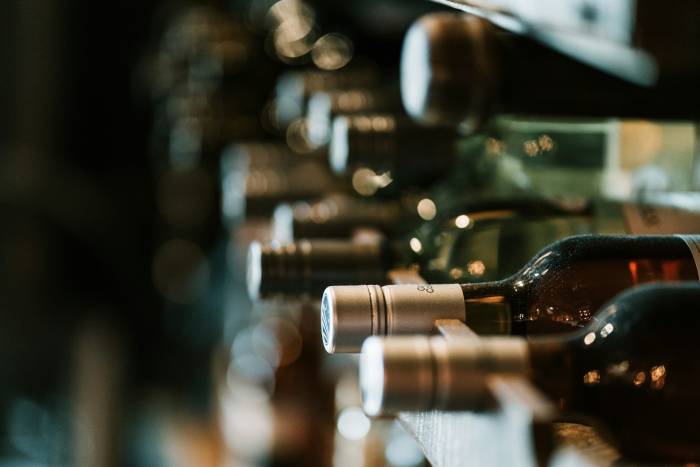
English wine is entering a critical phase as it moves through the second half of the 2020s. Despite high quality, growing global recognition, and steady investment in vineyards and production facilities, the industry faces a mismatch between supply and demand. Research conducted by Athena Strategic Thinking Ltd., led by Kate Davidson, highlights that while English wine has made significant progress, its market relevance and consumer demand are not keeping pace with its ambitions.
The UK drinks market is highly competitive and increasingly focused on value. Wine now competes not only with other wines but also with beer, spirits, low- and no-alcohol alternatives, and experience-driven consumption. English wine occupies an uncertain position in this landscape. Consumers are generally aware of English wine but often struggle to define what sets it apart. Buyers acknowledge its quality but cite barriers such as price, consistency, volume, and accessibility. Producers themselves are divided on whether to prioritize premium positioning, affordability, sustainability, local identity, or innovation. This lack of a unified identity makes it difficult for the category to turn consumer interest into lasting loyalty.
Consumer behavior is shifting rapidly. Primary research shows a growing gap between how English wine is perceived and how people actually make purchasing decisions. While many consumers say they value sustainability, local provenance, and national pride, their choices are still driven mainly by price, convenience, and suitability for specific occasions. Overall wine consumption is declining in the UK, especially among younger adults who are more selective, health-conscious, and interested in unique experiences rather than traditional narratives or technical prestige.
A key issue identified by the research is a knowledge gap between producers and consumers. While awareness of English wine is high, conversion to trial and repeat purchase remains low. Consumers often feel uncertain about navigating the category and worry about spending money on a product that may not be recognized or appreciated by others. At the same time, many producers lack detailed customer insights to inform their pricing strategies, product ranges, marketing communications, and experience design. This disconnect limits demand and reinforces the perception of English wine as something reserved for special occasions.
The research outlines eight strategic challenges that will shape the future of English wine into the 2030s: developing a clear identity for English wine; building an effective marketing funnel; closing the producer-consumer knowledge gap; adapting to demographic changes and declining consumption; expanding product offerings into affordable premium segments; positioning vineyards as destinations for memorable experiences; addressing the gap between consumer values and actions; and restoring industry balance through scale, focus, and collaboration.
Two challenges stand out as particularly urgent: price and access. The current pricing structure excludes most UK wine drinkers. For growth to occur, producers need to offer credible options below £20 while maintaining quality standards to attract the mass-affluent market. The second challenge is structural balance within the industry. Supply is currently outpacing demand. Larger producers face pressure to scale up operations, consolidate resources, export more products, and reduce costs. Smaller producers must focus on premium positioning, direct-to-consumer sales channels, and creating distinctive experiences for visitors. As the market polarizes between niche players and large-scale producers, those in the middle face increasing difficulties.
The future of English wine depends on strategic choices rather than inevitability. If the industry fails to adapt to changing consumer behaviors and expectations, it risks becoming stagnant—admired for its quality but increasingly marginal in terms of market share. However, producers who rethink their business models, actively manage costs, invest in customer experience and storytelling, and collaborate at both local and national levels could drive sustainable growth in the coming decade.
Athena Strategic Thinking’s research aims to provide practical tools for decision-making at every level of the industry—from individual business planning to regional cooperation and national strategy development. The central question now facing English wine producers is whether they will take deliberate steps to shape their future or leave it up to unpredictable market forces. Key findings from this research are now available along with a full report designed to support workshops and further strategic planning across the sector.

Founded in 2007, Vinetur® is a registered trademark of VGSC S.L. with a long history in the wine industry.
VGSC, S.L. with VAT number B70255591 is a spanish company legally registered in the Commercial Register of the city of Santiago de Compostela, with registration number: Bulletin 181, Reference 356049 in Volume 13, Page 107, Section 6, Sheet 45028, Entry 2.
Email: [email protected]
Headquarters and offices located in Vilagarcia de Arousa, Spain.