EU-Mercosur Trade Deal Could Boost Agrifood Exports by 50% as Wine Sector Faces €43.7 Million in Tariffs
Court review delays agreement that promises tariff elimination, legal protection for 145 wine regions and expanded access to 270 million consumers
Wednesday, January 21, 2026
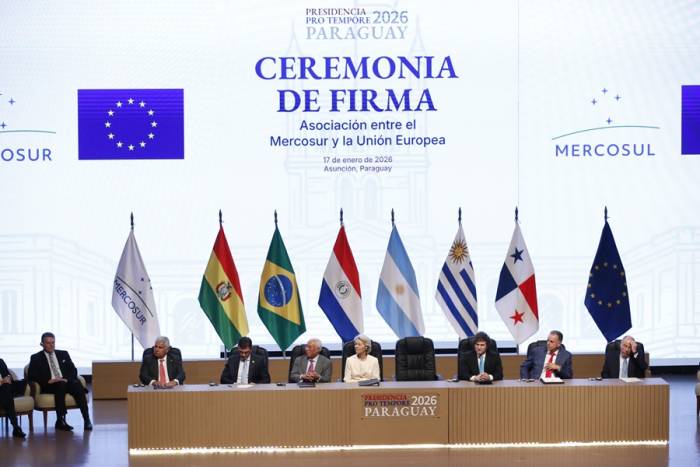
The European Parliament’s recent decision to refer the EU-Mercosur trade agreement to the Court of Justice of the European Union has put a temporary hold on the treaty’s ratification. This move comes just days after the agreement was signed, and it has drawn a strong response from the European Committee of Wine Companies (CEEV), which argues that the deal is crucial for the future of the European wine sector.
The CEEV, representing more than 90% of EU wine exports, has outlined several reasons why the agreement would be positive for European wine producers. The Mercosur bloc, which includes Brazil, Argentina, Uruguay, and Paraguay, represents a market of 270 million consumers. Despite this large potential, EU wine exports to Mercosur reached only €238 million in 2024, accounting for just 1.3% of total EU wine exports. Over the past decade, these exports have doubled in value, but they remain a small share compared to other global markets.
Brazil is by far the largest destination within Mercosur for EU wines, taking in 86% of these exports in 2024, valued at €205 million. The remaining exports are divided among Uruguay (8%), Paraguay (3%), and Argentina (3%). Within the broader context of EU agrifood exports to Mercosur, wine makes up 7%, behind products like olive oil (18%) and various food preparations.
One of the main obstacles for EU wine producers has been high tariffs. In 2024 alone, EU companies paid €43.7 million in tariffs to access Mercosur markets. Tariff rates reach up to 35% in Argentina and 18% in Brazil, Paraguay, and Uruguay. These costs make it difficult for European wines to compete with products from countries like Chile and Argentina, which already enjoy more favorable access conditions.
The trade agreement aims to gradually eliminate these tariffs until they reach 0%. This would put EU wines on equal footing with their main competitors and improve their price competitiveness in South America. The CEEV also highlights that the agreement will remove non-tariff barriers such as complex import procedures, divergent oenological standards, and burdensome certification requirements. These changes are expected to simplify trade and reduce administrative costs for exporters.
Another key benefit is the legal protection of 145 EU wine Geographical Indications (GIs), including well-known names like Champagne, Port, Prosecco, and Jerez. This protection helps safeguard European wine heritage and ensures that only authentic products can use these names in Mercosur countries.
The agreement is also seen as a strategic opportunity for diversification. With global trade tensions rising, expanding into new markets like Mercosur can help reduce dependence on traditional export destinations and strengthen long-term economic resilience for the EU wine sector.
The European Union is a global leader in wine production and export. The sector supports about 3 million full-time jobs across 3.1 million hectares of vineyards. In 2024, extra-EU wine exports totaled €17.4 billion, contributing to a positive trade balance of €15.8 billion.
The CEEV represents companies from 13 EU member states as well as Switzerland, the UK, and Ukraine. Its members include both large firms and many small and medium-sized enterprises that rely heavily on export markets for growth.
While the future of the agreement now depends on the outcome at the Court of Justice of the European Union, industry advocates continue to stress its importance for unlocking growth opportunities in South America. They argue that removing barriers will not only boost exports but also protect Europe’s winemaking traditions and support jobs across rural communities.
If ratified, the EU-Mercosur trade agreement could increase overall EU agrifood exports to Mercosur by nearly 50%, with wine expected to be one of the main beneficiaries. For now, however, both supporters and critics must wait for a legal resolution before any further progress can be made on this major international trade deal.