European Wine Sector Decries Delay in EU Mercosur Trade Deal
Legal review delays ratification up to 20 months, prolonging financial strain and uncertainty for European wine producers targeting South America
Wednesday, January 21, 2026
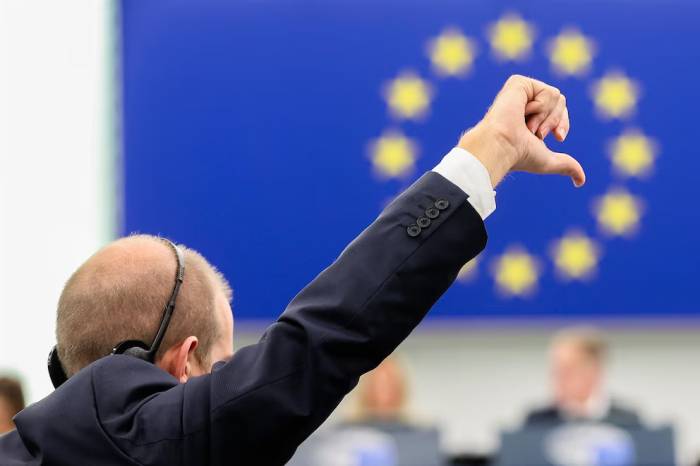
The European Committee of Wine Companies (CEEV) has voiced strong disappointment after the European Parliament voted to refer the EU–Mercosur Partnership Agreement to the European Court of Justice (ECJ). The decision, made in Brussels, will delay the ratification process by an estimated 18 to 20 months. The Parliament is seeking a legal opinion from the ECJ on whether the agreement aligns with EU Treaties, despite previous assurances from the European Commission that it does.
The CEEV, which represents wine producers across Europe, highlighted the financial impact of this delay. In 2025, EU wine exporters paid more than €43 million in tariffs when selling to Mercosur countries, which include Brazil, Argentina, Paraguay, and Uruguay. The group noted that this figure does not account for additional expenses caused by complex import procedures and other non-tariff barriers. These obstacles continue to limit access to key markets, especially Brazil, which is seen as a promising destination for European wines.
The EU–Mercosur Partnership Agreement has been under negotiation for years and aims to reduce tariffs and simplify trade between the two regions. Supporters argue that it would make European wines more competitive in South America and help diversify trade relationships at a time of global economic uncertainty. The CEEV stressed that delays in ratification create unnecessary uncertainty for businesses already facing geopolitical and economic challenges.
The European Commission has repeatedly stated that the agreement is compatible with EU law and has provided detailed explanations to support this position. However, some members of the European Parliament remain concerned about legal and environmental aspects of the deal. Their request for a review by the ECJ reflects ongoing debate within the EU about how best to balance trade interests with legal and ethical considerations.
Wine companies in Europe have been pushing for swift ratification of the agreement, arguing that time lost translates directly into financial losses. The CEEV described today’s vote as a missed opportunity to advance an agreement they see as urgently needed by both the wine sector and the broader European economy. The group called on EU institutions to resolve outstanding issues quickly so that businesses can benefit from improved access to Mercosur markets without further delay.
As the case moves to the ECJ, wine exporters and other stakeholders will be watching closely. The outcome could shape not only future trade with Mercosur countries but also set a precedent for how similar agreements are handled within the EU. For now, companies must continue navigating existing tariffs and regulatory hurdles while waiting for a final decision on the partnership agreement.