More Than 38,000 Acres of California Vineyards Removed Amid Sharp Decline in U.S. Wine Sales
Mission Bell winery closure highlights industry-wide oversupply, job losses and a market downturn expected to last until 2028
2026-01-19
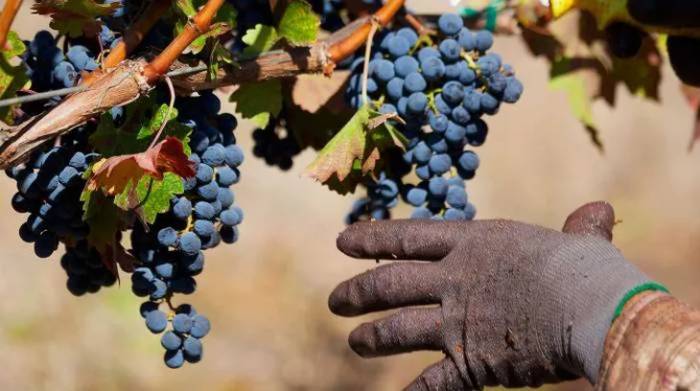
The closure of Mission Bell winery in Madera County, California, marks a significant moment for the American wine industry. Constellation Brands, one of the country’s largest wine producers, announced it will shut down the historic facility, resulting in the loss of about 200 jobs. The decision comes as the company faces shrinking demand for its commodity wine brands and follows a broader trend of declining wine consumption across North America.
Mission Bell has been a fixture in California winemaking for decades. Its closure is tied to the end of a five-year production contract with E. & J. Gallo Winery, which acquired 30 brands from Constellation in a $810 million deal in 2020. Gallo chose not to renew the contract, leaving Constellation with little choice but to close the plant. This move is part of a larger restructuring effort by Constellation, which has been selling off lower-priced wine labels and focusing on premium brands in response to changing consumer preferences.
The challenges facing Mission Bell are not unique. Across California and other major wine-producing states, growers and producers are grappling with oversupply and weak demand. According to industry sources, U.S. wine sales have been falling steadily as consumers turn to other beverages or reduce their overall alcohol intake. The result is a glut of unsold grapes and abandoned vineyards from California to New York.
Growers in California have responded by removing thousands of acres of vineyards. Data from the California Association of Winegrape Growers shows that more than 38,000 acres were grubbed up between October 2024 and August 2025. Despite these efforts to reduce supply, some regions still saw up to 30% of last year’s harvest go unsold. Similar stories are emerging from Oregon, Texas, Ohio, Pennsylvania, Virginia, and North Carolina, where many growers failed to secure contracts or found no buyers for their crops.
Some producers have managed to sell their grapes into the bulk wine market, where they are used for private-label wines sold in supermarkets and restaurants at low prices. While this offers short-term relief for growers, it does little to address the underlying issues facing the industry.
The financial strain is evident at all levels of the supply chain. In December, Australia’s Treasury Wine Estates wrote off its entire goodwill for its U.S. operations—including Daou Vineyards—citing persistent weakness in the American market. Industry leaders warn that conditions may not improve soon. A recent report from Silicon Valley Bank predicts that the downturn could last until at least 2027 or even 2028.
Many California growers are choosing to let their land lie fallow rather than invest further in uncertain markets. This strategy allows soil nutrients to replenish but requires significant financial resources to maintain properties without income from grape sales.
Industry experts say that unless consumer demand rebounds or supply is further reduced, more closures and job losses are likely across North America’s wine regions. The situation has left many long-time growers facing unprecedented uncertainty about the future of their businesses and communities built around winemaking.

Founded in 2007, Vinetur® is a registered trademark of VGSC S.L. with a long history in the wine industry.
VGSC, S.L. with VAT number B70255591 is a spanish company legally registered in the Commercial Register of the city of Santiago de Compostela, with registration number: Bulletin 181, Reference 356049 in Volume 13, Page 107, Section 6, Sheet 45028, Entry 2.
Email: [email protected]
Headquarters and offices located in Vilagarcia de Arousa, Spain.