Schenk Cuts Purchases From Swiss Winegrowers, Leaving 250 Producers Facing Uncertainty
Major estates in Vaud and Geneva warn of possible bankruptcies as oversupply and imports threaten local wine industry
Tuesday, February 3, 2026
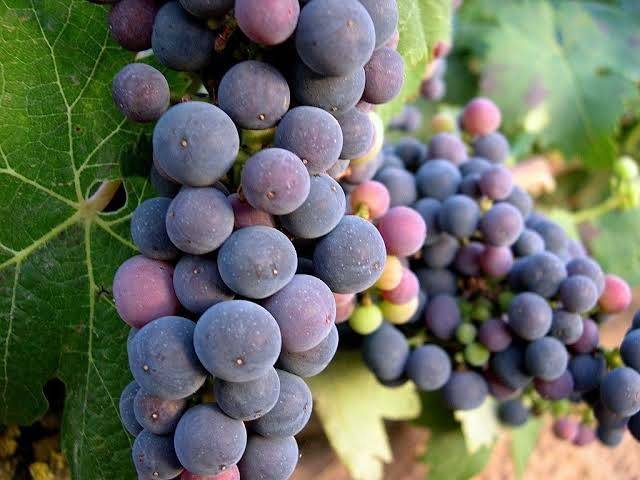
Swiss winegrowers in the cantons of Vaud and Geneva are facing new challenges after Schenk, a major wine merchant based in Rolle, announced it will not purchase or will only partially purchase the 2026 harvest from about 250 producers. The decision was communicated recently to growers, who now face uncertainty about what to do with their upcoming production. In Geneva alone, 17 estates are affected, representing about 7% of the region’s total wine output. This means a significant volume of wine may not find a buyer.
Growers say the market is oversupplied and that current prices do not cover their production costs. Many are concerned that they will be unable to sell their grapes or wine at sustainable prices. Some producers have started to discuss the possibility of uprooting vines as a last resort, given the lack of demand and rising competition from imported wines.
Schenk has described its decision as unavoidable, citing a deep and ongoing structural crisis in the Swiss wine sector. The company points to falling domestic demand for Swiss wine and an increase in imports as key factors behind its move. According to industry representatives, these trends have been building for several years, but the situation has now reached a critical point.
The announcement has raised fears among growers that bankruptcies could occur within months if no solution is found. Many estates rely on contracts with large merchants like Schenk to secure stable income and plan their operations. Without these agreements, some producers say they may be forced out of business.
The Swiss wine industry has faced mounting pressure from changing consumer habits, with more people choosing foreign wines over local options. At the same time, production costs in Switzerland remain high compared to other countries, making it difficult for local growers to compete on price.
Discussions are underway among growers, industry groups, and government officials about possible measures to support the sector. Some proposals include financial aid for affected producers or incentives to reduce vineyard acreage in line with lower demand. However, no concrete solutions have been agreed upon so far.
The coming months will be crucial for many Swiss winegrowers as they assess their options and wait for further developments. The risk of unsold harvests and financial losses is prompting urgent calls for action across the region.