Three Alentejo Wineries Named Among World’s 50 Best as Region Prepares for 2026 European Wine Capital Honor
Ancient winemaking traditions and revived grape varieties fuel Alentejo’s rise as a global wine tourism hotspot in Portugal
2026-01-19
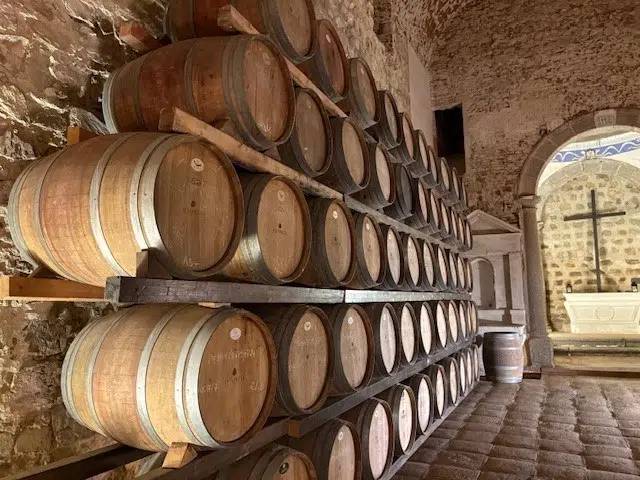
Portugal has gained international recognition for its wines, with the Alentejo region emerging as a leading destination for wine tourism. Although the Alentejo was officially demarcated as a wine region only in 1988—more than two centuries after the Douro, which became Europe’s oldest designated wine region in 1756—the area now attracts visitors from around the world. According to Forbes magazine, five Portuguese wineries were recently included in its list of the world’s fifty best, and three of these are located in the Alentejo.
One standout is Fitapreta, a winery near Évora, which this year received the top award from the Portuguese Association of Wine Tourism (Apeno). The lower Alentejo region, home to some of Portugal’s most traditional wineries, has also been selected as the “European Wine Capital” for 2026, following a vote among producers from several countries.
Despite its recent official recognition, historians say that winemaking in the Alentejo dates back to Roman times. José Calado, author of “Alentejo de honra,” notes that archaeological evidence points to continuous wine production since antiquity. The region is also one of the few places in Europe where the ancient technique of fermenting wine in clay amphorae—known locally as vinho de talha—still survives.
For much of its history, Alentejo’s wines were overshadowed by political decisions. When the Douro was demarcated in the 18th century, authorities ordered Alentejo to focus on bread and olive oil production, imposing taxes on those who planted vines. Nevertheless, local farmers continued to make wine through cooperatives. Some of these wines even won international awards during a brief period of growth at the end of the 19th century. In the 20th century, under Portugal’s dictatorship, regional divisions were reinforced: Douro was reserved for wine and Alentejo for bread.
The recent success of Alentejo wines is partly due to a revival of traditions that were once suppressed. Fitapreta’s owners purchased land at the foot of Serra d’Ossa with records of winemaking dating back to the 14th century. The soil proved ideal for reviving old grape varieties that have disappeared elsewhere in Portugal. Alexandra Leroy Maçanita, co-owner of Fitapreta, explains that they use traditional methods such as dry farming—relying on vines’ natural ability to draw water from deep in the soil.
Fitapreta has developed a series called “Chão dos Eremitas,” featuring rare grapes like Alicante Branco and Tinta Carvalha. The flagship wine is “Os Paulistas,” named after hermits from the Order of Saint Paul who once cultivated vines there. Historical records show that their wines were so prized that a papal bull in 1397 granted them tax exemptions.
The Fitapreta winery operates out of a restored 14th-century palace once owned by King Dinis I of Portugal. Visitors can take guided tours, sample wines, enjoy meals paired with local ingredients, and participate in cooking classes. Plans are underway to open a hotel on the property within two years.
Alentejo’s sunny plains produce wines with high alcohol content—often around 15 percent. The region’s signature grapes are Alicante Bouschet for reds and Antão Vaz for whites. These are often blended with other varieties such as Viosinho and Alvarinho to create distinctive flavors.
On November 11 each year, towns like Vidigueira and Borba celebrate São Martinho Day by opening amphorae of vinho de talha—a Portuguese tradition similar to France’s Beaujolais Nouveau season.
Government policies that once forced Alentejo to focus on bread and olive oil have shaped its business model today. Many wineries also produce olive oil at different times of year, providing economic stability when one crop underperforms.
In Reguengos de Monsaraz—a city known as Vila dos Palácios due to its wealth from 19th-century winemaking—visitors can find internationally awarded wines and olive oils. Breadmaking is another enduring tradition; in Beja, travelers can tour traditional bakeries and even help knead dough using methods passed down through generations.
In typical Alentejo meals paired with local wines, bread is not served at the beginning but at the end—fresh from the oven and accompanied by olive oil produced on site. This combination of bread, olive oil, and wine reflects southern Europe’s culinary heritage and highlights what makes Alentejo unique among Portugal’s gastronomic destinations.

Founded in 2007, Vinetur® is a registered trademark of VGSC S.L. with a long history in the wine industry.
VGSC, S.L. with VAT number B70255591 is a spanish company legally registered in the Commercial Register of the city of Santiago de Compostela, with registration number: Bulletin 181, Reference 356049 in Volume 13, Page 107, Section 6, Sheet 45028, Entry 2.
Email: [email protected]
Headquarters and offices located in Vilagarcia de Arousa, Spain.