Vineyards Face Rising Frost Risks as Early Budbreak Signals Start of Growing Season
Winegrowers deploy protective measures to shield vulnerable shoots, with climate shifts prompting earlier and more precarious budbreak across regions
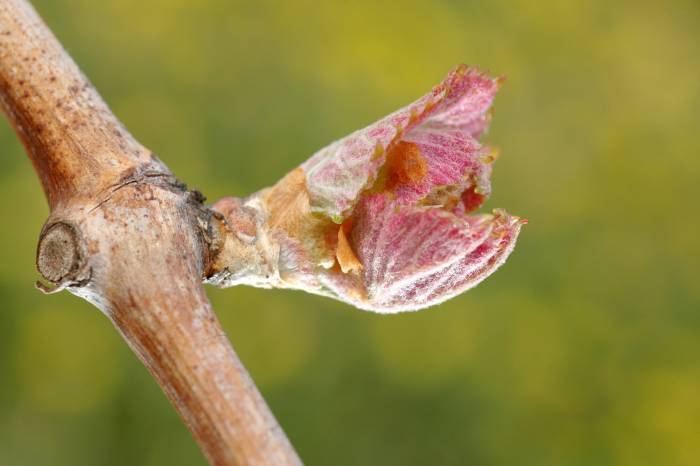
As spring arrives in wine regions across the Northern Hemisphere, vineyards begin to show the first signs of a new growing season. The process known as budbreak marks the end of winter dormancy for grapevines. During this stage, buds on the vine start to swell and eventually open, revealing the shoots that will develop into leaves and grape clusters. Budbreak is a critical moment for both the health of the plant and the quality of the upcoming vintage.
Budbreak typically occurs between March and April, depending on local climate conditions and grape variety. When temperatures rise above 50°F (10°C), sap begins to flow through the vine’s canes, triggering the buds to open. This period is especially sensitive because young shoots are vulnerable to late spring frosts. A sudden drop in temperature can damage or destroy these new growths, putting the entire harvest at risk.
Several factors influence when and how budbreak happens. Climate plays a major role, with mild winters and early springs often causing vines to awaken sooner than usual. This can increase the risk of frost damage. The type of grape also matters; varieties like Chardonnay tend to break bud earlier than others, making them more susceptible to cold snaps. Soil conditions and vineyard management practices also affect how evenly and successfully budbreak occurs.
To protect their vines, growers use a range of techniques. Some light anti-frost candles or install wind machines to circulate warmer air around the vines during cold nights. Others use overhead sprinklers that coat buds with a thin layer of ice, which helps insulate them from freezing temperatures. Careful pruning and soil management can also encourage more uniform budbreak across a vineyard.
For winemakers and vineyard managers, observing budbreak provides early clues about vine health and potential yields for the year. A smooth, even budbreak is often seen as a positive sign for flowering later in spring and for fruit set in summer. If weather conditions remain favorable and growers manage this delicate phase well, it sets the stage for a successful harvest in the fall.
The timing and success of budbreak are closely watched by professionals throughout wine regions such as Napa Valley, Bordeaux, Burgundy, and beyond. Each year brings its own challenges, but careful attention during these first weeks of growth can make a significant difference in both quantity and quality of grapes produced. As climate patterns shift and weather becomes less predictable, growers continue to adapt their strategies to protect this crucial stage in the life cycle of the vine.
