Champagne Telmont Achieves World’s First Regenerative Organic Certification as Only 8 Percent of Region Is Organic
Move signals potential shift in Champagne’s sustainability standards amid declining sales and rising demand for eco-friendly wines
Friday, January 16, 2026
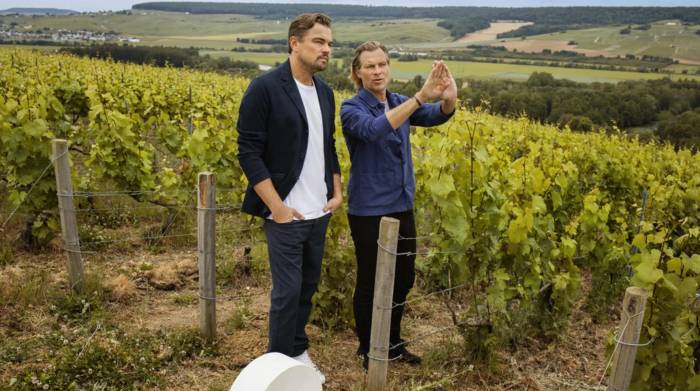
In early January 2026, Champagne Telmont announced it had become the first sparkling wine producer in the world to achieve Regenerative Organic Certified (ROC) status. This development marks a significant shift for the Champagne region, where organic viticulture remains rare. Currently, only about eight percent of Champagne’s vineyards are certified organic, according to data from the Comité Champagne.
The ROC certification was created in 2017 by the Regenerative Organic Alliance, a coalition of farmers, business leaders, and experts in soil health, animal welfare, and social fairness. Unlike other sustainability labels, ROC requires producers to already hold organic certification before applying. The certification process evaluates not only environmental practices but also social and economic factors.
Regenerative agriculture has gained momentum over the past decade as governments and consumers have pushed for more sustainable food production. After the Paris Agreement, there was increased pressure on agricultural sectors to reduce their carbon footprint and adopt healthier practices. The European Union responded by passing regulations that will require all wine producers to obtain a sustainability certification by 2030.
Despite these trends, most sustainability certifications in Champagne focus primarily on environmental goals. The region’s main ecological certification is Viticulture Durable en Champagne (VDC), which covers about 43 percent of vineyard land. VDC is stricter than France’s national Haute Valeur Environnementale (HVE) level 3 standard but still allows some pesticide use. Most major Champagne houses encourage their growers to obtain VDC certification, but do not require full ecological conversion as part of their grape contracts.
Some producers have sought broader certifications that include social responsibility. In recent years, Piper Heidsieck and Charles Heidsieck became the first Champagne houses to earn B-Corp status, followed by Bollinger and Mailly-Grand-Cru. B-Corp certification measures social and environmental performance but can be difficult for large corporations to implement due to its strict requirements.
Larger producers such as Möet-Hennessy, which owns several leading Champagne brands and is the region’s largest vineyard owner, have instead pursued regenerative certifications like RegenAgri. Regenerative farming focuses on restoring soil health and increasing biodiversity, which can improve vine resilience and crop quality. However, this approach faces challenges in Champagne, where herbicide use remains common despite previous commitments to phase it out.
The region had pledged to eliminate herbicides by 2025 but failed to meet this goal. Reports from last spring indicated that a significant portion of vineyards were still being treated with glyphosate, sometimes in violation of French law. The latest rules require a small buffer zone around each vine where herbicides cannot be sprayed, but critics say this does little to promote true soil regeneration.
Telmont’s new ROC status could signal a turning point for Champagne. The house has committed to converting all its partner growers to organic viticulture by 2031 and will now require them to meet ROC standards as well. This involves practices such as planting trees, collecting rainwater, using cover crops, promoting biodiversity, and ensuring fair working conditions for employees.
The move may encourage other organic-certified growers in Champagne to pursue ROC status. Eric Julion of Champagne Julion-Rigaut in Chamery said he already meets ROC requirements through his biodynamic practices and plans to add ROC certification alongside his existing Demeter label. With support from organizations like Ecocert and the Association des Champagnes Biologiques (ACB), industry observers believe Champagne could become Europe’s largest ROC-certified wine region.
Currently, about 22 percent of all French vineyards are certified organic—nearly three times the rate in Champagne. Telmont’s rapid transition shows that significant ecological change is possible within a few years rather than decades.
The timing may be critical for Champagne’s future. Sales have declined sharply over the past three years as younger consumers turn away from traditional brands they perceive as outdated or environmentally unfriendly. Market research indicates that Gen-Z and Millennial drinkers are more likely to choose wines with strong ecological credentials.
Telmont’s strong financial results in 2023 and 2024 suggest that embracing regenerative practices can also make economic sense for producers. Investors such as actor Leonardo DiCaprio have publicly supported Telmont’s efforts, calling its achievement “a major milestone for both Telmont and the entire Champagne region.”
Industry analysts are watching closely to see if other houses follow Telmont’s lead. If so, it could mark the beginning of a new era for one of France’s most famous wine regions—one defined by both environmental responsibility and renewed consumer interest.