German Alcohol Prices Among Europe’s Lowest, Fueling Cross-Border Shopping and Public Health Concerns
Low taxes and fierce retail competition keep beer, wine, and spirits affordable, despite calls for stricter regulation from health advocates
2026-01-08
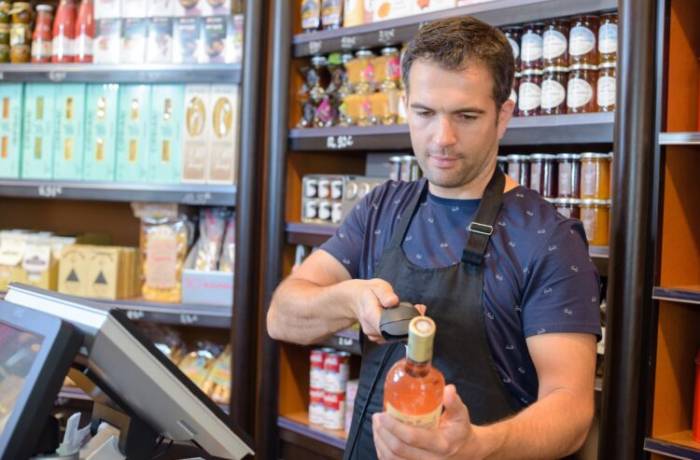
Alcohol prices in Germany remain among the lowest in Europe, according to recent reports from the beverage industry. The latest data, collected by Eurostat and industry associations, show that German consumers pay significantly less for beer, wine, and spirits compared to their neighbors in France, Denmark, or Sweden. This price gap is especially noticeable in border regions, where cross-border shopping for alcohol is common.
The low prices are due to several factors. Germany imposes relatively low taxes on alcoholic beverages. For example, the excise duty on beer and spirits is much lower than in many other European countries. Retail competition also plays a role. Supermarkets and discount chains like Aldi and Lidl offer a wide range of alcoholic drinks at competitive prices. This has led to a market where price wars are frequent, keeping costs down for consumers.
Industry experts say that the German government’s approach to alcohol taxation is shaped by tradition and economic interests. Beer has a long history in German culture, and the brewing industry is an important part of the economy. Policymakers have been reluctant to raise taxes or introduce minimum pricing, arguing that such measures would hurt local producers and retailers.
The affordability of alcohol in Germany has drawn attention from public health officials. They warn that easy access and low prices can contribute to higher rates of consumption and related health problems. According to the Federal Center for Health Education (BZgA), per capita alcohol consumption in Germany remains above the European average. Health advocates have called for higher taxes and stricter regulations, but so far there has been little political momentum for change.
In cities like Berlin, Munich, and Hamburg, it is common to see beer sold at convenience stores and kiosks around the clock. Many restaurants and bars also offer affordable drink specials. Tourists often comment on how inexpensive it is to enjoy local beers or wines compared to their home countries.
The beverage industry defends current pricing policies by pointing out that responsible drinking campaigns are widespread and that most consumers drink in moderation. Producers also argue that higher taxes would not only affect consumers but could also threaten jobs in brewing, winemaking, and retail sectors.
Despite ongoing debates about public health and economic impact, there are no immediate plans for significant changes to alcohol pricing or taxation in Germany. The country’s position as one of Europe’s cheapest places to buy alcohol looks set to continue for the foreseeable future.
