Supermarkets Sell Over 80% of Europe’s Wine at Prices Lower Than Bottled Water
Producers warn that ultra-cheap supermarket wine threatens small vineyards, regional heritage, and long-term industry sustainability across Europe.
2025-12-23
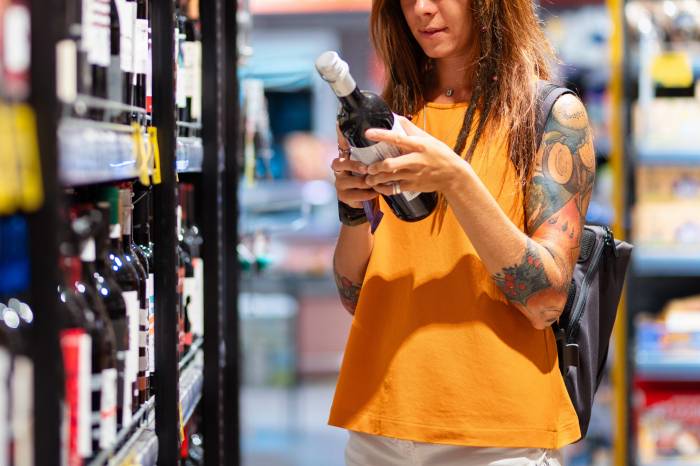
In recent years, European wine producers, especially small and medium-sized wineries, have raised concerns about the extremely low prices at which large supermarket chains sell wine. This situation has become increasingly visible across Europe, including the United Kingdom, where bottles of wine are often sold for less than the price of bottled water. The phenomenon is not limited to one country or region; it is widespread in major retail outlets from Spain and France to Germany and the UK. The question many in the industry are now asking is whether this model is sustainable for the wine sector as a whole.
The pricing paradox becomes clear when comparing supermarket shelves with specialized wine shops, restaurants, or direct sales at wineries. In these latter channels, prices tend to reflect the real costs of production: growing grapes, winemaking, aging, bottling, distribution, and a fair profit margin. However, in supermarkets, it is common to find bottles priced at 1.5 or 2 euros—sometimes even less. This has led to protests from producers who argue that such prices do not cover basic production costs.
Several factors explain how supermarkets can offer such low prices. One key reason is aggressive promotional strategies. Supermarkets often use wine as a loss leader—a product sold at or below cost to attract customers into stores. While selling below cost is technically illegal in some countries except under specific circumstances, these practices persist through temporary offers or by using legal loopholes. For example, in Spain, a well-known supermarket chain recently offered a bottle of Albariño D.O. Rías Baixas for 4.89 euros. Agricultural organizations pointed out that just the grapes needed for that bottle cost over two euros, leaving little room for other expenses like winemaking, bottling, logistics, taxes, and retailer margins.
Another factor is overproduction and stock liquidation. In several European regions, wine production has outpaced demand in recent years. This surplus forces some producers—especially cooperatives and large industrial wineries—to sell bulk wine at very low prices simply to clear inventory and generate cash flow. These bulk sales often end up as private-label wines on supermarket shelves at rock-bottom prices. In some cases, supermarkets have marketed wines as local products even though they were made with cheaper imported grapes.
Supermarkets also benefit from their enormous purchasing power and economies of scale. Large chains negotiate directly with producers or importers for huge volumes of wine, often across multiple countries. Their streamlined logistics and centralized buying allow them to reduce costs further than small retailers or independent wineries could ever match. In the UK market, for example, more than 80 percent of all retail wine sales now go through supermarkets—a figure that reflects both consumer habits and the dominance of big chains.
The quality of ultra-cheap wines is another part of the equation. Many wines sold at very low prices are basic table wines produced with high yields per hectare or lower-quality ingredients. While these products may be legitimately cheap to make, their presence alongside respected appellation wines on supermarket shelves can distort consumer perceptions about what wine should cost.
The impact of these pricing practices on the broader wine sector is significant. Producers are often forced to accept lower prices for their grapes or bulk wine if they want access to supermarket distribution channels. This pressure can be especially damaging for small family-owned vineyards that lack bargaining power and cannot achieve the same economies of scale as industrial producers.
In France’s Côtes-du-Rhône region, for example, growers have protested after being paid just 0.80 euros per liter for wine that was later sold in supermarkets for 1.69 euros per bottle—barely enough to cover production costs. Similar complaints have been voiced in Spain and Italy, where some producers say they are “selling at a loss” just to stay afloat.
The long-term consequences of this model could be severe for the European wine industry. If consumers become accustomed to paying only a few euros per bottle in supermarkets, it becomes difficult for higher-quality wines—those requiring more labor-intensive methods or lower yields—to command sustainable prices in the market. This risks devaluing not only individual brands but entire regions known for their winemaking heritage.
Some industry experts warn that continued downward pressure on prices could lead to a decline in vineyard maintenance and investment in quality improvements. Over time, this could erode Europe’s reputation as a source of diverse and high-quality wines.
While supermarkets argue that their business model benefits consumers by making wine more affordable and accessible, many producers see it as a race to the bottom that threatens the future viability of traditional winemaking communities across Europe.
As debates continue between retailers and producers—and as governments consider new regulations on pricing practices—the future of Europe’s wine sector remains uncertain. What is clear is that the current system poses serious challenges for those who grow grapes and make wine according to time-honored traditions. The question now facing policymakers and industry leaders is whether they can find a balance between affordability for consumers and sustainability for producers before more damage is done to one of Europe’s most iconic agricultural sectors.
