EU-Mercosur Trade Deal Covering 780 Million Faces Delay as Farmer Protests and French Opposition Mount
Concerns over food safety, agricultural imports, and political unity threaten to stall bloc’s largest trade pact in decades
2025-12-16
Negotiations over a major free-trade agreement between the European Union and the Mercosur bloc of South American countries are facing new obstacles as political tensions and farmer protests intensify in Europe. The deal, which has been under discussion for 25 years, aims to gradually eliminate tariffs on nearly all goods traded between the EU’s 27 member states and Mercosur’s five countries: Brazil, Argentina, Uruguay, Paraguay, and Bolivia. If ratified, it would create a market of 780 million people and account for about a quarter of global GDP.
Despite an agreement reached last year by negotiators, the deal still requires approval from all EU member states and the European Parliament. European Commission President Ursula von der Leyen and European Council President António Costa are scheduled to travel to Brazil on December 20 to sign the agreement. However, mounting opposition from farmers and several EU governments threatens to delay or derail the process.
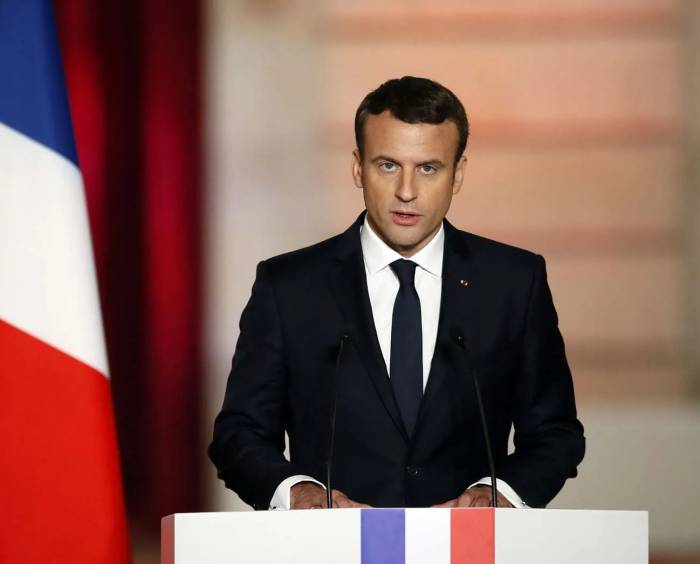
French Prime Minister Sébastien Lecornu announced on Sunday that France considers the current version of the deal “unacceptable.” He argued that conditions for a vote among EU leaders this week have not been met and called for a postponement that could push any decision into 2026 or later. France’s main concerns center on food safety standards and competition from South American agricultural imports. While the European Commission has introduced measures to protect farmers and increase inspections for banned pesticides, French officials say these steps do not go far enough.
Other countries, including Poland, Austria, and the Netherlands, share France’s reservations. They worry that Mercosur exporters could undercut European producers who must comply with stricter labor and environmental regulations. Alicia Gracia-Herrero, a senior fellow at Brussels-based think tank Bruegel Institute, said that France’s resistance highlights limits in the EU’s ability to act as a unified geopolitical force. She warned that further delays could undermine the EU’s credibility in ongoing trade talks with other partners such as Indonesia and India.
The timing of these tensions is significant. After the United States imposed new tariffs on most EU imports earlier this year, Brussels has sought to strengthen its position through bilateral trade agreements. Olof Gill, spokesperson for the European Commission, said that finalizing the Mercosur deal is crucial for maintaining the EU’s influence in global trade discussions. He emphasized that closer ties with Mercosur would help both regions address challenges related to climate change, economic security, and international trade rules.
Agriculture remains at the heart of the debate. The EU exported more than $270 billion worth of agricultural products in 2024. Many European farmers fear that opening markets to South American beef, soybeans, and other goods will threaten their livelihoods. Proponents of the deal argue it would save businesses over $4 billion annually in duties and boost exports of products like French wine and German pharmaceuticals.
To address these concerns, Brussels has proposed new protections for European farmers. These include reducing administrative burdens, distributing subsidies more fairly across member states, and allowing investigations if imported goods are sold at prices significantly below those of EU products. The commission also plans stricter border checks to ensure imports comply with EU pesticide regulations.
Despite these efforts, opposition remains strong among farmers’ unions and some national governments. Demonstrations are planned in Brussels this week as EU leaders gather for a summit meeting. In recent months, farmers have staged tractor blockades in several European capitals to protest against what they see as unfair competition from abroad—a movement that gained political traction ahead of this year’s European elections.
As negotiations continue, both supporters and critics of the deal are watching closely to see whether Europe can overcome internal divisions and finalize one of its largest-ever trade agreements with South America.

Founded in 2007, Vinetur® is a registered trademark of VGSC S.L. with a long history in the wine industry.
VGSC, S.L. with VAT number B70255591 is a spanish company legally registered in the Commercial Register of the city of Santiago de Compostela, with registration number: Bulletin 181, Reference 356049 in Volume 13, Page 107, Section 6, Sheet 45028, Entry 2.
Email: [email protected]
Headquarters and offices located in Vilagarcia de Arousa, Spain.