French Wine Regions Unveil Pact to Strengthen Ties With Local Governments Ahead of Elections
AOC winemakers urge mayors to support vineyards through urban planning, tourism initiatives, and climate adaptation measures in new proposal
2026-03-06
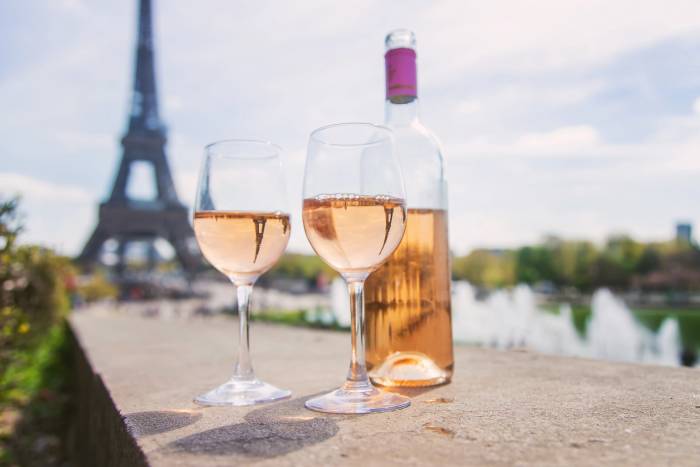
The French wine industry remains a major force in the country’s economy, despite facing significant challenges in recent years. According to the 2026 report by Vin & Société, the sector generates €32 billion in added value, representing 1.4% of France’s GDP. It supports 440,000 jobs, or 2% of the national workforce, and produces an annual turnover of €92 billion. The industry also contributes €6.4 billion in tax revenue to public finances and stands as France’s third-largest export sector when including spirits, with 40% of production destined for international markets.
France’s vineyards cover 734,000 hectares, accounting for 11% of the world’s total vineyard area. There are 59,000 wine-producing companies operating across the country. Wine tourism is another key asset, attracting 12 million visitors each year. Of these, one in three international tourists say that wine was a decisive factor in choosing France as a destination.
Despite these impressive figures, the sector is experiencing a period of uncertainty. Consumption patterns have shifted dramatically over the past decades. The Vin & Société report highlights that wine consumption has dropped by 77% since 1960 and by 41% since 2000. Today, nine out of ten French people drink fewer than ten glasses of alcoholic beverages per week, and eight out of ten consume no more than two glasses on days they choose to drink. This trend is especially pronounced among younger generations: excessive alcohol consumption among seventeen-year-olds fell by 40% between 2011 and 2022, while the proportion of abstinent seventeen-year-olds has quadrupled over the past twenty years.
Nevertheless, wine remains deeply embedded in French culture. According to recent surveys, 94% of French people consider wine part of their national identity, while 84% see it as integral to the French way of life. Additionally, 92% believe wine projects a positive image of France internationally and contributes significantly to the attractiveness of French regions for tourists. The industry is also viewed positively in terms of its production methods: 74% describe it as “artisanal,” and 75% believe it is environmentally responsible.
However, this positive image faces challenges from overproduction, changing consumer preferences, market instability, and international tensions affecting exports. In response to these issues, the Confédération Nationale des Producteurs de Vins et Eaux-de-vie de vin à Appellation d’Origine Contrôlée (Cnaoc), known as “Maison de Vignerons,” presented a new initiative at the Congress of Mayors held in Paris on November 19. The initiative is a comprehensive pact developed by all 386 French AOC (Appellation d’Origine Contrôlée) regions ahead of municipal elections scheduled for March 15 and March 22.
Jérôme Bauer, an Alsatian winemaker and president of Cnaoc, emphasized that AOC designations are more than just economic pillars; they shape development and identity in over 20,000 French municipalities—65% of French vineyards are under AOC status. Bauer called for renewed dialogue between elected officials and winegrowers to address current challenges.
The “Pact for Wine Regions” was developed with input from all eighteen regional AOC federations and outlines ten key proposals for future mayors. These include strengthening local defense and management organizations (Odg) to participate in urban planning decisions affecting vineyards; raising awareness about “Stecal” zones—specific areas within municipal plans that allow economic or wine tourism activities in otherwise non-buildable agricultural land; encouraging municipalities to implement Protected Agricultural Zones (Zap) to shield vineyards from urban expansion; and considering climate change impacts on agricultural activities and community relations.
The pact also addresses wine tourism development. With one-third of France’s estimated 100 million foreign tourists citing wine as a reason for their visit, proposals include supporting rural access improvements, helping wineries achieve high-quality wine tourism certification (“Vignobles & Découvertes”), simplifying licensing for alcohol sales in rural areas, and establishing clear regulations for tasting during winery visits.
Bauer described the pact as a framework for collaboration between elected officials and the wine sector to preserve terroirs, revitalize villages, and strengthen ties between viticulture, culture, and tourism. He stressed that AOC viticulture is an economic, social, and cultural engine that requires close cooperation with local communities. Bauer also highlighted that AOC status should be seen not as a constraint but as a tool for territorial planning. He called on mayors to play an essential role in fostering harmonious coexistence within the wine sector through collaborative urban planning, neighborhood management, seasonal employment support, tourism promotion, responsible consumption advocacy throughout the year, and improved signage.
As France prepares for upcoming municipal elections, the future direction of its wine industry will depend on how local governments respond to these calls for partnership and adaptation amid evolving economic realities and consumer habits.

Founded in 2007, Vinetur® is a registered trademark of VGSC S.L. with a long history in the wine industry.
VGSC, S.L. with VAT number B70255591 is a spanish company legally registered in the Commercial Register of the city of Santiago de Compostela, with registration number: Bulletin 181, Reference 356049 in Volume 13, Page 107, Section 6, Sheet 45028, Entry 2.
Email: [email protected]
Headquarters and offices located in Vilagarcia de Arousa, Spain.