Why Authenticity and Speed Now Define Wine and Spirits Marketing
Labels, servers and digital content must explain products in seconds, not speeches
Friday, December 12, 2025
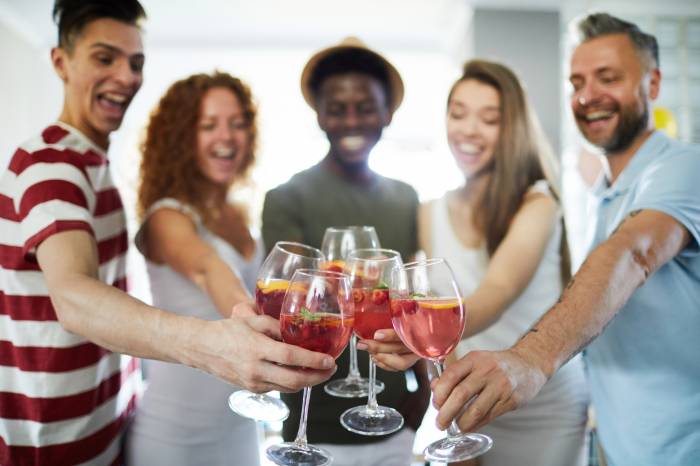
Wineries, breweries, distilleries, and ready-to-drink beverage producers are entering 2026 facing a new reality that is shaping both sales and production decisions. Young adults from Generation Z are deeply connected to their phones, consuming content in rapid bursts and navigating an ecosystem where algorithms determine what they see, ignore, or repeat. This way of getting information and entertainment is not only changing advertising strategies; it is also influencing which products are tried for the first time, how drinks are ordered at the bar, what formats are shared on social media stories, and why a brand earns—or loses—trust.
Many of these consumers spend several hours a day online, switching between short videos, messages, live streams, and automated recommendations. In this environment, wine competes with constant stimuli and beverages that can be explained in a single sentence. For wineries, this means that the traditional long narrative about terroir, grape varieties, and aging remains useful but usually comes later. The first message must be clear and understandable in just a few seconds. It should not sound like an advertisement and must answer practical questions: what is it, what does it taste like, how is it served, what food does it pair with, how much alcohol does it contain, and when is it best enjoyed.
Labels and back labels have regained importance as commercial tools but now require a more direct approach. The same applies to wine lists and the information provided by servers when recommending a glass to someone who does not want to “study” before choosing. Authenticity—understood as consistency between words and actions—serves as the main filter for this generation. Gen Z quickly detects posturing, empty rhetoric, or attempts to mimic their language without conviction.
In alcoholic beverages, authenticity is measured by easily verifiable facts: where the grapes or grains come from, how vineyards are managed, decisions made in the winery or distillery, what additives are used or avoided, certifications held and their implications. Commercial transparency also matters: real availability of limited editions, delivery times, return policies for online sales, and clear pricing by glass or bottle.
When brands promise sustainability, young consumers often ask for simple data rather than slogans: bottle weight, percentage of recycled glass used, logistics details, water and energy consumption figures or packaging changes. They compare these facts with other brands in seconds.
The shift is not only about messaging but also about channels and pace. Instead of repeating the same content everywhere, companies that succeed with Gen Z adapt their material to each platform and consumption moment. An ultra-short video might show in 12 seconds how to chill a white wine without watering it down or how to serve sparkling wine without losing half the bottle. Slightly longer formats can show real harvest tasks or blending decisions without solemnity. Live streams allow for questions and answers; interaction becomes part of the value proposition. Listening is as important as speaking.
This approach requires resources and method but helps avoid wasting budgets on campaigns that do not go beyond the first impression. Collaborations with content creators—common in the beverage sector—also need a new focus. Instead of imposing scripts or staged photos with bottles, brands see better results when creators share real visits or simple tastings using their own language without exaggeration.
In wine marketing especially, authenticity works best when creators can show an actual visit to a winery or bar where wine is served by the glass. Recognizing what a product is not also helps: a young red wine does not need to pretend complexity; a spirit can be explained through its use in cocktails rather than listing botanicals no one remembers.
Brand loyalty exists but must be earned through consistency: same ideas, same tone, and ongoing engagement beyond campaign periods.
Gen Z’s behavior is also pushing producers to review product ranges and formats. Purchases may be personal or shared and often planned for specific occasions. This has led to increased popularity of 500 ml bottles, cans in suitable categories, mixed packs for sampling without risk, and lower-alcohol or alcohol-free options for alternating during an evening out. These trends vary by market and channel but are now factored into forecasts for sales by time slot or type of event—whether terraces, festivals, concerts or home gatherings.
In hospitality settings, a well-served glass with a clear explanation becomes an entry point for new consumers. Producers can support this with brief training sessions for staff and practical materials that do not resemble technical manuals.
The era of rapid content brings challenges too: misinformation spreads quickly through manipulated videos or fake reviews that can damage small businesses over a weekend. Many brands are strengthening their own channels with verifiable information—traceability data, real process photos and videos—and clear policies for handling product issues.
Transparency is equally important when discussing health and responsible consumption—a sensitive area with young people. Communication should be serious: age controls on digital campaigns are essential; messages should avoid encouraging excess; products must be clearly marketed as intended for adults without sounding preachy.
At the same time there is opportunity beyond mobile screens: offering short experiences that are easy to book provides real “disconnection.” Examples include 45-minute visits focused on two wines; aperitif workshops featuring vermouth; or introductory cocktail classes using house spirits. These experiences should fit young adults’ schedules with reasonable timing and pricing plus direct language—and allow sharing without feeling staged or artificial.
When such visits end the relationship continues if brands make repurchasing easy through user-friendly websites, straightforward subscriptions without hidden terms or timely notifications about new releases—with clear information that avoids overpromising.