Burgundy Wine Center Draws Less Than Half Expected Visitors, Reaching Only 86,000 in 2024
Shortfall prompts leadership change and strategic overhaul as officials seek to revitalize Beaune’s €17 million cultural investment
2025-12-09
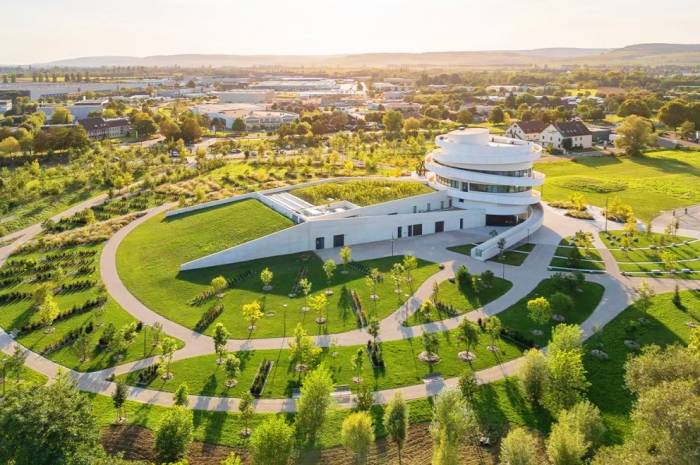
The Cité des Climats et vins de Bourgogne in Beaune is facing a significant challenge as visitor numbers have fallen well short of expectations. In 2024, only 86,000 people visited the three sites in Beaune, Chablis, and Mâcon, far below the target of 180,000. This shortfall has prompted an internal audit and a shift in strategy at the end of the year.
Laurent Delaunay, president of the Comité Bourgogne, acknowledged that relying solely on the reputation of Burgundy wines was a mistake. He emphasized that the Cité must become a key communication tool for the wine industry to reach the general public. To support this new direction, Édouard Mognetti was appointed as the new director in late November. Mognetti, 38, previously led the School of Wine & Spirits Business in Dijon and worked with the Interprofession des vins du Centre Loire. His commercial background is expected to help boost the site’s appeal and revitalize the École des Vins de Bourgogne, which is based at the Cité. He is also tasked with re-engaging local stakeholders and elected officials.
Some observers have pointed to a lack of involvement from Beaune’s city hall as a factor in the Cité’s struggles. They note that initial plans for a new neighborhood around the Cité did not materialize, nor did joint ticketing with the popular Hospices de Beaune, which attracts about 400,000 visitors annually. There have also been complaints about irregular shuttle service between downtown Beaune and the Cité.
In response to these criticisms, Charlotte Fougère, deputy mayor of Beaune responsible for culture and major projects, issued a statement defending the city’s role. She explained that Beaune fully managed construction of the Cité, which covers about 5,400 square meters and cost around 17 million euros. The city remains owner of the building and invested an additional 3 million euros in creating Parc de la Chartreuse, a nearly 10-hectare urban park surrounding the site. Fougère highlighted further private investment in nearby projects such as a new hotel and an event hall capable of hosting up to 2,000 people.
Fougère stressed that while operational management of the Cité is handled by an association representing Burgundy’s wine sector, Beaune continues to support infrastructure and neighborhood development. She rejected claims that city hall had disengaged from the project and said that any suggestion municipal elections could change its future was unfounded. According to Fougère, without Beaune’s leadership and investment from the start, the Cité would not exist.
Despite these assurances from city officials, industry leaders remain concerned about low attendance figures. The gap between projections and reality has led both public authorities and wine professionals to reconsider their approach. With municipal elections approaching and renewed commitment from Burgundy’s wine sector, there is hope that changes in management and strategy will help attract more visitors in 2026.
The situation at Beaune stands in contrast to earlier confidence that its strong local wine ecosystem would protect it from challenges faced by similar attractions elsewhere in France. The experience has shown that even regions with global reputations must adapt their strategies to meet changing expectations from tourists and locals alike. As efforts continue to improve programming and partnerships with other cultural sites such as the Hospices de Beaune, stakeholders are watching closely to see if these changes will reverse recent trends and secure a brighter future for this ambitious project.

Founded in 2007, Vinetur® is a registered trademark of VGSC S.L. with a long history in the wine industry.
VGSC, S.L. with VAT number B70255591 is a spanish company legally registered in the Commercial Register of the city of Santiago de Compostela, with registration number: Bulletin 181, Reference 356049 in Volume 13, Page 107, Section 6, Sheet 45028, Entry 2.
Email: [email protected]
Headquarters and offices located in Vilagarcia de Arousa, Spain.