Languedoc-Roussillon Vineyards Navigate Extreme Weather in 2025 Harvest
Spring rains and summer heatwaves shape grape quality and yields as climate challenges persist for southern French winegrowers
2025-09-09
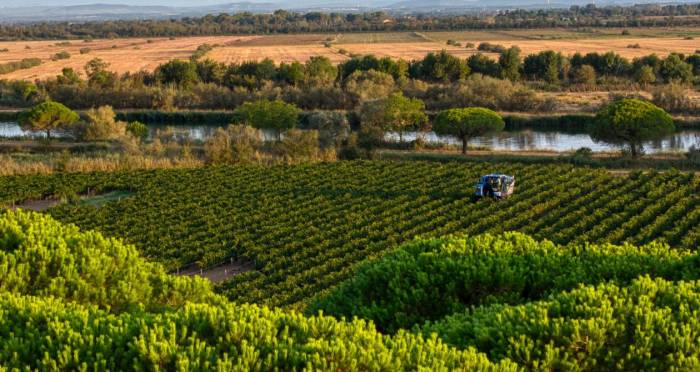
The 2025 grape harvest in Languedoc-Roussillon is underway, following a year marked by unusual weather patterns. After a rainy spring that replenished groundwater reserves, the region’s vineyards faced one of the hottest summers ever recorded in France. Despite the heat, most growers report that both the quantity and quality of grapes have been preserved, though some areas experienced setbacks due to storms and shifting harvest schedules.
Growers across the region credit the heavy rainfall in May and June for saving their crops. These rains provided enough water for vines to withstand the intense heat waves of July and August. “The May and June rains saved us,” said one local grower. While the high temperatures accelerated grape ripening, most vineyards managed to hold up well. However, violent storms in mid-August disrupted the harvest calendar, forcing some producers to delay or speed up picking.
On the coastal sands, Chloé Leygues of Domaine Terre de Sables described this year as “stressful.” She explained that after an ideal start to the year with rain, July brought intense heat. Harvesting began quickly in mid-August but was interrupted by weekly rainfalls of about 20 millimeters. Now, she and her team are waiting for sugar levels to rise again before finishing the harvest, hoping for more rain to help complete picking.
In the Terrasses du Larzac area to the north, Franck Launay of Domaine Le Chemin expressed relief at how his vines fared. He noted that despite two major heatwaves in June and August, water reserves built up over the past 18 months helped prevent damage similar to what occurred in 2022. Syrah grapes remain vulnerable in hot years, but Carignan varieties look promising. The only major setback was a storm on August 31 in Arboras, which brought 50 millimeters of rain in minutes along with hail and property damage. “We had to bring in what was left quickly to avoid rot,” Launay said.
In Corbières, Adrien Tyou of Domaine Montluzia reported small yields but high quality. “It’s small in quantity like last year, but quality is better—the grapes are beautiful,” he said. Sugar levels spiked in early August but stabilized after late-month rains. Acidity levels are good and fermentations are progressing well so far.
In Vingrau, northern Roussillon, Thomas Mangin of Domaine Torredemer-Mangin described a different scenario. He reported better yields than last year—about 25 hectoliters per hectare—and overall good quality. Rainfall on August 15 and during the following weeks delayed harvesting by about two weeks compared to other parts of Roussillon. Muscat grapes show good freshness, but Macabeu and Grenache suffered from poor fruit set and limited yields. “We just started picking reds this week,” Mangin said.
Across Languedoc-Roussillon, growers agree that water made all the difference this year. The spring and August rains slowed ripening, recharged soils, and helped preserve freshness in the grapes. White varieties were more affected by weather extremes than reds, but overall acidity levels are better maintained than in previous hot years like 2022.
Despite these positive signs, yields vary widely from one area to another and may not be enough to make up for losses suffered in 2024. The situation highlights ongoing climate challenges for southern French vineyards—a point underscored by Agnès Pannier-Runacher, France’s Minister for Ecological Transition—who has called for new strategies to cope with increasingly extreme weather conditions affecting agriculture across the country.
