Global Wine Barrel Market Set to Hit $1.69 Billion by 2029 Amid 7.6% Annual Growth
Sustainability, digital innovation, and rising global beverage consumption drive expansion as Asia-Pacific emerges as fastest-growing region
2025-12-23
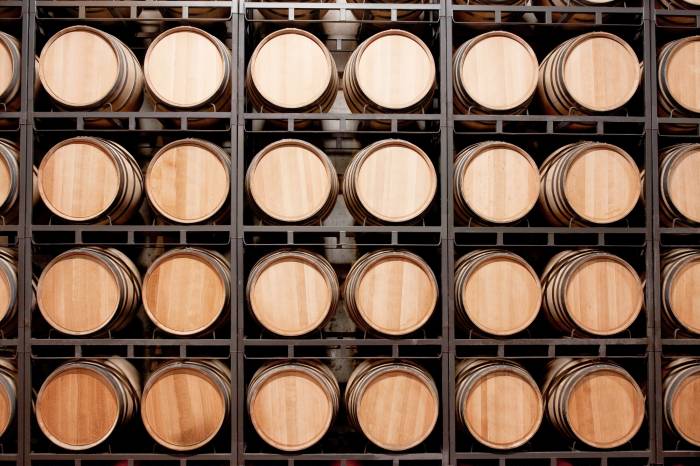
The global wine barrel market is showing strong growth, with industry analysts projecting its value to reach $1.69 billion by 2029. This represents a compound annual growth rate of 7.6% from 2024, according to a recent report by The Business Research Company. The market was valued at $1.17 billion in 2024 and is expected to rise to $1.26 billion in 2025, reflecting steady demand and ongoing innovation in the sector.
Several factors are driving this expansion. Winemakers and beverage producers are increasingly seeking sustainable and innovative solutions for aging their products. There is a growing preference for eco-friendly barrels, as well as the adoption of smart sensors that monitor barrel conditions during the aging process. These technologies help producers maintain quality control and optimize wine maturation.
The market is also seeing a shift toward alternative materials beyond traditional oak barrels. Producers are experimenting with different woods to create unique flavor profiles, while customized barrels tailored to specific wine varieties are gaining popularity among winemakers who want to offer distinct taste experiences. Reusable barrels are becoming more common as the industry focuses on reducing environmental impact and meeting sustainability goals.
Digital tools are playing a larger role in the wine barrel market as well. These innovations allow for precise monitoring and management during the aging process, helping winemakers refine their products and ensure consistency. Additionally, oak sourced from new geographic regions is being used more frequently, providing fresh options for flavor development and expanding the range of wines available to consumers.
Wine barrels remain essential in the production of high-quality wines. Traditionally made from oak, these barrels are used for fermenting, aging, and storing wine. The interaction between wine and wood imparts complex flavors and aromas, while also clarifying and stabilizing the beverage naturally. The barrel’s role in oxygenation further refines the texture and bouquet of the final product.
Rising global consumption of alcoholic beverages is another key factor supporting market growth. Changing social habits, higher disposable incomes, urbanization, and a shift toward premium and craft beverages have all contributed to increased demand for wine, beer, spirits, and other liquors. Wine barrels play a crucial role in developing the flavor, aroma, and texture of these drinks during the aging process.
Recent data from Statistics Canada highlights this trend. In the fiscal year 2022, retail and liquor authority sales of alcoholic beverages reached $26.1 billion, up 2.4% from the previous year. Wine sales alone rose by 2.1%, totaling $8.1 billion over 2021 and 2022. These figures illustrate how growing beverage consumption is directly impacting demand for wine barrels worldwide.
Geographically, North America held the largest share of the wine barrel market in 2024, supported by strong demand and established production infrastructure across the region. However, analysts predict that the Asia-Pacific region will experience the fastest growth through 2029 as consumer preferences evolve and local industries expand.
The global evaluation of the wine barrel market includes key regions such as Asia-Pacific, Western Europe, Eastern Europe, North America, South America, the Middle East, and Africa. This broad analysis provides insight into how different markets are contributing to overall industry growth.
As winemakers continue to innovate with new materials, digital tools, and sustainable practices, the wine barrel market is expected to remain dynamic over the next several years. The combination of rising global beverage consumption and ongoing technological advancements positions this sector for continued expansion through 2029.

Founded in 2007, Vinetur® is a registered trademark of VGSC S.L. with a long history in the wine industry.
VGSC, S.L. with VAT number B70255591 is a spanish company legally registered in the Commercial Register of the city of Santiago de Compostela, with registration number: Bulletin 181, Reference 356049 in Volume 13, Page 107, Section 6, Sheet 45028, Entry 2.
Email: [email protected]
Headquarters and offices located in Vilagarcia de Arousa, Spain.