









Wine retailers brace for impact as new tariffs hit imported bottles across the United States
Industry faces uncertainty over pricing, supply, and consumer demand as trade negotiations and economic pressures continue
2025-09-01
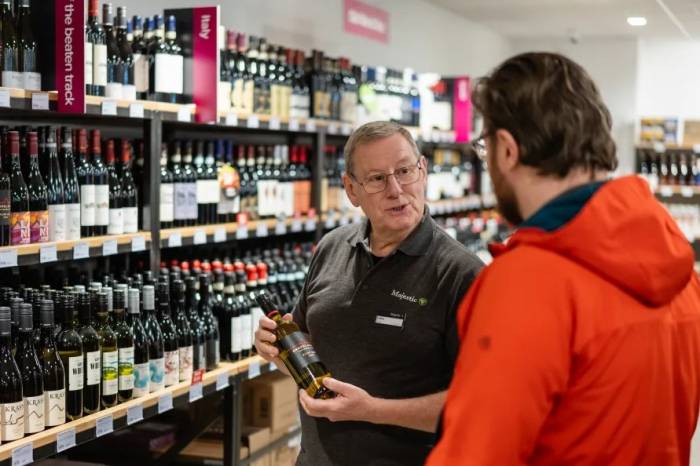
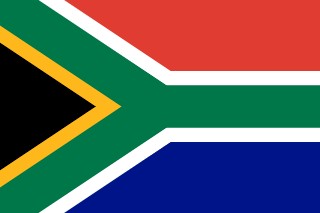
Wine retailers across the United States are preparing for the effects of new federal tariffs on imported wines, adding to a growing list of challenges facing the beverage alcohol industry. The latest round of tariffs, implemented on August 7, targets wines from major producers in the European Union, New Zealand, and Israel with a 15% rate. Wines from Australia, Argentina, and Chile remain subject to a baseline 10% tariff introduced in April, while South African wines now face a steep 30% tariff. These measures come as U.S. and foreign governments continue to negotiate trade agreements.
At Fine Wine & Good Spirits stores operated by the Pennsylvania Liquor Control Board (PLCB), imported wine sales have already shown signs of strain. According to PLCB chairman Darrell Clarke, dollar sales of imported wines in Pennsylvania dropped 6.3% year-to-date through August 19, with unit sales down 8%. The PLCB is the largest wine buyer in the country, making its data a key indicator for national trends. Leading imported brands such as Yellow Tail and Cavit have seen double-digit declines in both volume and sales at PLCB stores. However, some brands like Black Box, La Marca Prosecco, and Kim Crawford Marlborough Sauvignon Blanc have managed modest gains.
Clarke notes that the full impact of the tariffs has yet to be felt by consumers. “All of the items on our shelves right now were purchased before implementation of tariffs, and we have had no requests from suppliers to increase costs or retail prices due to tariffs,” he said. He added that it will likely take more time for price changes to reach individual product categories and brands.
The uncertainty is echoed by online retailers. At Wine.com, based in San Francisco and recognized as the largest online wine retailer in the U.S., imports account for more than half of all wine sales. CEO Mark Pinho says that while consumer buying patterns have not shifted dramatically, there is increased caution within the industry about who will ultimately bear the cost of higher tariffs. “We have seen average selling prices in the past year going up across the board and that might be contributing to consumers purchasing less,” Pinho said.
When initial tariff announcements were made in March, Wine.com experienced a brief surge in French and Italian wine sales as customers rushed to buy before potential price hikes. However, this spike was short-lived and did not result in a lasting shift between domestic and imported wine sales. Pinho also observed that while Northern California wine sales volume has increased on Wine.com, overall dollar sales have remained flat due to heavy discounting amid an oversupply of California wines.
Despite these discounts, demand for imported wines remains strong among Wine.com customers. French Bordeaux leads sales, followed by other French regions and Italy. Top-selling brands include Chateau Lafite Rothschild, Veuve Clicquot Yellow Label Brut, and Tenuta San Guido Bolgheri Sassicaia.
Pinho points out that high tariffs could significantly affect access to certain wines, particularly those from South Africa. He believes that at lower price points consumers may switch to alternatives if tariffs drive up costs, but at higher price points buyers are less sensitive to increases.
Retailers on the ground share similar concerns about how tariffs will affect different segments of the market. Ryan Maloney, owner of Julio’s Liquors in Westborough, Massachusetts, says that while some larger producers may absorb tariff costs temporarily, smaller producers and importers are less able to do so. If they cannot absorb these costs, retailers may face tighter margins or be forced to pass price increases on to consumers.
Maloney also highlights broader issues facing the alcohol industry beyond tariffs. These include competition from recreational cannabis, declining alcohol consumption rates, and economic uncertainty. He suggests that industry stakeholders should work together to address these challenges collectively rather than focusing solely on trade policy.
As negotiations over trade agreements continue and existing inventory purchased before tariff implementation is sold through, retailers expect more clarity on how prices and consumer behavior will be affected in coming months. For now, both large-scale buyers like the PLCB and independent retailers are watching closely as they navigate an increasingly complex market environment shaped by global trade policy and shifting consumer trends.
