














Puglia grape harvest rebounds with strong Primitivo yields and improved quality in 2025
Production rises after last year’s decline but economic pressures and market instability continue to challenge local wine sector
2025-08-28
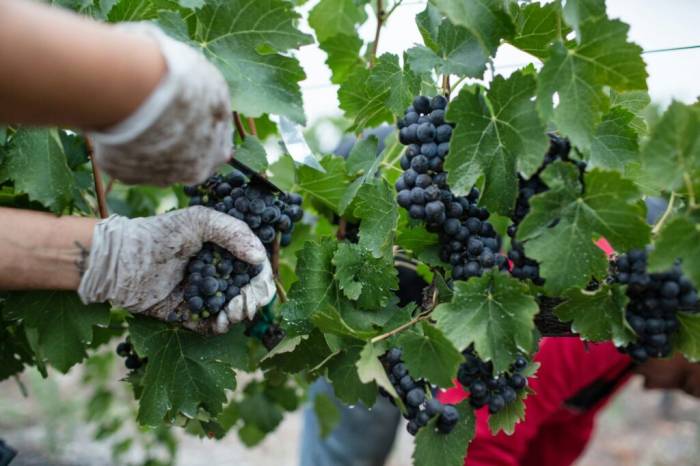
The 2025 grape harvest has officially begun in Puglia, with the picking of Primitivo grapes marking the start of the season. Primitivo is one of the region’s most important grape varieties and ranks as the second most popular wine among Italian consumers. According to Coldiretti Puglia, this year’s harvest is expected to be positive both in terms of quality and quantity. Production is forecast to increase by 20% compared to 2024, thanks to favorable weather conditions. Higher-than-average temperatures and low humidity have contributed to healthy and even ripening of the grape clusters.
Primitivo from Puglia continues to play a leading role in Italy’s wine market. It is not only favored by consumers but also shows strong commercial performance. In large-scale retail, Primitivo wines have seen a 12.6% increase in value, reflecting a growing preference for native wines with strong local identity.
This year’s harvest marks a significant turnaround after the sharp decline experienced in 2023, when regional production dropped by 37% and reached just 6.9 million hectoliters—one of the lowest figures in recent history for Puglia’s vineyards. Coldiretti estimates that production this year will reach around 11 million hectoliters. While this remains below historical averages, it represents a notable recovery, though still about 15% lower than pre-crisis levels.
The harvest began with Chardonnay and Negroamaro grapes and now continues with Primitivo and Susumaniello. In September and October, later-ripening varieties such as Nero di Troia, Bombino Nero, and Aglianico will be picked. This extended calendar provides important job opportunities not only for those directly involved in vineyards and wineries but also for related sectors such as training, research, tourism, cosmetics, bioenergy, and communications.
Despite these positive signs, concerns remain high among producers regarding the economic stability of the sector. Grape prices are considered too low while production costs continue to rise due to increased needs for irrigation, protection against adverse weather events, and adaptation to new environmental requirements. Alfonso Cavallo, president of Coldiretti Puglia, emphasized the importance of the regional vineyard registry as a key tool for understanding the sector’s real situation and developing effective strategies for the supply chain. He called for stronger measures to support quality and competitiveness.
Pietro Piccioni, regional director of Coldiretti, also pointed out risks linked to historically high stock levels and declining domestic consumption. This combination could put further pressure on prices, discourage investment, and slow down progress in the sector. Even with a promising year in terms of quality, market stability remains fragile as producers navigate ongoing challenges.
