














Birds and bats found to significantly reduce vineyard pests and crop losses in Hungary
Study highlights benefits of natural predators and landscape management for sustainable grape production and reduced pesticide use
2025-08-22
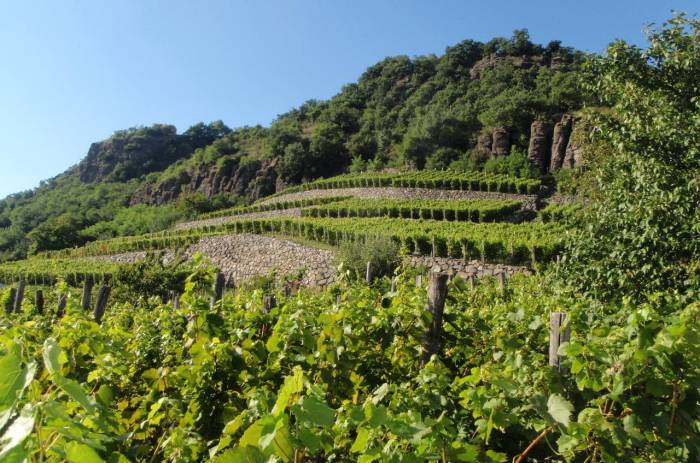
A recent study conducted by the HUN-REN Center for Ecological Research in Hungary and the University of Milan has found that birds and bats play a significant role in reducing pest populations and crop losses in vineyards. The research, published in the Journal of Applied Ecology, focused on vineyards in Hungary and compared different farming practices and landscape types to assess the impact of these flying predators.
Researchers set up experiments in both organic and integrated vineyards, located in areas with varying degrees of forest cover. They used cages to exclude birds and bats from certain grapevines, allowing them to measure the difference in pest damage between protected and unprotected plants. The results showed that vines accessible to birds and bats experienced less leaf and fruit damage, indicating that these animals help control pest populations naturally.
The study found that forested landscapes were particularly favorable for bat activity, especially during the spring. Bats were observed to reduce the presence of grapevine moths, a common vineyard pest, which had a direct positive effect on grape yields. Birds also contributed to pest control throughout the growing season. The researchers noted that maintaining connected landscapes with native deciduous forests, hedgerows, and small groups of trees can support higher populations of these beneficial predators by providing food sources and suitable nesting or roosting sites.
Lead researcher Dávid Korányi explained that the presence of birds and bats can be encouraged through thoughtful landscape management. He emphasized that these natural predators offer economic benefits to farmers by reducing the need for chemical pesticides and minimizing crop losses.
The study also highlighted differences between organic and integrated vineyard management. Senior author Péter Batáry pointed out that organic practices, which avoid herbicides and synthetic insecticides, further enhance pest control services by supporting beneficial arthropods. This approach strengthens natural predation pressure on pests, making vineyards more resilient without relying heavily on chemical inputs.
The findings come at a time when modern agriculture faces criticism for its intensive methods, including increased pesticide use, which threaten biodiversity and ecosystem functions. Vineyards are particularly vulnerable due to their exposure to multiple pests and the slow adoption of sustainable farming methods.
The research suggests that integrating natural pest control strategies with sustainable vineyard management can help protect crops while preserving biodiversity. By fostering environments where birds and bats thrive, grape growers may reduce their dependence on chemical pesticides and improve both ecological health and economic outcomes.

Founded in 2007, Vinetur® is a registered trademark of VGSC S.L. with a long history in the wine industry.
VGSC, S.L. with VAT number B70255591 is a spanish company legally registered in the Commercial Register of the city of Santiago de Compostela, with registration number: Bulletin 181, Reference 356049 in Volume 13, Page 107, Section 6, Sheet 45028, Entry 2.
Email: [email protected]
Headquarters and offices located in Vilagarcia de Arousa, Spain.