New Book: Mastering ORP in Winemaking
Agrovin Breaks New Ground with ORP Book
Wednesday, August 21, 2024

Views › 1098
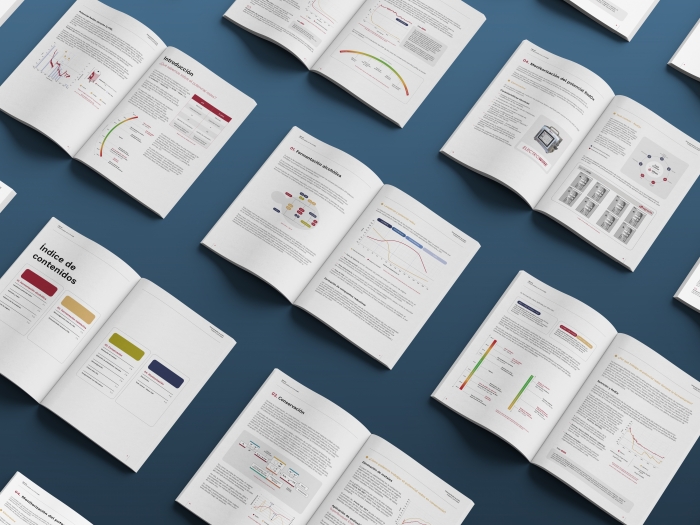
Agrovin, a company with a long-standing reputation in providing advanced winemaking solutions, has recently released a landmark publication titled "ORP in Wine: In-Depth Analysis." This groundbreaking book addresses a significant knowledge gap in the field of oenology, focusing on Oxidation-Reduction Potential (ORP) and its impact on the winemaking process. As the first of its kind, this publication stands as an essential resource for professionals seeking to enhance the quality of their wines through a deeper understanding of ORP.
The significance of this book cannot be overstated. ORP, though a critical factor in winemaking, has remained largely underexplored in practical documentation, leaving a void in the knowledge base that many winemakers have had to navigate without comprehensive guidance. ORP influences a myriad of biochemical and physical processes, each of which can dramatically affect the final product in the bottle. These include the metabolism and growth of yeasts, the activity of enzymes, and the stability of phenolic compounds—all of which contribute to the wine's flavor, aroma, and overall quality.
Agrovin's publication is the culmination of over a decade of rigorous research and hands-on experimentation. The book meticulously documents the findings and insights gained by the Agrovin team, offering a detailed analysis of ORP's role at every stage of winemaking. It is structured to guide the reader through the complexities of ORP management during alcoholic fermentation, malolactic fermentation, and wine preservation.
One of the key contributions of this work is its practical applicability. The book does not merely present theoretical insights but also offers actionable strategies for monitoring and controlling ORP in various winemaking scenarios. This includes techniques for managing the risk of unwanted oxygenation or reduction, both of which can significantly impact the sensory and chemical qualities of wine. The detailed guidance provided allows winemakers to not only understand the ORP levels of their wines but to actively control and optimize them to achieve desired outcomes.
The pioneering nature of "ORP in Wine: In-Depth Analysis" lies in its holistic approach. It covers a broad spectrum of topics related to ORP, including its influence on biocontrol, microbiological stability, aging potential, and the preservation of aromatic profiles. Furthermore, it delves into the practical aspects of process control and the management of winemaking products, making it a comprehensive tool for professionals who are committed to refining their craft.
For those in the winemaking industry, this book offers more than just information; it provides a pathway to greater control over the winemaking process. By understanding and managing ORP, winemakers can improve not only the consistency and quality of their products but also the overall efficiency of their operations. This publication represents a significant advancement in the field of oenology, bridging the gap between scientific research and practical application.
Available exclusively through the Agrovin app, "ORP in Wine: In-Depth Analysis" is a must-read for oenologists and winemaking professionals eager to leverage the latest research in their pursuit of excellence. As the only publication currently available on this topic, it sets a new standard for educational resources in the wine industry, ensuring that Agrovin remains at the forefront of innovation in winemaking solutions.