The costly aftermath of alcohol duty hikes in the UK
Treasury faces a £600m shortfall
Wednesday, February 21, 2024

Views › 1545
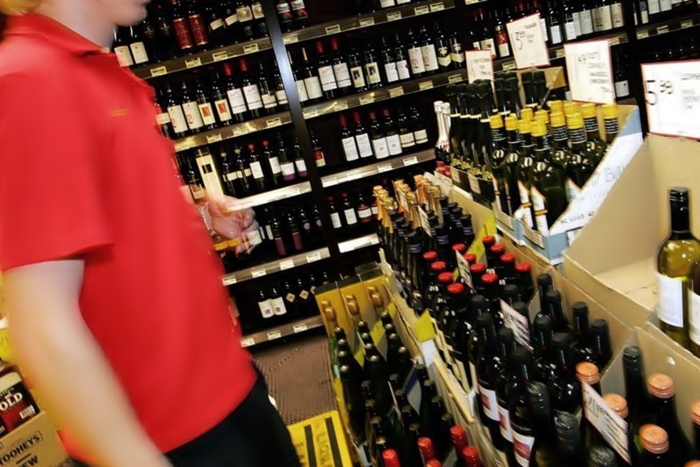
In the cozy, dimly-lit corners of British pubs and the elegant aisles of wine shops across the UK, a pressing issue bubbles beneath the surface, threatening to disrupt not just the evening plans of the casual drinker but the very foundations of the Treasury's budget. The culprit? A steep rise in alcohol duty that's left a £600 million void in government coffers and sparked a fervent call for action from the Wine and Spirit Trade Association (WSTA).
Let's pour ourselves into the details, shall we? Picture this: you're walking into your local shop, eyeing your favorite bottle of red or perhaps a crisp gin, only to find that prices have soared. This isn't just your budget crying out in protest; it's a nationwide trend that's been fermenting trouble since last August. The government, in an attempt to add a little more to its piggy bank, increased alcohol duty by a staggering 20% for over 85% of wines and more than 10% for spirits. The result? Sales volumes dipped, alcohol inflation doubled, and the Treasury found itself short of £600 million in expected revenue.
But why, you might ask, did this happen? It seems like a simple equation: increase the duty, increase the revenue. However, the aftermath was more bitter than expected. As the WSTA pointed out, these "punishing" increases led to a significant drop in wine and spirit sales. In the twelve weeks leading up to December, spirits took a 7.1% hit, and wine sales dropped by 4.1% in volume across supermarkets and shops. The average joe, it seems, is reconsidering that extra bottle.
The impact on prices has been palpable. A bottle of red wine now costs 8% more, gin has seen a 6% uptick, and fortified wines have leaped by 17%. It's been decades since any significant cuts were made to wine and spirit duties, and the current trajectory suggests we might be waiting a while longer unless something changes.
Enter Miles Beale, the Chief Executive of the WSTA, with a plea to the chancellor: cut alcohol duty and do us all "a huge favour." It's not just about quenching the nation's thirst affordably; it's about the broader economic picture. These duty increases have not only hurt British businesses by fuelling inflation, but they've also led to a notable decrease in excise duty receipts—essentially, the government is earning less than it hoped from these hikes.
Retailers are feeling the squeeze too. Philippa Strub, UK CEO of Laithwaites, highlighted the conundrum facing wine merchants. Last August's duty increase has already dented sales volumes, and with plans to roll out a new, complex duty system next year, businesses are bracing for operational headaches. This system, poised to replace a straightforward duty rate with up to 30 different payable amounts, threatens to entangle businesses in a vineyard of red tape.
The WSTA's call to action? A permanent easement for still wine duty and a reevaluation of the taxing approach introduced last August. While simplifying the system on paper might seem appealing, the practical implications for the wine sector could be as complex as a full-bodied Bordeaux.
As we swirl this issue around our glass, it's clear that the debate over alcohol duty in the UK is more than just numbers on a balance sheet. It's about finding a balance that supports businesses, satisfies consumers, and ensures the Treasury doesn't end up with a hangover from its own policies. Let's hope for a toast to common sense and economic savvy in the near future.