A Survey Finds That 94.4% of Italians Still Drink Wine
Taste outranked price in buying decisions, with most respondents usually spending €4 to €8 a bottle
Thursday, November 5, 2026
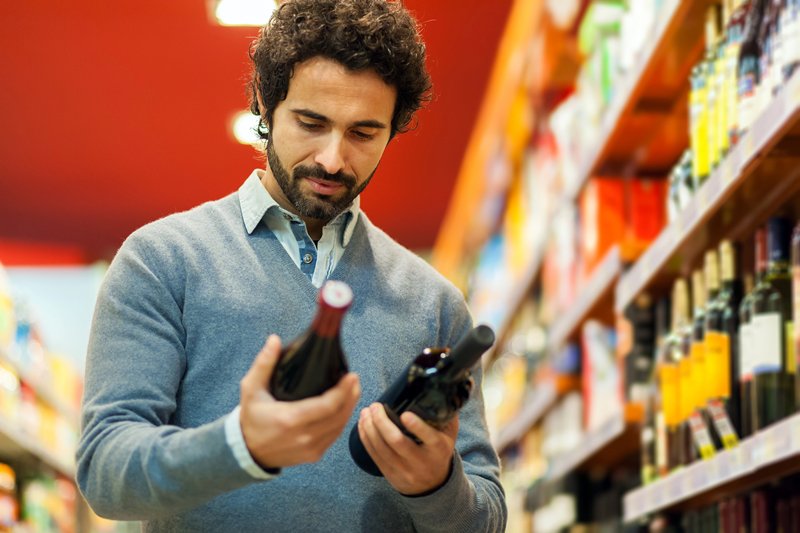
Wine remains a regular part of life for most Italians, according to a survey of 1,038 consumers conducted in 2024 and published in the latest issue of CreAgritrend, the quarterly bulletin produced by CREA and its Research Center for Policies and Bioeconomy. The findings show that 94.4% of respondents drink wine at least occasionally, even as age and gender shape where, how often and what type of wine they choose.
The survey points to a market in which wine still holds a strong place in daily habits, but consumers are making choices with a close eye on taste, origin and value. Among those surveyed, 56.5% said they drink wine at least once a week. Regular daily drinking, however, varied sharply by age. Only 3.8% of respondents ages 18 to 24 said they drink wine every day, compared with 24.6% of those ages 55 to 65. The share of people who said they drink wine only rarely moved in the opposite direction, falling from 32.3% among the youngest group to 16.6% among older adults in the same comparison.
The setting also changes with age. Drinking wine at home becomes more common as consumers get older, rising from 33.3% among respondents ages 18 to 24 to 61.6% among those 55 to 65. Social occasions, including gatherings with friends or relatives and events outside the home, carry more weight for younger consumers. Drinking at restaurants, bars and wine shops was more stable across age groups, holding at roughly 50% to 60%, according to the bulletin.
Red wine remains the most common choice overall, but men and women show different preferences. The survey found that 56.7% of men said they drink red wine often, compared with 47.3% of women. Women showed a stronger preference for white wine, with 45.5% saying they drink it often, compared with 36% of men. Rosé also had a larger following among women, at 20.5%, versus 15% among men.
The data also suggest that many consumers try to balance everyday spending with a willingness to pay more for certain bottles or special occasions. The most common price range for routine purchases was €4 to €8 a bottle, chosen by 45.8% of respondents. Another 32.8% said their usual spending falls between €8 and €15. Bottles priced below €4 accounted for 11.8% of responses, while 9.6% said they usually spend more than €15.
When respondents were asked about the highest price they would be willing to pay, the picture changed. A total of 41.2% said they would go above €20 for a bottle. Within that group, 27.8% said they would pay €20 to €30, and 13.4% said they would spend more than €30. The gap between usual spending and maximum willingness to pay indicates that a significant share of consumers are prepared to trade up when the occasion matters.
Price, however, was not the main factor guiding purchases. Taste ranked first, with an average score of 4.22 on a scale of 1 to 5, and 82% of respondents described it as important or very important. Designation of origin followed with an average score of 4, and 73.7% gave it a high level of importance. Price came close behind, with an average score of 3.91 and 71.1% rating it important or very important.
The producer also remained a meaningful factor in purchase decisions. The winery received an average score of 3.79, with 66.3% of respondents assigning it strong importance. The production year mattered less, with an average of 3.48 and 51.8% calling it important or very important. Packaging ranked lowest among the elements measured, with an average score of 3.27 and 42.6% placing high importance on it.
Taken together, the figures describe a consumer who is not focused only on finding the lowest price. The survey suggests that many Italians still connect wine with quality, place and identity, and that recognized origin carries real weight at the time of purchase. Even in a market where everyday buying remains concentrated in lower price bands, the research points to a willingness among many consumers to spend more when they believe a bottle offers stronger taste, a trusted denomination or a clearer link to the territory where it was produced.