













Albania's historic milestone: entering the global wine stage as 50th OIV member State
Albania's Wine Renaissance: The Nation’s Historic Induction into the OIV
2023-09-08
In a historic move that marks a significant milestone in the world of viniculture, Albania has recently been inducted as the 50th Member State of the International Organisation of Vine and Wine (OIV). This pivotal moment arrives as the OIV celebrates its centennial, shedding light on the tremendous journey the institution has had in the past 100 years.
The Benefits of OIV Membership
Becoming a part of the OIV isn't just about recognition. For Albania, it signifies a new era of opportunities. As a member, the nation will gain access to invaluable resources, with insights and cooperation from a robust network of nearly 1000 global experts in the wine industry.
This association allows Albania to actively participate in making critical decisions that can shape the future of the viniculture sector, granting them a seat at the table amongst 49 other decision-making nations. OIV's strong emphasis on member state collaboration has always been instrumental in promoting clearer communication, crafting effective legislation, and encouraging a transparent and thriving trade in the vine and wine sector.
This October, Albania is set to further cement its position by taking part in the OIV's 22nd General Assembly.
A Glimpse into Albania's Viniculture Legacy
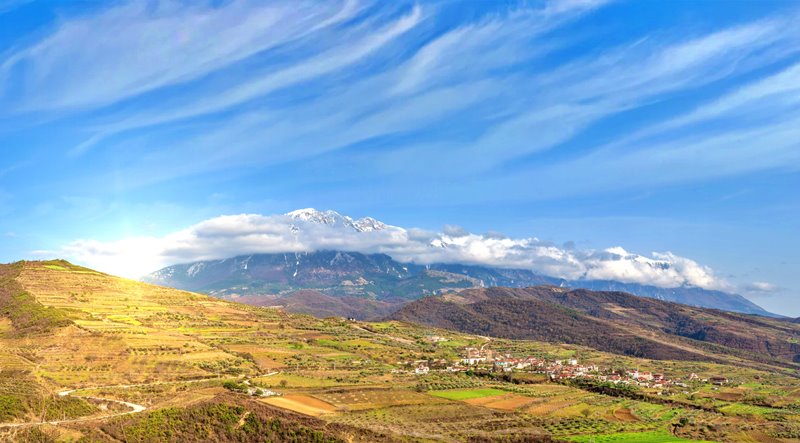
Albania isn't a newcomer to the world of wines. Its tryst with winemaking traces back over two millennia, with records of the ancient Illyrians cultivating grapes and producing wine. Through the annals of history - from the Roman and Byzantine eras, the Ottoman period, to World War II, and the challenges faced during the communist regime - winemaking has been a resilient part of Albania's legacy.
Recent decades have borne witness to a renaissance of sorts. In the span of just over a decade, from 2010 to 2021, Albania's vineyard surface area burgeoned from 2776 hectares to 7442.3 hectares. Out of this expansion, a significant 5954.8 hectares is devoted exclusively to wine production, with the remaining area catering to table grapes.
Rise of Modern Albanian Wineries
From humble beginnings, numerous Albanian wineries have evolved into established wine-producing entities, guaranteeing both the quantity and quality that wine enthusiasts seek. Currently, the nation boasts 70 registered wineries, with over 20 of these classified as major wineries.
A unique aspect of Albania's viniculture is its emphasis on autochthonous grape varieties. Varieties like Kallmet, Shesh, Serine, Debinë, Puls, Cërrujë, and Vlosh are not just native but are also steadily growing in popularity. These grapes encapsulate the essence of the Albanian terroir, offering distinct aromas and flavors that are piquing the interest of wine aficionados and professionals globally.
Moreover, other grape varieties like Merlot, Muskat, Riesling, Tempranillo, and Cabernet Sauvignon have found a welcoming home in Albania's conducive climate and terrain.
Government Initiatives to Support the Wine Sector
The Albanian Ministry of Agriculture and Rural Development has been proactive in bolstering the country's wine sector. By incorporating viticulture and wine production into the National Support Scheme and streamlining laws and provisions in alignment with the European Union acquis, they have laid the groundwork for an enabling ecosystem. One of the crowning achievements in this direction was the recent parliamentary approval of a new law specifically for viticulture and wine, paving the way for Albanian producers to explore expansive export avenues.
"For us, joining OIV means providing access to our winemakers to the most advanced knowledge and innovation in the sector," said Frida Krifca, the Minister of Agriculture and Rural Development of Albania. She envisions a bright future where Albanian specialists can significantly benefit from global collaborations, sharing experiences and expanding horizons.
