














Study Finds Nonalcoholic Beer Improves With Food
Researchers say alcohol-free pilsner, wheat beer and IPA fared poorly alone but matched alcoholic versions when paired with a shrimp dish
2026-06-01
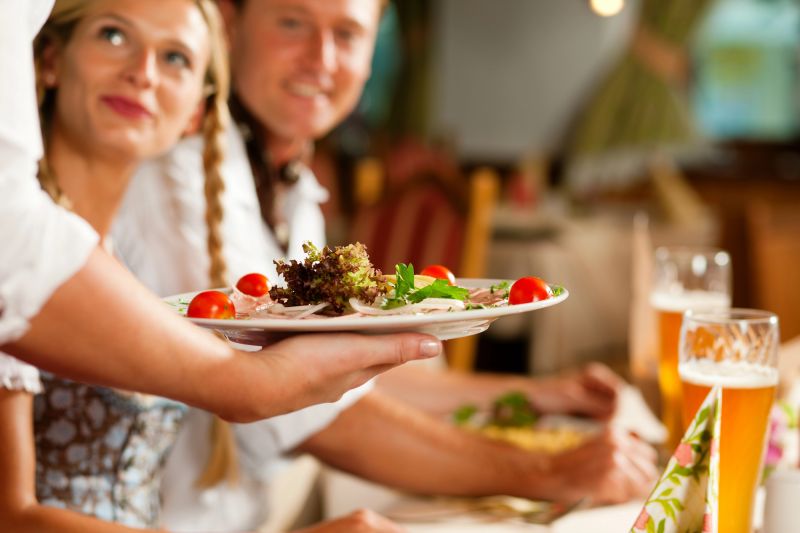
A new study suggests that nonalcoholic beers may still have a place at the table, even if they are less appealing when tasted on their own.
Researchers found that pilsner, wheat beer and IPA styles without alcohol were rated lower in solo tastings than their alcoholic counterparts, but performed about the same when paired with food. The findings, published in the International Journal of Gastronomy and Food Science and identified by ScienceDirect, point to a practical role for nonalcoholic beer in restaurants and bars as demand grows for low- and no-alcohol drinks.
The study compared alcoholic and nonalcoholic versions of several beer styles in two settings: direct tasting and pairing with skagenröra, a Scandinavian shrimp dish often served on bread or toast. In the standalone tastings, the nonalcoholic beers received weaker marks for taste and overall acceptance. But once food was added, those differences narrowed sharply.
That result matters for hospitality operators trying to expand beverage lists without relying only on wine or full-strength beer. It suggests that nonalcoholic beer may be more successful when it is treated as part of a meal rather than as a drink to be judged alone. For diners who want to avoid alcohol, the study indicates that the right food pairing can help preserve the drinking experience.
The researchers said the findings support a broader shift in how low- and no-alcohol beverages are served. Instead of focusing only on flavor in isolation, they argue that context matters. A beer that seems flat or incomplete on its own may still work well alongside food, where salt, fat and texture can change how it is perceived.
The study adds to growing evidence that the market for nonalcoholic beer is not limited to people avoiding alcohol entirely. It also includes consumers who want flexibility at meals, during lunch service or in settings where moderation is becoming more common. For breweries and restaurants, that could mean more attention to pairing menus, serving temperature and dish selection as they try to make nonalcoholic beer feel like a deliberate choice rather than an afterthought.
