European Union pioneers radical transformation in wine labeling standards
Wine industry in Europe braces for game-changing labeling regulations
2023-06-14
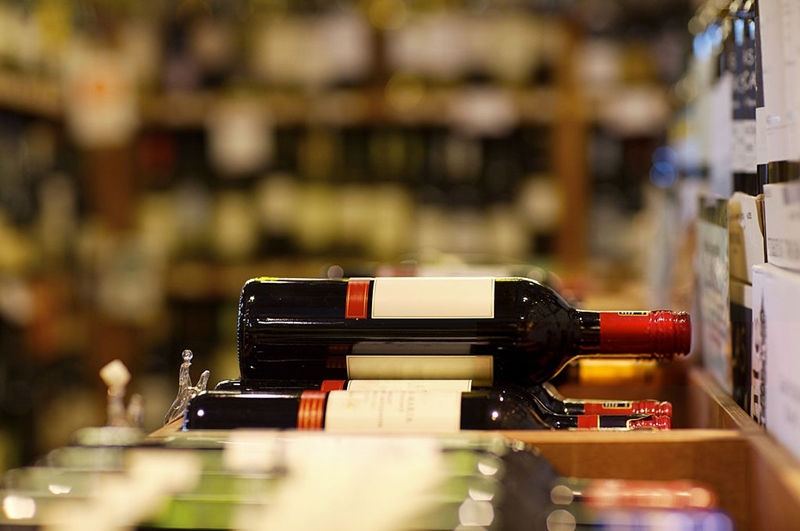
In an effort to enhance consumer knowledge and promote transparency within the European wine industry, significant changes to wine labeling regulations are set to be imposed. The upcoming legislation regarding wine labeling is expected to have a profound impact on the European wine industry, heralding a new era of comprehensive disclosure. A fresh dawn is approaching for wine labeling regulations in Europe, promising to shed light on the detailed composition of wine bottles and provide consumers with a deeper and clearer understanding of the beverages they consume.
The imminent European regulation, part of the Common Agricultural Policy (CAP), is scheduled to come into effect on December 8, 2023. This regulation marks a significant leap forward in transparency for wine labeling. Starting from the enforcement date, all wine bottles sold within the European Union, regardless of their country of origin, must mandatorily disclose their ingredients, nutritional information, presence of allergens, and energy content.
This extensive array of information will need to be displayed on the wine bottle itself or on labels securely attached to the packaging. However, there is a nuance to consider. This information can also be shared through "electronic means." Specifically, information pertaining to intolerances, allergies, and energy content must be directly printed on the bottle label. Conversely, ingredient lists and nutritional information can be provided electronically, either through a QR code or a link redirecting to an independently hosted electronic label.
The EU Regulation 2021/2117 specifies that energy information, a concept similar to calorie declaration already common in the United States, should be displayed on wine bottle labels using the symbol 'E'. Potential allergens, on the other hand, must be highlighted on the label with the word 'Contains'.
In addition to offering a higher level of transparency, the EU regulation also imposes two significant restrictions on wine producers and label manufacturers. Firstly, electronic labels cannot contain any additional information intended for sales or marketing purposes. This means, for example, that they cannot direct consumers to a wine manufacturer's website. Secondly, the collection or tracking of user data through electronic means is strictly prohibited.
Despite the apparent rigor of the new regulations, a transition period has been established to allow wine bottle labeling to conform to the new rules. Bottles produced prior to the enforcement of the regulations in December 2023 may continue to be marketed until all remaining stocks are depleted.
The objective behind these changes is to improve consumer communication. It is widely recognized that an informed consumer tends to make more conscious and healthy purchasing decisions.

Founded in 2007, Vinetur® is a registered trademark of VGSC S.L. with a long history in the wine industry.
VGSC, S.L. with VAT number B70255591 is a spanish company legally registered in the Commercial Register of the city of Santiago de Compostela, with registration number: Bulletin 181, Reference 356049 in Volume 13, Page 107, Section 6, Sheet 45028, Entry 2.
Email: [email protected]
Headquarters and offices located in Vilagarcia de Arousa, Spain.