Mulled Wine Sparks a Winter Drinking Boom Among China’s Youth
Mulled Wine Becomes a Holiday Obsession for Young Chinese Consumers
Wednesday, January 14, 2026
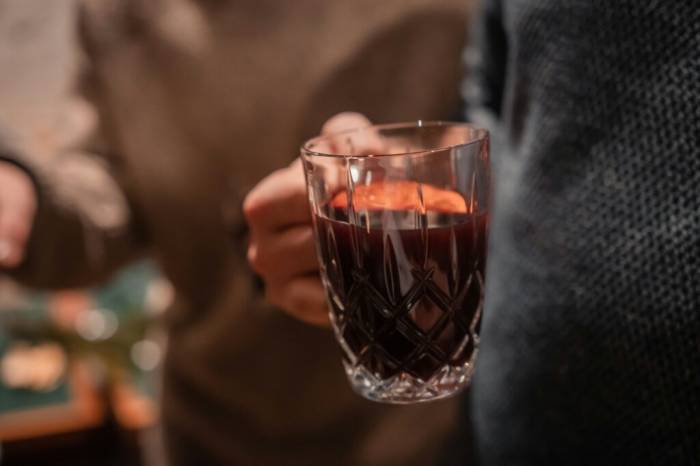
In China, young consumers are showing a growing preference for white wine and mulled wine, even during the winter months. This trend became especially clear during the week between Christmas and New Year’s, when sales of these wines surged on Meituan, the country’s largest instant retail platform. The increase in demand reflects a broader shift among younger buyers toward self-rewarding purchases and ritual-driven consumption.
According to data from Meituan Flash Buy, the week leading up to New Year’s saw a significant rise in alcohol sales among younger consumers. White wine sales more than doubled compared to the previous year, while searches for mulled wine kits jumped by 212% over the prior week. These figures began circulating on Chinese social media on December 30, with the data covering Christmas Eve and Christmas Day—key moments for holiday spending. Meituan attributed the spike to young people seeking personal enjoyment and a sense of occasion.
White wine, known for its lighter body and floral or fruity aromas, has gained popularity among young Chinese consumers over the past two years, particularly among women. Sales are concentrated on e-commerce platforms and in small wine bars. New Zealand Sauvignon Blanc and German Riesling have emerged as favorites. Traditionally considered a summer drink, white wine continued to perform well through December 2025. This trend is supported not only by Meituan’s data but also by import statistics. In October and November 2025, China imported nearly 800,000 liters of New Zealand wine—a 44.66% increase from the previous year—while the value of these imports rose by 16% to $6.47 million, according to official customs data reported by Vino Joy News. These numbers suggest that Chinese importers increased their orders during what has historically been a slow season for white wine.
Mulled wine, closely associated with winter and Christmas traditions, has also become a favorite among younger consumers in China. Its appeal lies in its novelty, do-it-yourself elements, and strong visual storytelling—qualities amplified by lifestyle influencers on platforms like Xiaohongshu (Red Note). This popularity has translated into immediate retail sales. During the winter months, many on-demand retailers have added mulled wine products to their offerings. According to a 2023 consumption trends report from Ele.me, Alibaba’s delivery platform, mulled wine has seen rapid growth in China since 2021, with demand rising every November and peaking in December. Over three years, the number of active merchants selling mulled wine grew from just over 200 to more than 15,000.
Wang Yutian, marketing director at Torria China—the company behind online wine brand Knock Knock—said that instant retail directly targets “self-reward” consumption scenarios where white wine and mulled wine fit naturally. The strong connection between mulled wine and festive occasions, combined with discounts offered by brands and retailers during the holiday season, further boosted demand.
Despite Chinese authorities discouraging large-scale Christmas celebrations in recent years—and some cities limiting public gatherings—the holidays remain an important time for young people and couples to spend on food and drink. As a Western holiday associated with lifestyle experiences and cuisine, Christmas continues to create opportunities for Western food and wine in China. Wang noted that demand for visually appealing and experience-based dinners—often described online as “beautiful meals”—remained strong during this period. “Wine naturally benefits from this,” he said.
Beyond white wine and mulled wine, Meituan data also showed that brandy sales rose by more than 230% year-on-year in the week before New Year’s. Craft beer sales increased by over 100%, while flavored beer sales climbed more than 70%. Meituan attributed these increases to the same underlying factor: young consumers’ growing desire for self-indulgence and ritualized consumption.
The shift in drinking habits among young Chinese consumers is reshaping both retail strategies and import patterns in China’s beverage market. The focus on personal enjoyment and festive rituals is likely to continue influencing what is poured into glasses across China’s cities during both winter holidays and beyond.