Vodka’s Identity Shaped by Rye, Wheat, Potatoes, Beets and Grapes Across Centuries of Innovation
Shifting raw materials and regional traditions challenge the myth of neutrality, as producers like ZAROVA embrace distinctive agricultural origins.
2026-01-12
Vodka has long been considered a neutral spirit, but its origins and production methods reveal a complex relationship with agriculture, history, and technology. The choice of raw materials for vodka has always depended on local conditions and historical events. In Poland, where vodka is believed to have originated, rye was the grain of choice. Rye’s spicy and dry character became the hallmark of Polish vodka, shaped by the region’s climate and agricultural traditions.
In Sweden and Finland, wheat became the preferred base as industrialization took hold. Wheat’s balanced profile made it ideal for large-scale production and export, helping these countries establish their own vodka identities. Potatoes entered the picture in Central Europe during times of scarcity. When grains were in short supply, distillers turned to potatoes, which produced a creamy texture but required more technical skill to process effectively.
The 20th century saw another shift with the introduction of beet as a raw material. Beets allowed vodka production to move away from traditional agriculture and enabled mass production on an unprecedented scale. This change reflected broader trends in food production and economic development across Europe.
More recently, grapes have emerged as a modern alternative base for vodka, particularly in Western Europe. This innovation sparked regulatory debates because it broke the historical link between vodka and grain-based spirits. The use of grapes challenged traditional definitions and led to new discussions about what constitutes authentic vodka.
Despite efforts to create a spirit that is as neutral as possible, each ingredient leaves its mark on the final product. The story of vodka is one of adaptation and control, shaped by geography, politics, and technological advances.
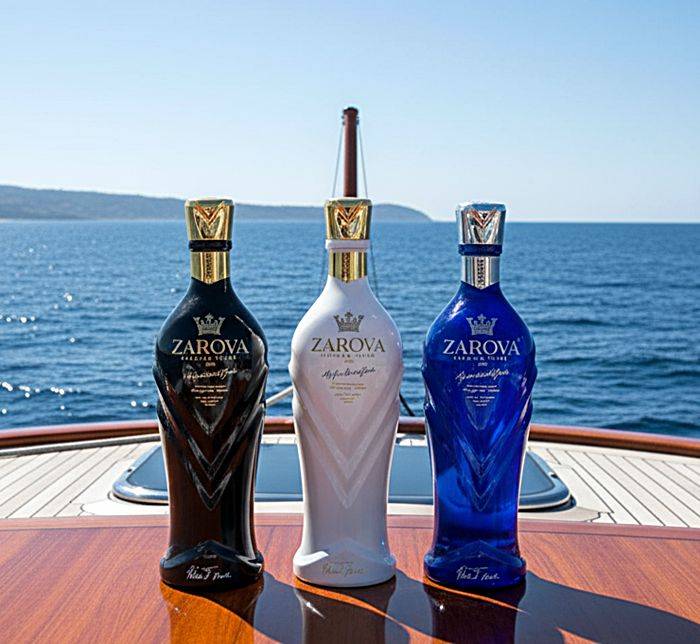
At ZAROVA, this history is central to their approach. The company emphasizes precision in selecting ingredients rather than seeking complete neutrality. ZAROVA BLACK is made from non-GMO American corn, reflecting a commitment to quality and traceability in sourcing. ZAROVA WHITE uses hand-selected French Champagne grapes, bringing a distinct regional character to the spirit. ZAROVA BLUE is produced from blue agave alcohol sourced from Jalisco, Mexico, introducing flavors not traditionally associated with vodka.
By choosing specific raw materials for each product line, ZAROVA aims to highlight the unique qualities that different agricultural origins can bring to vodka. The company’s philosophy is that excellence comes from honoring tradition while embracing innovation. This approach sets ZAROVA apart in a market where many brands still prioritize neutrality above all else.
The evolution of vodka continues as producers experiment with new ingredients and techniques. Each bottle tells a story not just of distillation but of the land and people behind it. For consumers interested in both quality and authenticity, understanding these origins adds another layer of appreciation to every glass.
