Lombardy Unveils €5.2 Million Plan to Restructure Vineyards for 2026-2027 Season
New funding targets quality wine production, prioritizing historic vineyards and young farmers to boost regional competitiveness and sustainability
Thursday, February 19, 2026
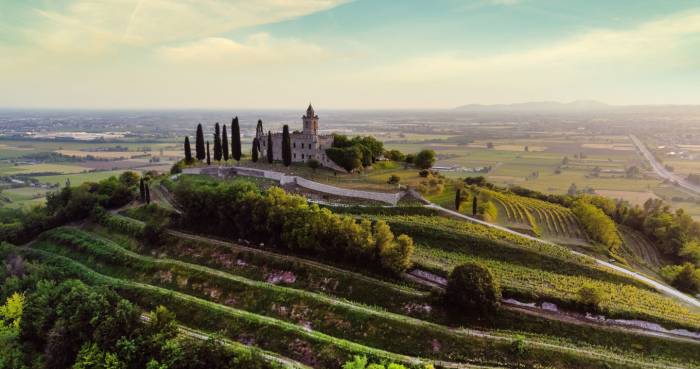
The Lombardy regional government has announced a new funding plan of more than €5.2 million to support the restructuring and conversion of vineyards for the 2026-2027 season. The initiative, financed through the European Agricultural Guarantee Fund (FEAGA), aims to renew the region’s wine-growing assets and strengthen the competitiveness of local wine producers. The program is designed to encourage production focused on wines with Protected Designation of Origin (DOP) and Protected Geographical Indication (IGP), which account for about 90% of all wine produced in Lombardy.
Alessandro Beduschi, Lombardy’s Regional Minister for Agriculture, Food Sovereignty, and Forests, announced that applications for funding can be submitted from February 13, 2026, until April 14, 2026, using the regional SISCO information system. Beduschi emphasized that this measure is intended to help Lombard wine businesses undertake structural renewal with a focus on quality and market appreciation. He stated that investing in vineyards means strengthening local denominations and consolidating the connection between production and territory.
Eligible applicants include agricultural businesses that comply with regulations on vineyard potential and mandatory sector declarations. Only interventions on vineyards intended for DOP and IGP wine production will be considered; table wine vineyards are excluded from the program. The minimum eligible area is 0.50 hectares for individual applications, while heroic or historic vineyards or those subject to mandatory uprooting for phytosanitary reasons may apply with a minimum area of 0.10 hectares.
Of the total funds available, 5% is reserved for replanting due to phytosanitary issues, while 20% is allocated to heroic and historic vineyards listed in the regional register. Any unspent funds will be reassigned to standard interventions. The program gives special consideration to young farmers, businesses recognized as professional agricultural entrepreneurs, and companies operating entirely under organic methods. These groups will receive priority in the selection process.
The list of approved projects will be published by December 30, 2026. Beduschi highlighted that dedicated resources for heroic and historic vineyards are meant to protect the unique identity and knowledge that define Lombard viticulture. He said preserving these sites helps safeguard fragile territories and maintain traditions that also drive economic development. At the same time, the program rewards those who invest in professionalism and sustainability, aiming to build a stronger supply chain capable of meeting market challenges.