Turbulent times for Australia's vintners
From booming exports to uncertain futures
Thursday, October 5, 2023

Views › 1440
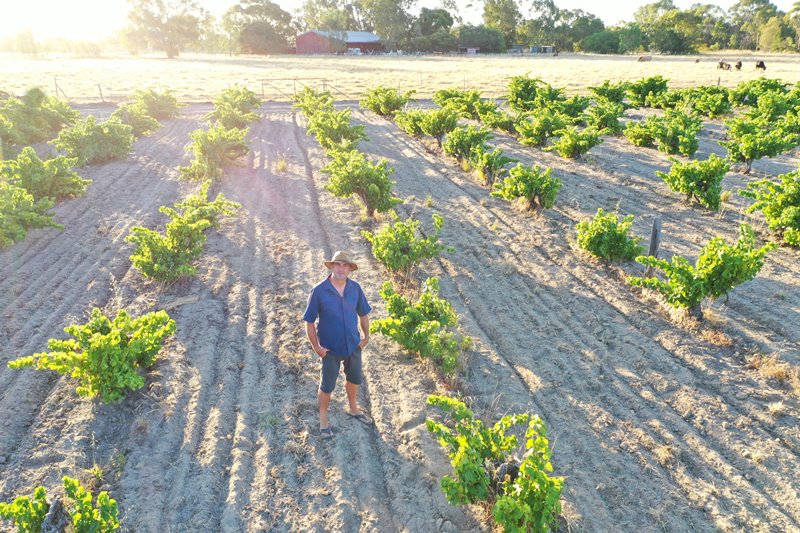
Australia's revered wine trade, which once flourished with notable exports and impressive revenues, has been encountering an unprecedented downturn in recent times. This article unpacks the myriad challenges faced by the wine industry Down Under.
Change Australia's wine sector, for decades a thriving domain, recorded a 10% decrease in the value of its exports in the year ending June 2023. This marks the most significant drop since 2014, mainly attributed to the imposition of punitive tariffs by China, previously Australia's largest wine export destination.
China, which once contributed AU$1.2 billion to the Australian wine industry, now adds a mere AU$8 million. The sudden absence of such a massive market has dealt a massive blow to the industry, with the fallout from tariffs coupled with adverse effects of climate change further straining traditional wine-growing areas in the country.
Preferences Besides losing out on export volume, Australia also faces the challenge of changing consumer preferences. Globally, there's a growing tilt towards superior quality wines, sidelining commercial or large-volume brands. The aftermath of these shifts has triggered significant introspection among Australian wine producers, many of whom are re-evaluating their existing business strategies.
However, it's not just a story of decline. While the industry's value has taken a hit, certain segments are still flourishing. The demand for premium wines within Australia, for instance, has seen an uptick of 17% over the last five years, despite a 13% drop in the commercial wine sector.
Ahead Optimism about the possible easing of China's tariffs has been dampened by the Australian government's recent decisions on its diplomatic stance with Beijing. And even if trade resumed at full scale, re-establishing the market might be an uphill battle. Other wine-producing regions have rushed in to fill China's demand, introducing the Chinese palate to flavors from Chile, Argentina, and South Africa. The road to recovery appears long, with a recent Rabobank report indicating that the Australian wine industry might need two years or more to offset its current surplus.
While the export market battles its demons, domestically, the wine industry faces challenges of its own. With reduced yields due to climate change and a surge in operating costs, Australian wine producers are grappling with mounting pressures. As a reflection of the tumultuous situation, many significant wine corporations are considering offloading assets, signaling a strategic shift in the industry's future.
The Australian wine industry is at a crucial crossroads, forced to navigate a changing climate, shifting global preferences, and complex geopolitical scenarios. While challenges abound, the resilience of the sector and its capacity to adapt will shape the future of Australian wine on the world stage.