France Reopens Wine Distillation Aid With 15.36 Million Euros for Surplus Red and Rosé Stocks
Applications run until Jan. 13, 2027, though final contracts still depend on a pending European Union rule change
Friday, November 27, 2026

Views › 201
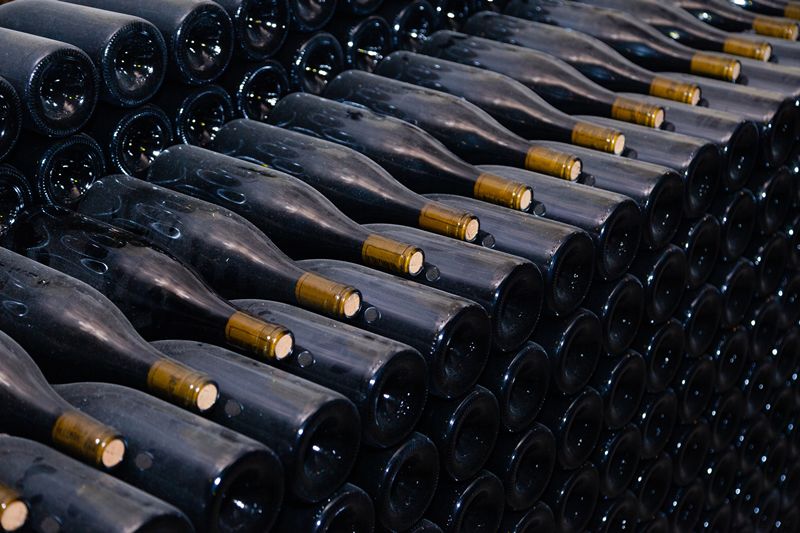
France has opened a third application period for emergency wine distillation aid, extending a market support measure aimed at reducing surplus stocks of red and rosé wine.
A decision signed by FranceAgriMer’s director general on Wednesday, Nov. 25, and published in the Agriculture Ministry’s official bulletin on Thursday, Nov. 26, sets out the third filing window for commitments under the crisis distillation program. The measure applies to red and rosé wines and is financed with 15.36 million euros that remained available under the existing scheme.
According to the decision, the aid rate is 33 euros per hectoliter. Applications may be filed until Jan. 13, 2027.
Crisis distillation is used to remove excess wine from the market by sending eligible volumes to distillation rather than sale as beverage wine. The goal is to reduce pressure from unsold stocks and support market balance in a sector that has faced weak demand and heavy inventories in parts of France.
FranceAgriMer did not present the move as a new spending plan. Instead, the third phase uses funds left over from the existing envelope, allowing the agency to reopen access to the measure without increasing the overall budget of the program. That matters for the drinks industry because any reduction in excess wine stocks could help steady prices and inventory levels for producers, cooperatives, traders and distributors, although the market effect will depend on how much wine is actually withdrawn.
The decision also introduces a condition that could affect execution of the program. The distillation contracts linked to this third application period depend on a change in the relevant European Union rules. That means producers can file under the new window, but the final contracting step is tied to a pending regulatory adjustment at the EU level.
That condition adds an element of uncertainty for wineries considering whether to participate. The French authorities have reopened the program and defined the available funding and aid rate, but the legal basis for contracts under this phase still needs the related EU amendment. Until that step is completed, the measure cannot operate in full under the third window.
The French wine sector has relied on crisis distillation in recent years as a tool to deal with persistent imbalances between supply and demand, especially in categories where inventories have remained high. By reopening the measure for a third time, FranceAgriMer is signaling that earlier rounds did not absorb all available funding and that authorities still see a need to remove additional volumes from the market.
For producers of red and rosé wine, the 33-euro-per-hectoliter payment offers a defined outlet for part of their stocks at a time when commercial channels remain under strain for some operators. For the broader beverage trade, the move is part of a wider effort to prevent excess supply from weighing further on the French wine market, using existing public funds rather than expanding the support package.
The administrative text published Thursday, Nov. 26, is Decision No. INTV-GPASV-2026-77 of the FranceAgriMer director general on the implementation of the third commitment period for crisis distillation aid.