Basque Research Center Leads Spain-France Trial of Grapevines That Could Cut Fungicide Use by 70%
Researchers will compare new and overlooked vines across soils and climates to gauge disease resistance, drought tolerance and wine quality
Monday, November 23, 2026

Views › 380
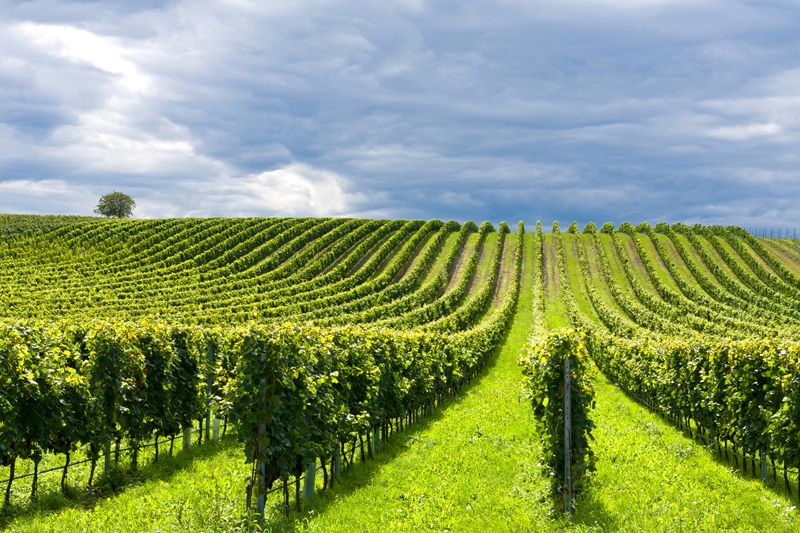
Neiker, a technology center in Spain’s Basque Country, said Monday, November 23, that it is leading a new cross-border research project with France to test grapevine varieties that are resistant to fungal diseases and more tolerant of drought, as wine regions face higher temperatures, less regular rainfall and growing disease pressure.
The project, called TRANSFERES, will evaluate how new and lesser-used grape varieties perform in wine-producing areas in Spain and France. The work will examine agronomic behavior, plant health, environmental impact and the quality of the grapes for winemaking. It will also study how these varieties are viewed by producers, regulators and consumers, an issue that could affect whether they gain a place in the market.
The initiative addresses a central problem for vineyards across southern Europe. Producers are under pressure to adapt to climate change while cutting the use of crop-protection products. Downy mildew and powdery mildew remain among the main threats to vineyards, and their spread can change with shifts in weather conditions. At the same time, the European Union has set a target of cutting the use and risk of pesticides by 50% by 2030 under its Farm to Fork strategy.
According to information released about the project, disease-resistant grape varieties can reduce the need for plant-protection treatments by as much as 70%. Researchers involved in TRANSFERES will study whether those gains hold up across different local conditions, including differences in climate, soils and production systems. That point is critical because a variety that performs well in one region may not deliver the same agronomic or commercial results elsewhere.
Ana Díez, a researcher in Neiker’s Department of Plant Production and Protection and the project’s coordinator, said it is essential to understand how these varieties behave under the different climate and soil conditions of the participating regions before they are introduced more widely into production systems. That, she said, would help growers judge whether they are suitable and support adoption in the field.
The project will look at both improved varieties and traditional varieties that are not widely used. The goal is not only to assess resistance to fungal diseases, but also to explore whether combining resistant material with traditional Mediterranean grape types can help create plant material with greater drought tolerance. For wine producers, that could eventually mean access to vines that need fewer treatments and are better able to cope with water stress without giving up wine quality, a factor that matters directly for grape supply and for the beverage industry built around wine production.
Researchers will measure how the vines respond to different forms of environmental stress and will evaluate the grapes’ enological quality, a key issue for wineries deciding whether new plant material can fit existing styles, appellation rules and consumer expectations. The project’s backers say wine quality will be one of the deciding factors in whether these varieties can find a place in different wine regions and in the market.
The cross-border structure of the project is one of its main features. France has more experience with resistant grape varieties, and some are already used in commercial wine production there. That experience is expected to help Spanish participants better understand not only technical performance, but also regulatory and practical issues linked to planting and marketing such varieties. At the same time, trials in Spain under different climate and soil conditions are expected to give French partners more information about how the vines adapt to other production environments.
Beyond the field trials, TRANSFERES includes a broad effort to move results into the wine sector. The project plans to hold demonstration events, cross-border meetings and information sessions for regulators, producers and technical staff. It also plans to produce technical documents, publications and outreach tools, and to work with appellation bodies, cooperatives, wineries and research organizations so that the findings remain useful after the project ends.
The project will also examine public perception of these grape varieties. That issue could prove important because commercial adoption depends on more than resistance and yield. Wineries need to know whether buyers will accept wines made from unfamiliar or newly bred grapes, and growers need to know whether the varieties can fit within local production rules and market positioning.
For the wine business, the work could have wider implications if the results are favorable. Lower dependence on fungicide treatments could reduce costs and environmental pressure in vineyards, while better drought tolerance could help stabilize grape production in hotter and drier seasons. In a sector where raw material quality and continuity are central to the production of wine and related beverages, the ability to match resilience with enological performance is likely to be a decisive test for any new variety.