Prosecco Sold More Bottles Than Champagne in French Supermarkets
Circana reported 25.31 million bottles sold over 12 months to July 2026, edging Champagne as lower prices reshaped demand
Friday, November 20, 2026

Views › 384
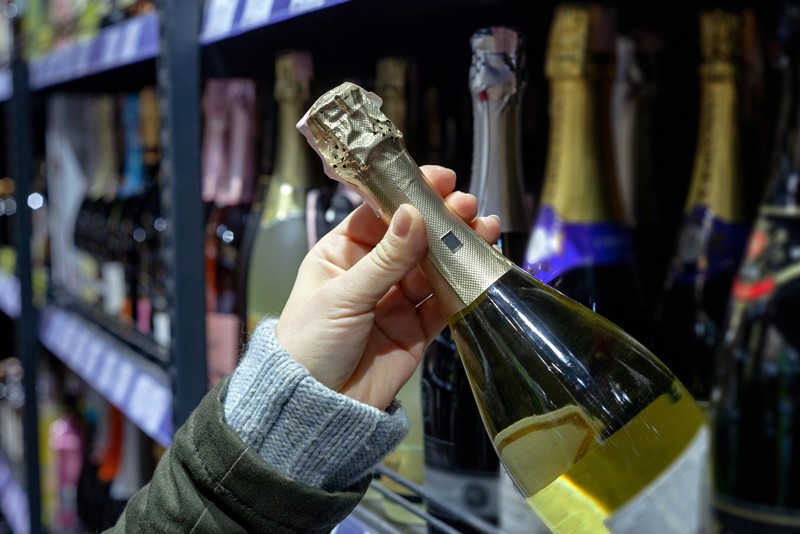
Prosecco sold slightly more bottles than Champagne in French supermarkets in the 12 months to July 2026, according to Circana data published on Thursday, November 19, a result that marks a notable shift in one of the world’s most important sparkling-wine markets.
The market research group said French supermarkets sold 25.31 million bottles of Prosecco during that period, compared with 25.23 million bottles of Champagne. The gap was small, but the change is significant because France is the home market of Champagne and one of the category’s most closely watched benchmarks.
The figures, published in the French trade outlet Rayons Boissons, also showed that the two categories moved in different directions over the year. Champagne sales volumes in French supermarkets fell 4.6%, while Prosecco volumes rose 10.1%. Over a longer period, both categories have expanded in France. Circana said sales of both Prosecco and Champagne have doubled over the past 25 years, reflecting broader growth in sparkling-wine consumption. The latest year, however, pointed to diverging momentum.
Price appears to be one of the clearest reasons for the change. The average bottle of Champagne sells for about €25, while the average bottle of Prosecco sells for €6.24, according to the data cited by The Drinks Business. That leaves Prosecco at roughly one-quarter of the price of Champagne, a meaningful difference for households under pressure from weaker disposable income and higher living costs.
Consumer habits are also changing in ways that have hurt Champagne more than some lower-priced alternatives. The report pointed to moderation trends as another challenge for the category. When consumers drink less often, they can become more selective about when they buy premium products. In that setting, cheaper sparkling wines can benefit, especially when they are seen as easy to drink and suitable for casual occasions.
For the beverage industry, the result matters beyond the symbolism of an Italian sparkling wine edging past France’s signature product on supermarket shelves. France is a key market for sparkling wine, and a shift of this kind could lead producers, importers and retailers to reassess pricing, shelf space, product mix and brand positioning. It may also sharpen competition among sparkling-wine categories as companies try to protect volume in a slower consumer environment.
The new retail data adds to wider pressure on Champagne. Comité Champagne, the regional trade body, said worldwide shipments, including the French market, totaled 266 million bottles in 2025, down 5 million bottles, or 2%, from the previous year. Excluding the disruption of 2020, when Covid-19 lockdowns pushed shipments down to 254 million bottles, that was the lowest shipment volume in 20 years. The sector is also dealing with higher production costs, exchange-rate movements, geopolitical tensions and softer demand in some markets.
At the same time, Prosecco’s performance in France appears to fit into a broader rise in demand for Italian drinks and food. FranceAgriMer statistics cited by The Drinks Business indicated that Italian sparkling wines have become more visible not only in supermarkets but also in French bistros, restaurants and bars. That suggests the category’s growth is not limited to at-home consumption.
The trend is also showing up in trade data. While overall Italian wine exports have been declining, sparkling-wine exports remained more resilient, rising 0.4% in the first half of 2026, according to figures previously reported by the publication. That modest increase suggests sparkling wine has held up better than other parts of the Italian wine business even as the broader export picture weakened.
Emily Mayer, research director at Circana France, said the appeal of Italian products is spreading across several food and drink categories. Since 2022, she said, limoncello sales volumes in France have risen 70%, while sales of spritz mixers and ready-to-drink spritz products have increased 26%. She also pointed to gains in Italian food products over the past year, including pesto, up 15%, bronze-die pasta, up 34%, mozzarella, up 6%, and breadsticks, up 4%. As quoted by WineNews, Mayer said Italy is well placed to meet several priorities for French consumers, including enjoyment, sociability and affordability.
That broader shift helps explain why Prosecco’s advance in France may be more than a one-year supermarket result. The latest numbers suggest that lower prices, changing habits and the wider appeal of Italian-style drinking occasions are reshaping competition in sparkling wine, including in a market that has long been identified with Champagne.