Napa Valley retail wine volume rose 1%, ending two years of declines
Terrain said discounting plus lower-priced private-label bottles helped the category regain volume, with average prices still under pressure
Monday, November 9, 2026
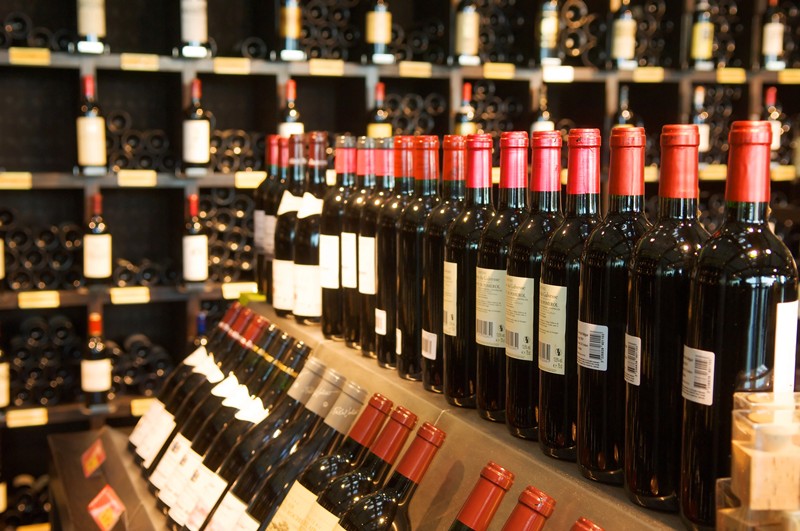
Napa Valley wine sold through U.S. retail channels for off-premise consumption returned to volume growth in the 12 months ended in June, according to a market outlook published on Monday, November 9, by Terrain, a wine industry advisory firm that cited NielsenIQ retail sales data.
The report said retail sales volume of Napa wine outside restaurants, bars and other hospitality venues rose 1% in the 12-month period ended in June 2026. That followed a 2% decline in the comparable period ended in June 2025 and a 9% decline in the period ended in June 2024.
The shift marks a modest turnaround in physical sales after two years of contraction. Measured by changes in the growth rate rather than by an absolute number of bottles or cases, the June 2026 reading improved by 3 points from the June 2025 period and by 10 points from the June 2024 period. Terrain said the underlying source does not publish the starting volume in the analysis, so the report does not show the change in liters or cases.
The figures apply to Napa wine sold in the U.S. retail market for consumption away from the place of purchase. They do not describe all California wine production or total U.S. wine consumption. Napa Valley, in Northern California, is one of the country’s best-known wine regions and is heavily exposed to price positioning and brand perception in the premium segment, which makes changes in volume and pricing closely watched by growers, wineries and distributors.
Terrain said the return to growth in volume came with continued pressure on average selling prices. The firm attributed that pressure to discounting and to a larger presence of lower-priced private-label wines in the Napa category. The report did not separate those two effects with individual figures, but it said both were weighing on the average price consumers paid in retail stores.
That mix matters because a rise in volume does not necessarily mean stronger revenue or healthier margins for producers. If more wine moves only because bottles are being sold at lower prices, wineries may reduce excess stock without improving profitability. A greater share of cheaper labels can also lift total case movement while pulling down the average price for the category.
The report tied part of the recent improvement to an ongoing reduction in trade inventories. Napa producers and sellers have been working through excess stock after weaker demand in earlier periods. Lower inventories can ease pressure on the market by bringing supply more in line with sales, but the process can also encourage aggressive promotions as wineries and retailers try to clear wine already in the system.
Terrain framed the new figures as evidence of modest progress rather than a full recovery. A 1% gain in volume is positive after consecutive declines, but it remains a small increase in a category that had already lost ground in the prior two annual periods. The report’s title, 2027 Napa Wine Market Outlook: Modest Progress to Continue, suggests Terrain expects that gradual pattern to extend into 2027, though that part of the analysis is a forecast, not an observed result.
The distinction is important for interpreting the data. The report published on November 9 does not mean Napa retail wine sales surged in November. Instead, it analyzes rolling 12-month periods ending in June of 2024, 2025 and 2026. That approach smooths short-term swings and offers a broader view of whether the market is improving or weakening over time.
NielsenIQ, which Terrain identified as the source for the retail measurements, tracks sales in retail channels rather than direct winery sales or restaurant purchases. As a result, the figures offer a window into consumer buying patterns in stores but not a complete picture of all Napa wine demand. Napa wineries often rely on several routes to market, including tasting rooms, wine clubs, direct shipments and on-premise placements, and those channels can behave differently from retail shelves.
Even so, the retail data are significant because they show whether Napa wines are regaining traction with U.S. shoppers in a competitive environment shaped by cautious spending, discounting and broader shifts in alcohol consumption. Terrain’s report indicates that more Napa wine is moving through retail than a year earlier, but it also suggests that the market is still relying in part on lower pricing and less expensive product mix to achieve that growth.