German brewers warn that more insolvencies are likely despite a rise in beer sales
Inflation, energy bills and raw material costs are outpacing brewers’ ability to raise prices, especially for smaller producers
Thursday, November 5, 2026
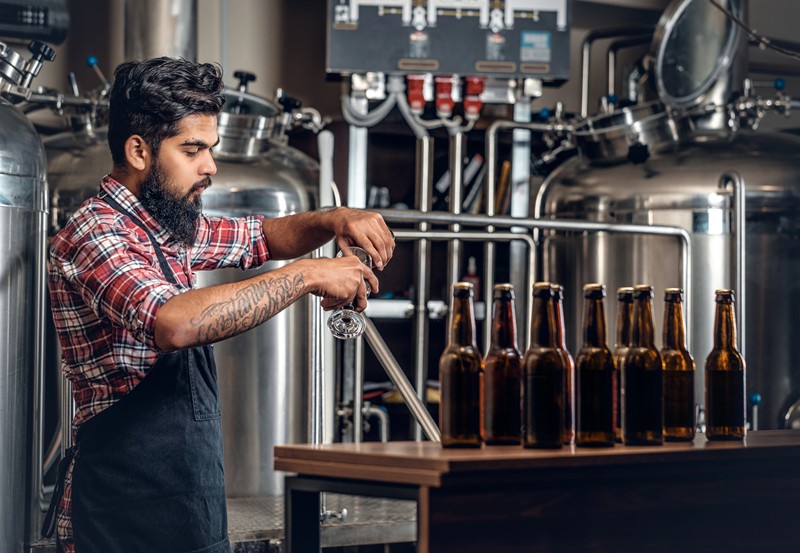
Germany’s brewers are warning that more insolvencies may lie ahead as inflation, high input costs and limited pricing power continue to squeeze the industry, even after a modest rise in beer sales this year.
In an interview published Wednesday, November 4, by Getränke News, Holger Eichele, managing director of the German Brewers Association, said the beer sector is still suffering more than many others from inflation and the related rise in prices. He said the industry as a whole posted a sales increase of just under 1% in the first eight months of the year, but that gain has not eased pressure on brewers’ finances.
Eichele said costs for materials have risen sharply and that breweries are facing intense competition for energy and raw materials. Those pressures are feeding directly into production costs. At the same time, he said, many breweries have been unable to pass their full price increases on to retailers and the hospitality sector, leaving the industry under heavy margin pressure.
That strain is increasingly showing up in company finances. Eichele said breweries are finding it harder to cover production costs and that insolvency numbers have already increased. He added that the risk of further insolvencies is growing.
He said small and midsize breweries are facing especially serious challenges. Larger producers may be better placed to respond to market conditions, he said, but the cost burden is affecting the whole sector.
The warning points to broader risks across the drinks business. If more breweries are forced to close or scale back, the impact could spread to suppliers of malt, hops, glass, cans and other packaging, as well as distributors and bars and restaurants that depend on local and regional beer portfolios. That could also add pressure to margins and continuity across parts of the beverage supply chain.
Eichele said price developments in food and drink are being shaped by several factors, and that in beer the current environment means prices are becoming steadily higher. Over time, he said, that could also change consumer demand. While the industry has still managed a slight increase in sales, the association’s comments suggest brewers do not see that as evidence of a stable recovery.
He also said consumers and retailers need to understand that high production costs cannot be absorbed indefinitely. If the situation remains tight, he warned, the quality and variety of beers available in the market could come under threat.
Germany’s brewing industry has long been defined by a large number of regional and family-owned producers, many of them operating on thinner margins than large national groups. That makes cost shocks harder to absorb, particularly when supermarkets and restaurant buyers resist higher prices and when household budgets remain under pressure.
Eichele said the association is concerned about the outlook and described the situation as serious. He said the industry needs stabilization and support to preserve brewery structures and, with them, the diversity and quality of products. He called for a joint effort by policymakers, retailers and consumers to help guide the sector through the current crisis.
His comments underline a central problem for brewers in Germany: even where volumes have held up slightly, revenue gains are not necessarily enough to offset the jump in energy, raw material and other operating costs. For smaller breweries in particular, the gap between what it costs to make beer and what the market will bear is becoming harder to manage.