GLP-1 drugs cut beer's share of pub drinking among UK users, report finds
Lumina said 6.1% of UK adults use the drugs, pushing venues toward smaller plates and more nonalcoholic options.
Monday, October 5, 2026

Views › 3768
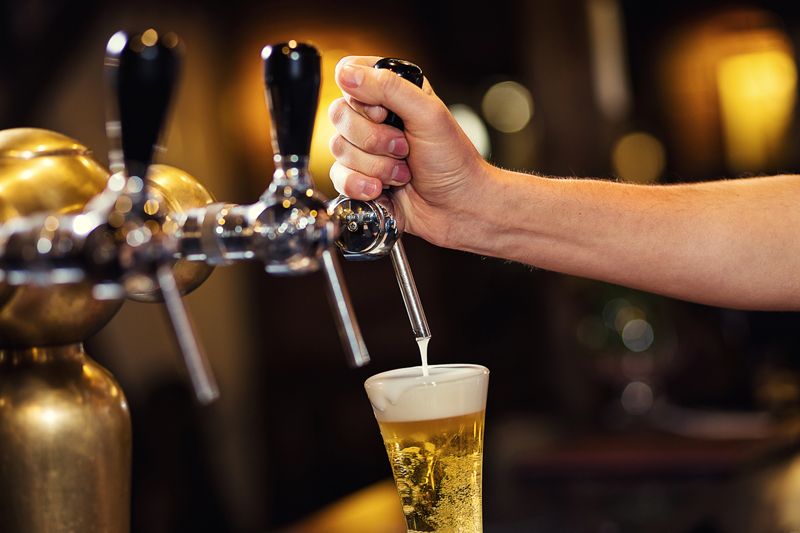
A growing share of adults in the UK are using or considering GLP-1 weight-loss drugs, and new industry research suggests the shift is starting to change how people eat and drink in pubs, bars and restaurants.
A report published Monday by Lumina Intelligence found that 6.1% of UK adults are currently taking GLP-1 medication. It said more than 25% are either current users, former users or are considering taking the drugs. Lumina also projected that more than 10% of UK adults could be using GLP-1 medication by 2031, driven by wider NHS rollout, stronger competition in the market and lower prices.
The findings point to a meaningful change for hospitality businesses, especially operators that depend on food-and-drink spending. If the pattern continues, it could affect beer demand, the mix of drinks offered on menus and overall revenue in pubs and restaurants, while also creating room for growth in smaller food formats and no- and low-alcohol options.
Lumina said businesses should not respond by rewriting entire menus. Instead, it said operators should prepare for GLP-1 consumers in much the same way they adapt to dietary requirements. The report pointed to demand for smaller portions, stronger nutrition positioning and a broader range of non-alcoholic drinks.
The research found that people using GLP-1 drugs tend to eat out less often and consume less when they do go out, but they may still spend on quality, experience and perceived health benefits. Around half of European GLP-1 users reported fewer eating-out occasions, fewer restaurant meals and lower spending on takeout, according to the report. At the same time, 57% said they had increased purchases of smaller portions or small plates instead of main meals.
That shift is already being tracked by suppliers. Bidfood estimated that 2.8m UK adults were taking the medications and said the trend was increasing demand for smaller portions. In its latest food and drink trends report, the wholesaler found that 73% of consumers said they would be more likely to try a new cuisine if it were served as a small plate, and 43% said they wanted to try small-plate or tapas-style dining in the next one to two years.
Lumina said menu development should focus on smaller, better-quality dishes rather than simply promoting low-calorie choices. High-protein meals, fresh ingredients and balanced options were described as more important than calorie-led positioning. The report’s basic message to operators was that lower volume does not necessarily mean lower value, provided venues adapt the offer in the right way.
For pubs, drinks may be the more immediate pressure point. Lumina said GLP-1 users are more likely to drop drinks from food occasions as a way to manage fullness and calorie intake. Current users showed a stronger preference for non-alcoholic drinks in pubs and under-indexed on alcoholic drinks by 6 percentage points.
Beer appeared more exposed than other alcohol categories. Among current GLP-1 users, beer’s share of alcohol occasions fell by 10 percentage points to 42%, while wine and cocktails gained share. For pub operators, that suggests the effects of GLP-1 adoption may not be limited to food menus. Over time, the trend could push venues to rethink bar ranges, reduce reliance on beer-led occasions and expand more premium soft drinks and alcohol-free choices to protect spending.
Lumina said pubs need a strong and appealing non-alcoholic offer that goes beyond traditional carbonated soft drinks if they want to retain spend from GLP-1 consumers. That may include a wider mix of adult soft drinks, alcohol-free beer and wine, and other low-sugar or functional choices that fit changing preferences.
Industry participants also said the impact may spread beyond those taking the drugs themselves. Harriet Dawson, category support specialist at Unity Wines & Spirits, said social groups are adapting their behavior when one member is on GLP-1 medication. She said customers may be more likely to choose an alcohol-free drink or order a smaller food portion when they are socializing with someone using the drugs.
KAM research cited by Bidfood found that 46% of UK consumers knew someone using GLP-1 drugs. Of that group, 71% said they had changed their drinking or socializing habits. The changes included 30% who said they drank less alcohol when with that person, 20% who said they socialized in different ways and 16% who said they were more likely to choose no- or low-alcohol drinks.
Even with the risks to drink sales and dinner occasions, Lumina said GLP-1 consumers still devote a comparatively larger share of their out-of-home visits to pubs, bars and restaurants than the average eating-and-drinking-out customer. The report said that reflected a move away from convenience and routine consumption toward more social and experience-led visits.
Dinner was identified as one of the dayparts most at risk, but the report said GLP-1 users still go out for specific dishes, particular cuisines and favored venues, and also to relax and spend time with others. For pubs, Lumina said that means there is still an opportunity if operators lead with experience, quality, protein and fresh ingredients while also offering smaller formats and stronger low- and no-alcohol choices.
The report also warned businesses to be careful about how they market those changes. It said there is no authorized GLP-1 health claim on the GB Register and that terms such as “GLP-1 friendly” have no legal definition. Its advice to operators was to describe the dish rather than the drug and to use compliant nutrition claims, such as high protein or source of fiber, where those claims are appropriate.